Physical AI Black Ships Hit Japan Humanoids
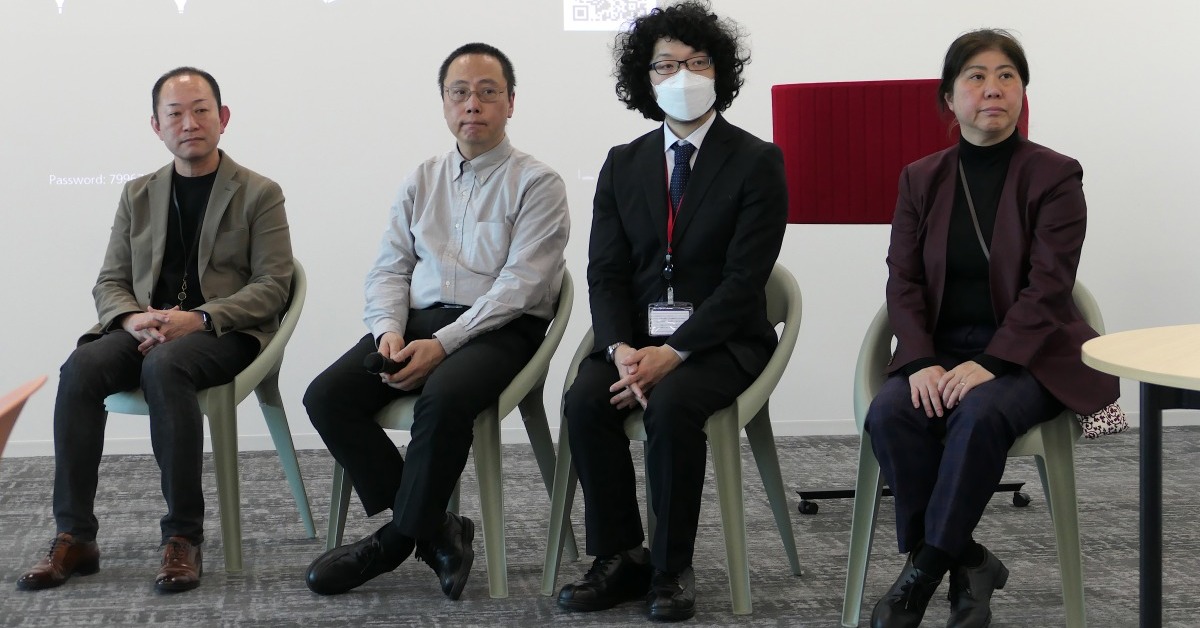
💡Japan's robotics giants unite on Physical AI—vital for embodied AI builders
⚡ 30-Second TL;DR
What Changed
Arty leads collaboration with AIST, Kawada Technologies, Kawasaki Heavy Industries
Why It Matters
Aligns Japanese industry on Physical AI, potentially accelerating humanoid development and global competitiveness.
What To Do Next
Review AIST publications on Physical AI for humanoid control advancements.
Key Points
- •Arty leads collaboration with AIST, Kawada Technologies, Kawasaki Heavy Industries
- •Study group clarifies Physical AI term and tech maturity confusion
- •Focuses on Physical AI as key for humanoid robot real-world deployment
🧠 Deep Insight
Background and context from public sources — not the original article. 6 sources cited.
🔑 Enhanced Key Takeaways
- •Fanuc and Yaskawa are pioneering Physical AI in Japanese robotics by integrating generative AI for self-generating motion paths via digital twin simulations, addressing labor shortages and high-mix low-volume manufacturing[1].
- •Physical AI market reached $5 billion in 2025, projected to grow to $68-84 billion by 2034-35, driven by aging populations, urbanization, and shifts in work preferences[5].
- •Physical AI embodies a closed-loop system of sensor data processing, AI reasoning for intent generation, and real-time control execution, distinguishing it from generative AI's digital outputs[3].
🔮 Future ImplicationsAI analysis grounded in cited sources
📎 Sources (6)
Factual claims are grounded in the sources below. Forward-looking analysis is AI-generated interpretation.
- nichiboku.com — The Rise of Physical AI Why Japanese Robotics Is Shifting From Precision to Intelligence in 2026
- strategyand.pwc.com — Physical AI
- newsroom.arm.com — What Is Physical AI
- usaii.org — Humanoid Robots the Next Physical AI Revolution
- techinformed.com — What Is Physical AI and Will It Live Up to the Hype
- resources.nvidia.com — Generative Physical AI
Weekly AI Recap
Read this week's curated digest of top AI events →
👉Related Updates

AI-curated news aggregator. All content rights belong to original publishers.
Original source: ITmedia AI+ (日本) ↗
This is a summary, not the original. Read the source, or get the weekly briefing.
Weekly AI briefing
One email a week. Unsubscribe anytime.