Pharma Firm Caught Faking Expert Signatures for Procurement
💡A cautionary tale on regulatory compliance and the risks of using 'expert influence' to manipulate public policy.
⚡ 30-Second TL;DR
What Changed
80% of signatures on the expert recommendation letter were found to be forged.
Why It Matters
This incident highlights the tightening regulatory environment for pharmaceutical market access and the increasing scrutiny of 'expert influence' in public policy decisions.
What To Do Next
Implement robust verification workflows for any data or documentation submitted to regulatory bodies to ensure compliance and integrity.
Key Points
- •80% of signatures on the expert recommendation letter were found to be forged.
- •The company aimed to exclude its product from the national centralized procurement list to maintain high prices.
- •The National Healthcare Security Administration is using this case to clarify the boundaries of policy advocacy.
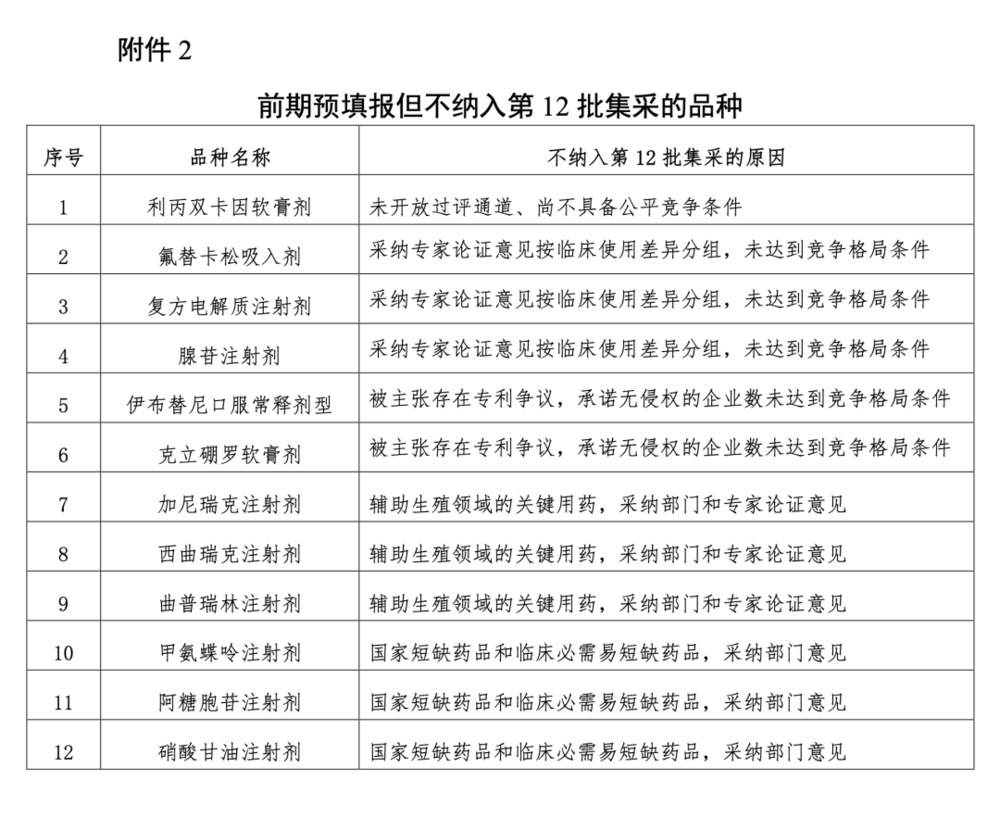
- •The drug has now been officially included in the 12th procurement batch.
🧠 Deep Insight
AI-generated analysis for this event — not the original article.
🔑 Enhanced Key Takeaways
- •The pharmaceutical company involved has been identified as a mid-sized domestic manufacturer specializing in cardiovascular medications, which had previously maintained high profit margins through regional distribution channels.
- •The National Healthcare Security Administration (NHSA) utilized a new AI-driven document verification system, specifically designed to cross-reference expert signatures against public academic databases, to detect the forgeries.
- •Beyond the forgery, the company was found to have engaged in 'astroturfing' by coordinating with third-party consulting firms to generate fake social media sentiment reports claiming the drug was 'essential' and 'irreplaceable' to pressure regulators.
- •The NHSA has implemented a new 'Credit Integrity Score' for pharmaceutical firms, and this incident has resulted in the company being downgraded to the lowest tier, effectively barring them from participating in government tenders for the next 24 months.
- •Industry analysts suggest this case marks a shift in regulatory strategy where the NHSA is moving from passive auditing to proactive, technology-enabled forensic investigations of all procurement-related documentation.
🔮 Future ImplicationsAI analysis grounded in cited sources
⏳ Timeline
Weekly AI Recap
Read this week's curated digest of top AI events →
👉Related Updates


AI-curated news aggregator. All content rights belong to original publishers.
Original source: 虎嗅 ↗
This is a summary, not the original. Read the source, or get the weekly briefing.
The weekly digest
One email a week. Unsubscribe anytime.