Pentagon Requests $54B for AI Drone Warfare
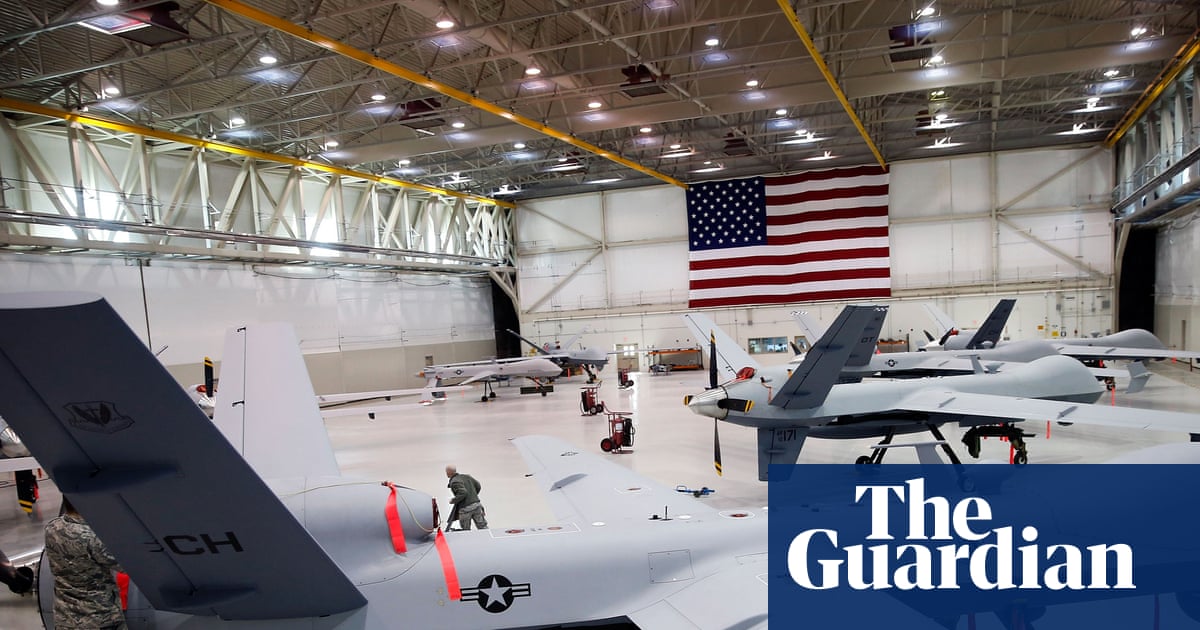
💡Pentagon's $54B AI warfare budget: 24k% drone funding surge signals defense AI boom
⚡ 30-Second TL;DR
What Changed
2027 budget allocates $54bn to Defense Autonomous Warfare Group
Why It Matters
This funding boost could spur massive AI defense contracts and innovation in autonomous systems. It raises ethical debates on AI weapons while opening opportunities for AI firms in military tech. Practitioners may see new R&D funding streams.
What To Do Next
Download Pentagon's 2027 budget docs to identify AI drone RFPs for bidding.
Key Points
- •2027 budget allocates $54bn to Defense Autonomous Warfare Group
- •Funding surges 24,000% over previous year
- •Signals pivot to AI-powered autonomous drone warfare
- •Experts warn of military risks and unreadiness
🧠 Deep Insight
AI-generated analysis for this event — not the original article.
🔑 Enhanced Key Takeaways
- •The Defense Autonomous Warfare Group (DAWG) was formally established in late 2025 as a centralized command to integrate 'Replicator' initiative learnings into large-scale, multi-domain autonomous operations.
- •The budget surge is specifically tied to the 'Project Overmatch' integration, aiming to link autonomous drone swarms with existing naval and air combat management systems via low-latency satellite mesh networks.
- •Congressional oversight committees have expressed concerns regarding the lack of a 'human-in-the-loop' fail-safe mandate, leading to a proposed amendment that would require manual authorization for lethal engagement in non-combat zones.
🛠️ Technical Deep Dive
- •Architecture: Utilizes a decentralized 'Swarm Intelligence' framework based on distributed edge computing, allowing drones to maintain mission objectives even when disconnected from central command.
- •Communication: Employs AI-driven frequency hopping and cognitive radio protocols to mitigate electronic warfare jamming attempts.
- •Targeting: Integrates multi-modal sensor fusion (EO/IR, SAR, and acoustic) processed by onboard neuromorphic chips to reduce power consumption and latency during target identification.
🔮 Future ImplicationsAI analysis grounded in cited sources
⏳ Timeline
Weekly AI Recap
Read this week's curated digest of top AI events →
👉Related Updates

AI-curated news aggregator. All content rights belong to original publishers.
Original source: The Guardian Technology ↗
This is a summary, not the original. Read the source, or get the weekly briefing.
The weekly digest
One email a week. Unsubscribe anytime.