Penguin Sues OpenAI Over Book Mimicry
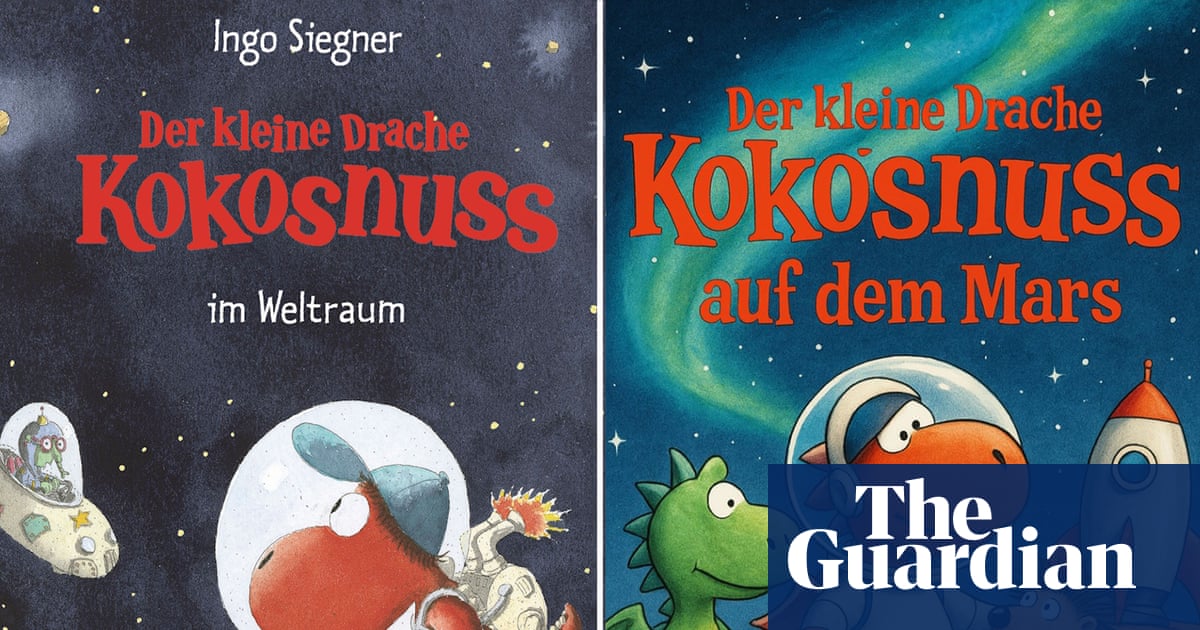
💡Key lawsuit on LLM copyright infringement via prompted mimicry—must-read for AI ethics.
⚡ 30-Second TL;DR
What Changed
Lawsuit filed Friday in Munich court against OpenAI Ireland.
Why It Matters
Intensifies legal scrutiny on LLMs' ability to generate derivative content, potentially affecting training data practices and output safeguards for AI companies.
What To Do Next
Audit LLM outputs for copyright similarity using tools like Originality.ai before production deployment.
Key Points
- •Lawsuit filed Friday in Munich court against OpenAI Ireland.
- •Allegation: ChatGPT mimicked Penguin's Coconut the Little Dragon series.
- •Prompted to write stories 'in the vein' of Ingo Siegner’s books.
- •Publisher: Penguin Random House, author/illustrator: Ingo Siegner.
🧠 Deep Insight
AI-generated analysis for this event — not the original article.
🔑 Enhanced Key Takeaways
- •The Munich Regional Court lawsuit marks a strategic shift for publishers, targeting OpenAI's European operations to leverage the EU AI Act's transparency and copyright requirements.
- •Ingo Siegner’s estate and Penguin Random House are specifically seeking an injunction to prevent OpenAI from using the 'Coconut the Little Dragon' training data for future model iterations.
- •Legal experts suggest this case tests the 'style mimicry' threshold, as previous copyright lawsuits against AI companies primarily focused on verbatim reproduction of text rather than stylistic imitation.
🔮 Future ImplicationsAI analysis grounded in cited sources
⏳ Timeline
Weekly AI Recap
Read this week's curated digest of top AI events →
👉Related Updates

AI-curated news aggregator. All content rights belong to original publishers.
Original source: The Guardian Technology ↗
This is a summary, not the original. Read the source, or get the weekly briefing.
The weekly digest
One email a week. Unsubscribe anytime.