PCOS Renamed to PMOS to Reflect Metabolic Reality
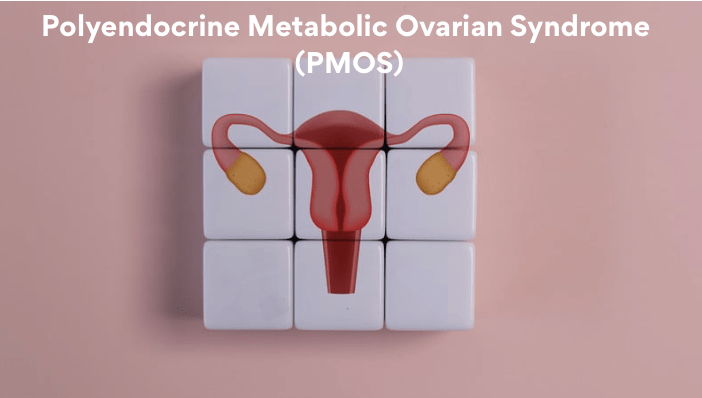
💡Learn how medical nomenclature is evolving to improve diagnostic accuracy and reduce patient stigma.
⚡ 30-Second TL;DR
What Changed
PCOS is renamed to PMOS to emphasize its systemic endocrine and metabolic nature.
Why It Matters
This renaming sets a precedent for how medical terminology can be updated to improve patient outcomes and research funding through better disease classification.
What To Do Next
Update your medical knowledge base or diagnostic AI models to map 'PCOS' to the new 'PMOS' terminology for future-proofing.
Key Points
- •PCOS is renamed to PMOS to emphasize its systemic endocrine and metabolic nature.
- •The old name caused confusion with ovarian cysts and led to diagnostic bias.
- •Over 14,000 patients participated in the renaming process to ensure inclusive terminology.
- •The new name will be officially integrated into international medical guidelines by 2028.
🧠 Deep Insight
Web-grounded analysis with 12 cited sources.
🔑 Enhanced Key Takeaways
- •The renaming of PCOS to PMOS is the culmination of a 14-year global effort, spearheaded by Monash University, involving 56 leading academic, clinical, and patient organizations.
- •PMOS affects approximately 1 in 8 women, or over 170 million people worldwide, making it the most prevalent hormonal disorder in women of reproductive age.
- •The previous name, Polycystic Ovary Syndrome, contributed to diagnostic delays for up to 70% of affected individuals and resulted in fragmented care due to its misleading focus on ovarian cysts.
- •The new terminology is expected to foster earlier and more accurate diagnoses, facilitate more holistic and patient-centered care, and potentially unlock additional research funding for the condition.
- •PMOS is characterized by hormonal fluctuations impacting weight, metabolic and mental health, skin, and the reproductive system, and is linked to increased risks of type 2 diabetes and cardiovascular disease.
🛠️ Technical Deep Dive
- PMOS is diagnosed when at least two of three criteria are met: irregular menstrual periods, symptoms or biochemical evidence of high testosterone (hyperandrogenism), or an excess of antral ovarian follicles on ultrasound, which can be substituted by elevated anti-Müllerian hormone concentrations.
- A key pathophysiological feature is insulin resistance, which prompts the pancreas to produce excess insulin, subsequently reducing liver production of sex hormone-binding globulin (SHBG) and increasing free circulating androgens.
- Low-grade inflammation is also implicated, exacerbating insulin resistance and creating a cyclical relationship between metabolic and reproductive disturbances.
- The condition is recognized as a complex, multisystem disorder affecting endocrine, metabolic, reproductive, dermatological, and psychological health.
- Individuals with PMOS face elevated risks of cardiovascular and liver dysfunction, including type 2 diabetes, coronary and aortic calcification, and endometrial cancer.
🔮 Future ImplicationsAI analysis grounded in cited sources
⏳ Timeline
📎 Sources (12)
Factual claims are grounded in the sources below. Forward-looking analysis is AI-generated interpretation.
Weekly AI Recap
Read this week's curated digest of top AI events →
👉Related Updates


AI-curated news aggregator. All content rights belong to original publishers.
Original source: 虎嗅 ↗