Overcoming Workplace Enemy Images for Better Collaboration
💡Learn how cognitive biases and toxic management systems can destroy team innovation, a lesson from Microsoft's history.
⚡ 30-Second TL;DR
What Changed
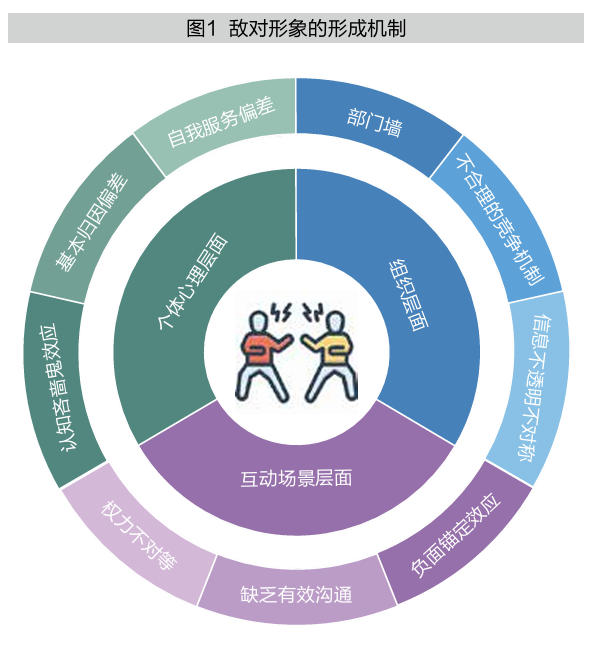
Enemy images stem from cognitive shortcuts and fundamental attribution errors.
Why It Matters
For AI-driven organizations, fostering psychological safety is critical to prevent the 'silent culture' that prevents engineers from sharing insights. Reducing internal friction is essential for maintaining the velocity required in high-stakes AI development.
What To Do Next
Implement regular cross-functional retrospectives to clarify intent and prevent the negative attribution bias that leads to team silos.
Key Points
- •Enemy images stem from cognitive shortcuts and fundamental attribution errors.
- •Organizational silos and competitive internal ranking systems exacerbate interpersonal distrust.
- •The 'silent culture' caused by these barriers stifles innovation and long-term competitiveness.
- •Shifting from 'jackal language' to 'giraffe language' helps resolve conflicts and foster growth.
🧠 Deep Insight
Background and context from public sources — not the original article. 18 sources cited.
🔑 Enhanced Key Takeaways
- •The 'Enemy Image' cognitive trap is deeply rooted in the fundamental attribution error (FAE), a psychological bias where individuals overemphasize internal, personal characteristics (e.g., 'lazy') and downplay external, situational influences (e.g., 'unclear instructions') when judging others' negative behaviors, while often doing the opposite for their own actions.
- •Internal competition within organizations, especially when poorly managed, actively hinders innovation by reducing information exchange and fostering a 'culture of backstabbing' and resource hoarding, rather than promoting productivity.
- •The 'silent culture' that stifles innovation is directly counteracted by 'psychological safety,' identified by Google's Project Aristotle as the single most critical factor for high-performing teams, leading to significantly higher productivity, innovation, and lower turnover rates.
- •The 'giraffe language' approach, referring to Nonviolent Communication (NVC), provides a structured framework focusing on four components: concrete observations, identifying feelings, expressing universal human needs, and making clear requests, which helps individuals take responsibility for their emotions by linking them to unmet needs rather than blaming others.
🔮 Future ImplicationsAI analysis grounded in cited sources
⏳ Timeline
📎 Sources (18)
Factual claims are grounded in the sources below. Forward-looking analysis is AI-generated interpretation.
Weekly AI Recap
Read this week's curated digest of top AI events →
👉Related Updates



AI-curated news aggregator. All content rights belong to original publishers.
Original source: 虎嗅 ↗
This is a summary, not the original. Read the source, or get the weekly briefing.
The weekly digest
One email a week. Unsubscribe anytime.