Over-engineering a clock with a deployment pipeline
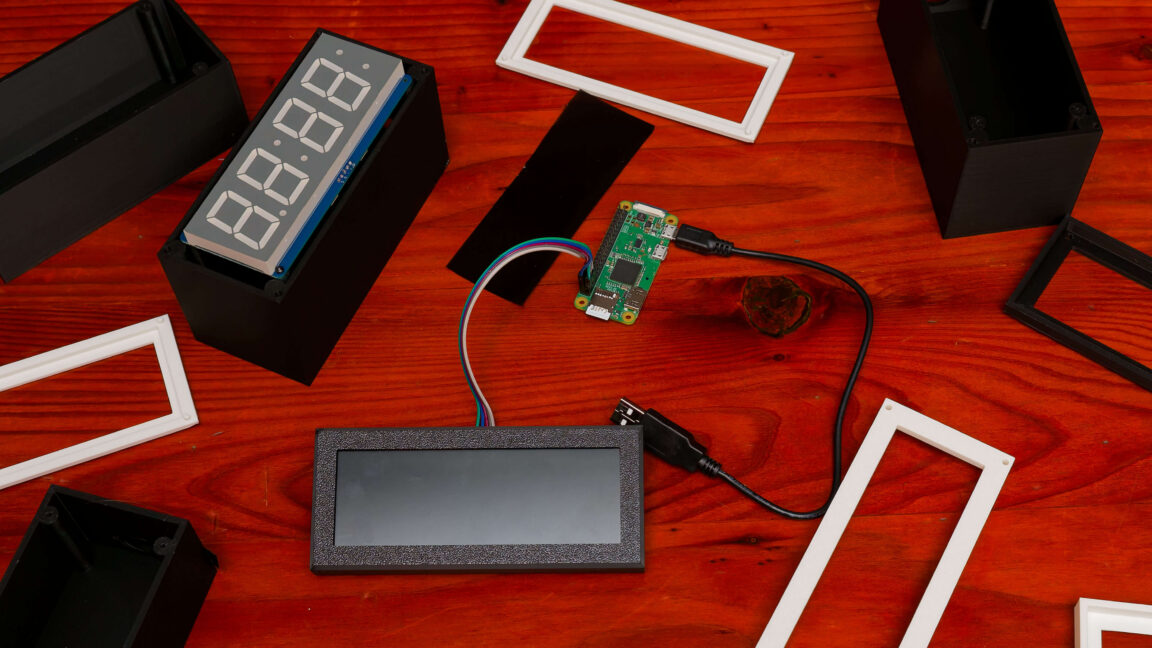
💡A humorous look at applying enterprise-grade deployment pipelines to simple hardware projects.
⚡ 30-Second TL;DR
What Changed
Implementation of a CI/CD pipeline for a simple clock
Why It Matters
While not directly AI-focused, it serves as a case study in over-engineering and the application of DevOps tools to IoT devices.
What To Do Next
Review your current CI/CD pipeline to see if you can automate testing for your edge AI model deployments.
Key Points
- •Implementation of a CI/CD pipeline for a simple clock
- •Exploration of extreme automation in consumer hardware
- •Demonstrates the complexity of modern DevOps workflows
🧠 Deep Insight
AI-generated analysis for this event — not the original article.
🔑 Enhanced Key Takeaways
- •The project utilizes a Raspberry Pi Zero W as the core controller, bridging the gap between low-power embedded hardware and enterprise-grade cloud infrastructure.
- •The CI/CD pipeline is built using GitHub Actions, which triggers a deployment script to update the clock's firmware via an SSH connection whenever code is pushed to the repository.
- •The developer implemented a 'test-driven development' (TDD) approach for the clock's time-syncing logic, requiring unit tests to pass before the deployment pipeline proceeds to the hardware.
- •The project includes a monitoring dashboard using Prometheus and Grafana to track the clock's drift and system health, mocking enterprise observability standards.
- •The hardware assembly incorporates a custom PCB design that allows for modular component replacement, mirroring the 'microservices' architecture pattern in a physical form.
🛠️ Technical Deep Dive
- Controller: Raspberry Pi Zero W running a stripped-down Linux distribution.
- CI/CD Orchestration: GitHub Actions workflows utilizing self-hosted runners.
- Deployment Protocol: Ansible playbooks executed over SSH for configuration management and firmware updates.
- Observability Stack: Prometheus node_exporter for hardware metrics and Grafana for visualization.
- Time Synchronization: NTP (Network Time Protocol) client with custom logic to handle clock drift compensation.
🔮 Future ImplicationsAI analysis grounded in cited sources
⏳ Timeline
Weekly AI Recap
Read this week's curated digest of top AI events →
👉Related Updates
AI-curated news aggregator. All content rights belong to original publishers.
Original source: Ars Technica ↗
This is a summary, not the original. Read the source, or get the weekly briefing.
The weekly digest
One email a week. Unsubscribe anytime.