Oura Ring 5 review: Smaller size, longer battery life
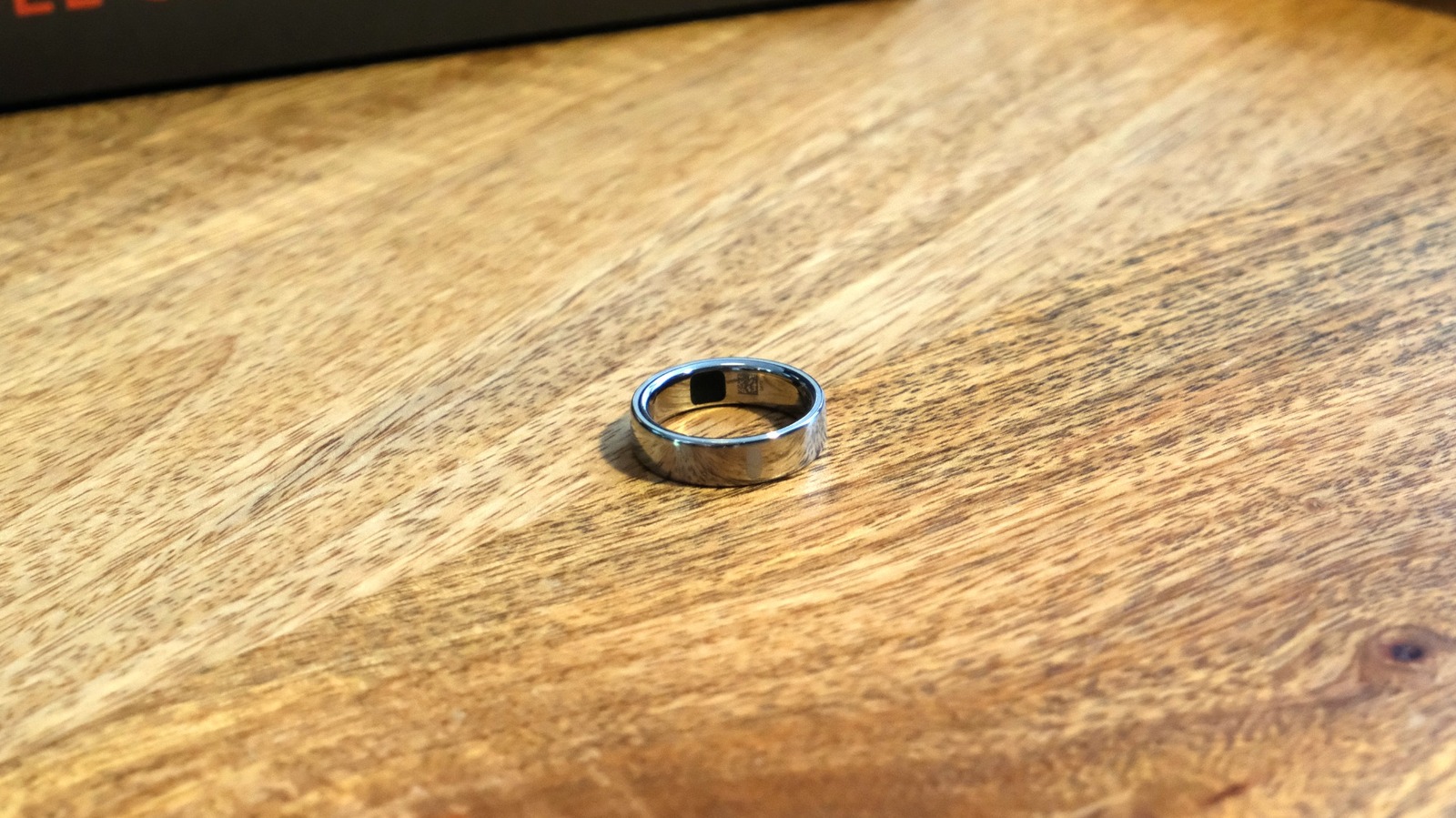
💡Hardware miniaturization in wearables is key to gathering the high-quality longitudinal data needed for predictive AI.
⚡ 30-Second TL;DR
What Changed
40% reduction in physical size compared to previous models
Why It Matters
The miniaturization of wearable sensors allows for more discreet health data collection, which is critical for training personalized AI wellness models.
What To Do Next
If you are building health-tech AI, analyze the Oura API data export formats to see if the new hardware provides higher-fidelity biometric signals.
Key Points
- •40% reduction in physical size compared to previous models
- •Enhanced battery life for longer continuous monitoring
- •Maintains class-leading health tracking features
🧠 Deep Insight
AI-generated analysis for this event — not the original article.
🔑 Enhanced Key Takeaways
- •The Oura Ring 5 introduces a new 'Bio-Sensor Fusion' array that utilizes multi-wavelength PPG sensors to improve heart rate variability (HRV) accuracy during high-intensity movement.
- •Oura has transitioned to a new proprietary 'Titanium-Composite' chassis, which accounts for the 40% volume reduction while maintaining structural integrity and water resistance up to 100 meters.
- •The device integrates a new low-power AI processor that performs on-device sleep stage analysis, reducing the need for cloud-based data processing and extending battery life to a claimed 10 days.
- •Oura has updated its subscription model alongside the Gen 5 launch, introducing 'Oura Labs' features that allow users to opt-in to experimental metabolic health tracking metrics.
- •The Gen 5 ring features a redesigned internal antenna architecture that improves Bluetooth Low Energy (BLE) connectivity stability and reduces sync times with the Oura app.
📊 Competitor Analysis▸ Show
| Feature | Oura Ring 5 | Samsung Galaxy Ring 2 | Ultrahuman Ring Air |
|---|---|---|---|
| Battery Life | Up to 10 Days | Up to 9 Days | Up to 6 Days |
| Subscription | Required ($5.99/mo) | None | None |
| Key Sensor | Bio-Sensor Fusion | BioActive Sensor | Movement/HRV/Temp |
| Pricing | Starting at $349 | Starting at $399 | Starting at $279 |
🛠️ Technical Deep Dive
- Sensor Array: Multi-wavelength PPG (Green, Red, Infrared) for continuous SpO2 and HRV monitoring.
- Processor: Custom low-power ARM-based SoC optimized for on-device machine learning inference.
- Connectivity: Bluetooth 5.3 with improved power management protocols.
- Materials: Aerospace-grade titanium composite with hypoallergenic inner molding.
- Charging: Inductive charging cradle with fast-charge capability (0-80% in 45 minutes).
🔮 Future ImplicationsAI analysis grounded in cited sources
⏳ Timeline
Weekly AI Recap
Read this week's curated digest of top AI events →
👉Related Updates
AI-curated news aggregator. All content rights belong to original publishers.
Original source: Engadget ↗
This is a summary, not the original. Read the source, or get the weekly briefing.
Weekly AI briefing
One email a week. Unsubscribe anytime.