OpenClaw Sparks AI Agent Inflection Point
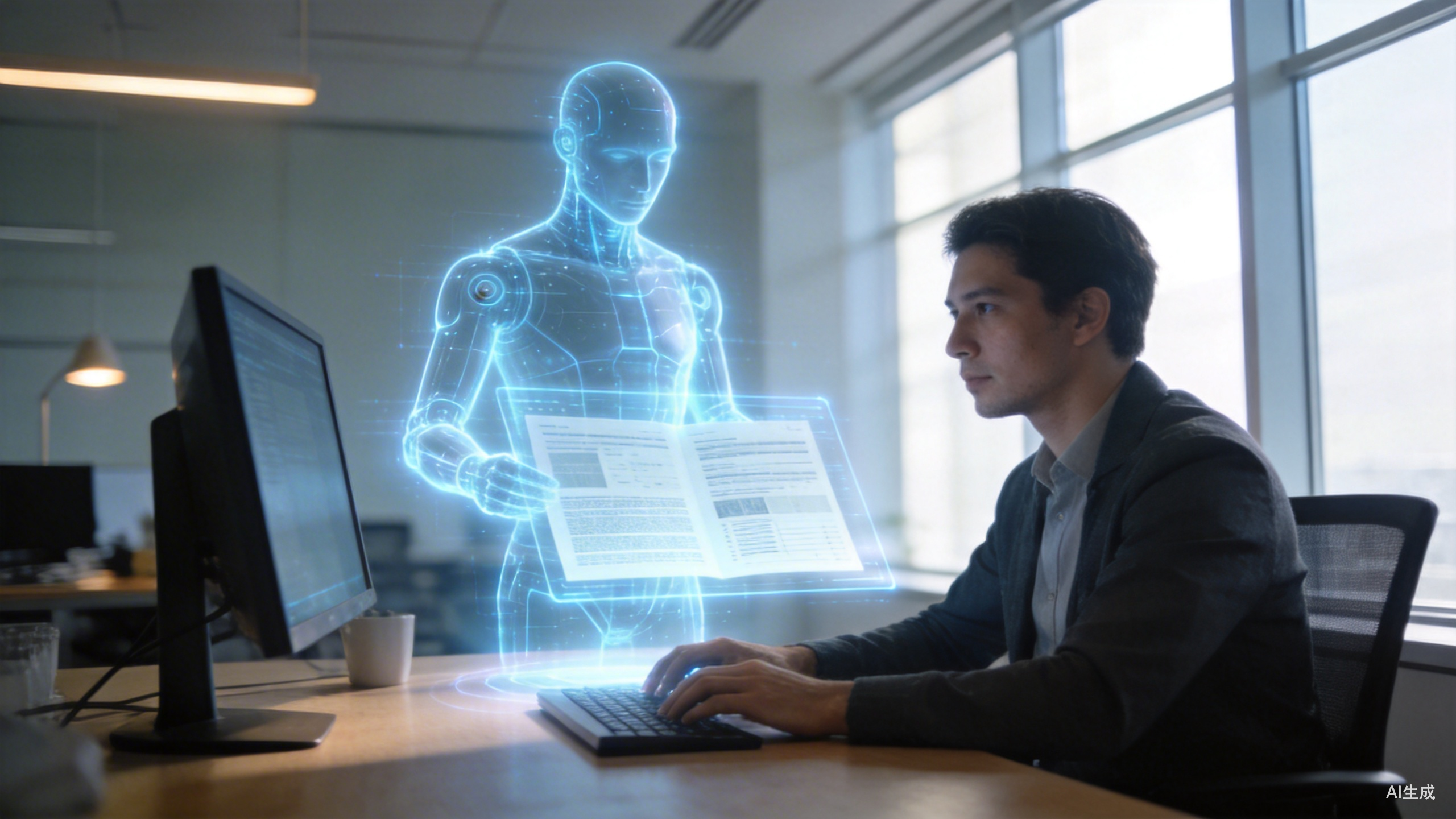
💡OpenClaw powers revenue-generating AI teams—deploy now before mass adoption
⚡ 30-Second TL;DR
What Changed
OpenClaw deploys 7 specialized AI agents (butler, PM, engineer, etc.) for end-to-end business operations.
Why It Matters
Agents evolve from niche tools to universal employees, accelerating adoption via low barriers and 24/7 operation. Big tech and gov involvement predicts rapid mainstreaming, reshaping labor markets.
What To Do Next
Install OpenClaw on Mac mini and define SOUL.md to prototype your first AI agent team.
Key Points
- •OpenClaw deploys 7 specialized AI agents (butler, PM, engineer, etc.) for end-to-end business operations.
- •Core features include SOUL.md for personality, Heartbeat for proactive tasks, persistent Memory.
- •Integrates with chat apps like Feishu/QQ; backed by Tencent, ByteDance launches and gov subsidies.
🧠 Deep Insight
Background and context from public sources — not the original article. 5 sources cited.
🔑 Enhanced Key Takeaways
- •OpenClaw reached near cult-like adoption status in China by early 2026, with Chinese cloud providers (Tencent, Alibaba, Moonshot, MiniMax) offering customized versions and driving valuations like MiniMax to $44 billion despite only $79 million in 2025 revenue[3].
- •Chinese authorities launched a major security-focused crackdown in early 2026, banning OpenClaw installations on state-run enterprise and government systems, particularly state banks, citing control and security concerns[3].
- •The agentic AI ecosystem is progressing through a maturity curve from experimentation (hobbyist use) toward operationalization, with February 2026 releases (versions 2.23 and 2.26) introducing HSTS headers, SSRF policy changes, external secrets management, and cron reliability to support production deployments[1].
- •Prompt injection attacks represent a critical security vulnerability for autonomous agents like OpenClaw; malicious input can manipulate agents to redirect funds or steal sensitive data, making security standards essential for agentic commerce adoption[5].
🛠️ Technical Deep Dive
- Architecture: Locally-running autonomous agent that connects language models with system-level task execution; interprets instructions via LLM and executes actions through system commands, API integrations, and automation workflows[2]
- Skill Ecosystem: Plugin-based extensibility allowing integration with external tools (cloud storage, development workflows, productivity apps); skills expand agent capabilities beyond base functionality[2]
- Messaging Integration: Operates through chat interfaces (WhatsApp, Telegram, Discord, Slack, Signal, iMessage, Teams, Feishu, QQ); users send instructions via chat and agent executes tasks[2][4]
- Privilege Model: Runs with potentially high system privileges on host machine, requiring access to files, credentials, API keys, and decision-making authority (e.g., spending money) to perform tasks effectively[2][5]
- Memory & Persistence: Multi-lingual memory embeddings (as of version 2.26) enable persistent memory across agent instances and external agents (Codex, Cursor, Manus)[1]
- Multi-Agent Coordination: Supports thread-bound agents and multi-agent collaboration; RAG pipelines blend internal knowledge with external data for enhanced task execution[1]
- Deployment Options: Self-hosted on-premises, cloud-based virtual machines, or hybrid deployments with GPU fractioning and autoscaling capabilities[1]
🔮 Future ImplicationsAI analysis grounded in cited sources
⏳ Timeline
📎 Sources (5)
Factual claims are grounded in the sources below. Forward-looking analysis is AI-generated interpretation.
- clarifai.com — What Is Openclaw
- sangfor.com — Openclaw AI Agent 2026 Explained
- Tom's Hardware — Openclaw AI Agent Craze Sweeps China As Authorities Seek to Clamp Down Amid Security Fears Adoption Surges As State Run Enterprises Are Barred From Use
- openclaw.ai
- mastercard.com — Openclaw AI Security Standards
Weekly AI Recap
Read this week's curated digest of top AI events →
👉Related Updates

AI-curated news aggregator. All content rights belong to original publishers.
Original source: 虎嗅 ↗
This is a summary, not the original. Read the source, or get the weekly briefing.
Weekly AI briefing
One email a week. Unsubscribe anytime.