OpenClaw Hype Lifts MiniMax to 3000B RMB Then Crashes on Risks
💡Agent hype minted billionaire, security flaws tanked stocks—essential agent safety lessons.
⚡ 30-Second TL;DR
What Changed
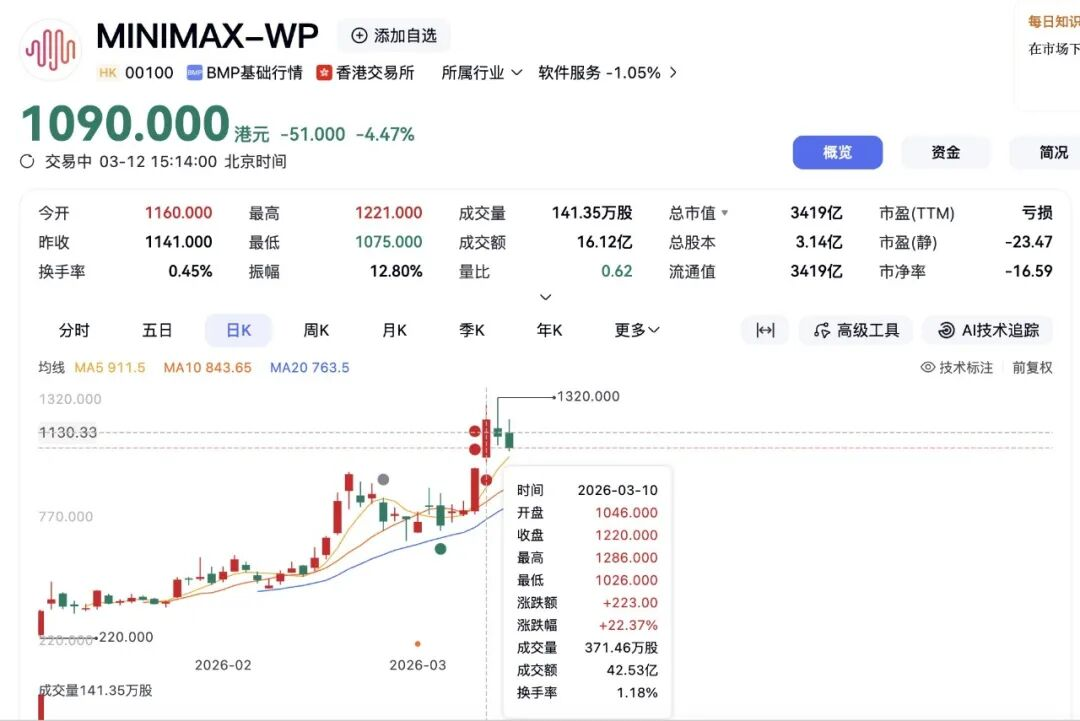
MiniMax from 165 HKD IPO to 1286 HKD high, founder Yan Junjie hits 956B HKD net worth
Why It Matters
Validates AI agents' market hype potential for startups like MiniMax while exposing deployment risks, urging enterprises to secure high-privilege tools. Boosts China AI visibility amid policy responses.
What To Do Next
Sandbox OpenClaw deployments and vet all plugins before enterprise use.
Key Points
- •MiniMax from 165 HKD IPO to 1286 HKD high, founder Yan Junjie hits 956B HKD net worth
- •OpenClaw risks: deletes D: drive, exposes nets to ransomware, steals keys via web/skills
- •CNCERT alert on loose config, malicious plugins, exploits endangering data/code
- •Daily run costs 30-80 RMB personal, 1000+ enterprise; not consumer-friendly
- •Dragon bros (MiniMax, Zhipu, Xunze) stocks surged then dropped 10-15%
🧠 Deep Insight
Background and context from public sources — not the original article. 6 sources cited.
🔑 Enhanced Key Takeaways
- •OpenClaw, created by Austrian developer Peter Steinberger, represents a paradigm shift from question-answering chatbots (ChatGPT, DeepSeek) to autonomous task-execution agents capable of managing calendars, sending emails, and conducting research—fundamentally changing how AI is commercialized in China[5].
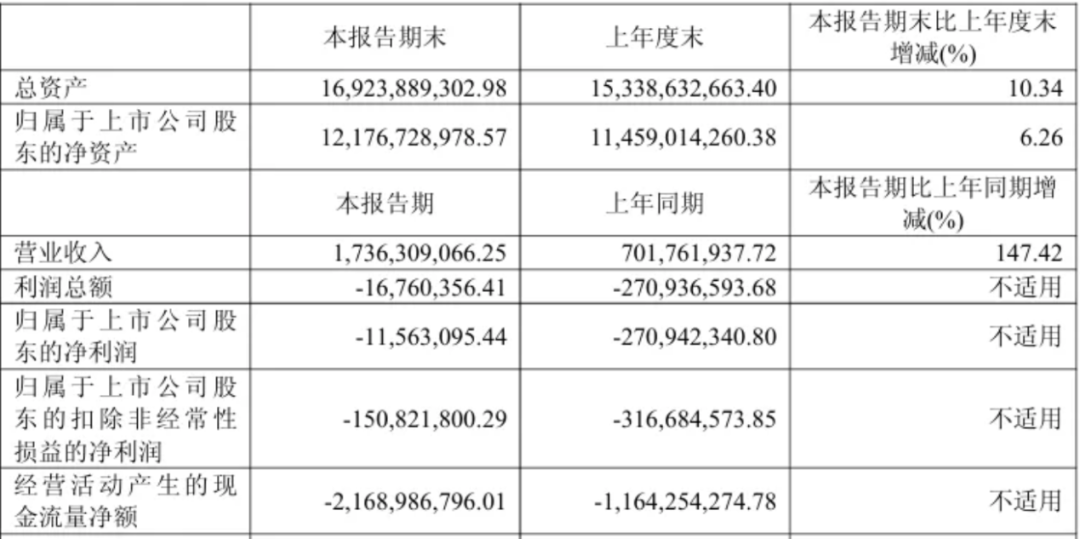
- •MiniMax's 2025 financial performance demonstrates aggressive commercialization: gross margins doubled from 12% to above 25%, with both AI-native products and open platform businesses achieving triple-digit growth, signaling profitability trajectory despite current net losses[2].
- •The OpenClaw ecosystem has catalyzed a broader tech industry pivot, with major players including Tencent (Workbuddy), ByteDance (ArkClaw), Alibaba (CoPaw), and Zhipu AI (AutoClaw) rapidly deploying compatible solutions, creating network effects that extend beyond MiniMax's direct control[5].
- •Regulatory and security headwinds emerged post-peak: CNCERT warnings regarding loose configurations, malicious plugins, and autonomous execution vulnerabilities triggered investor caution and profit-taking, cooling the initial speculative fervor despite MiniMax's strong fundamentals[2].
📊 Competitor Analysis▸ Show
| Company | Product | Key Capability | Market Position | Stock Performance |
|---|---|---|---|---|
| MiniMax | MaxClaw/Kimi Claw | OpenClaw-native foundation model (K2.5 top-ranked on OpenRouter) | Market cap 382.6B HKD (surpassed Baidu) | +22% peak, then pullback |
| Tencent | Workbuddy | OpenClaw-compatible with Chinese office/communication tools | Integrated into existing ecosystem | +7.3% on launch |
| ByteDance | ArkClaw | Cloud-based OpenClaw (no installation required) | Leverages TikTok/Douyin user base | Mentioned but no stock data |
| Alibaba | CoPaw | OpenClaw agent for DingTalk/Feishu | Enterprise-focused integration | Mentioned but no stock data |
| Zhipu AI | AutoClaw | One-click OpenClaw installation | Smaller player, part of "Dragon bros" cohort | Surged then dropped 10-15% |
| Baidu | (No direct OpenClaw product mentioned) | Traditional large model approach | Market cap 332.2B HKD (surpassed by MiniMax) | Stagnant growth (5% YoY Q4) |
🛠️ Technical Deep Dive
- OpenClaw Architecture: Open-source AI agent framework created by Peter Steinberger; enables autonomous decision-making and task execution (calendar management, email composition, web research) without requiring user intervention for each step[5]
- MiniMax Foundation Model (K2.5): Holds top position on OpenRouter's OpenClaw model call list, indicating highest adoption/performance among compatible models; powers both MaxClaw (cloud-based) and Kimi Claw (integrated web deployment)[3]
- Deployment Models: MaxClaw offers cloud-based execution without requiring user server infrastructure or API keys; Kimi Claw supports one-click cloud deployment or linking to pre-configured OpenClaw with access to 5000+ community plugins via ClawHub[3]
- Operational Costs: Personal usage estimated at 30-80 RMB daily; enterprise deployment exceeds 1000 RMB daily, creating friction for mass consumer adoption[Article summary]
- Security Surface: Autonomous execution introduces plugin-based vulnerabilities (malicious code injection), file system access risks (D: drive deletion incidents), network exposure to ransomware, and credential theft via web/skill integrations—areas flagged by CNCERT[Article summary]
🔮 Future ImplicationsAI analysis grounded in cited sources
⏳ Timeline
📎 Sources (6)
Factual claims are grounded in the sources below. Forward-looking analysis is AI-generated interpretation.
Weekly AI Recap
Read this week's curated digest of top AI events →
👉Related Updates
AI-curated news aggregator. All content rights belong to original publishers.
Original source: 虎嗅 ↗
This is a summary, not the original. Read the source, or get the weekly briefing.
Weekly AI briefing
One email a week. Unsubscribe anytime.