OpenClaw: AI Marvel or Cyber Nightmare?
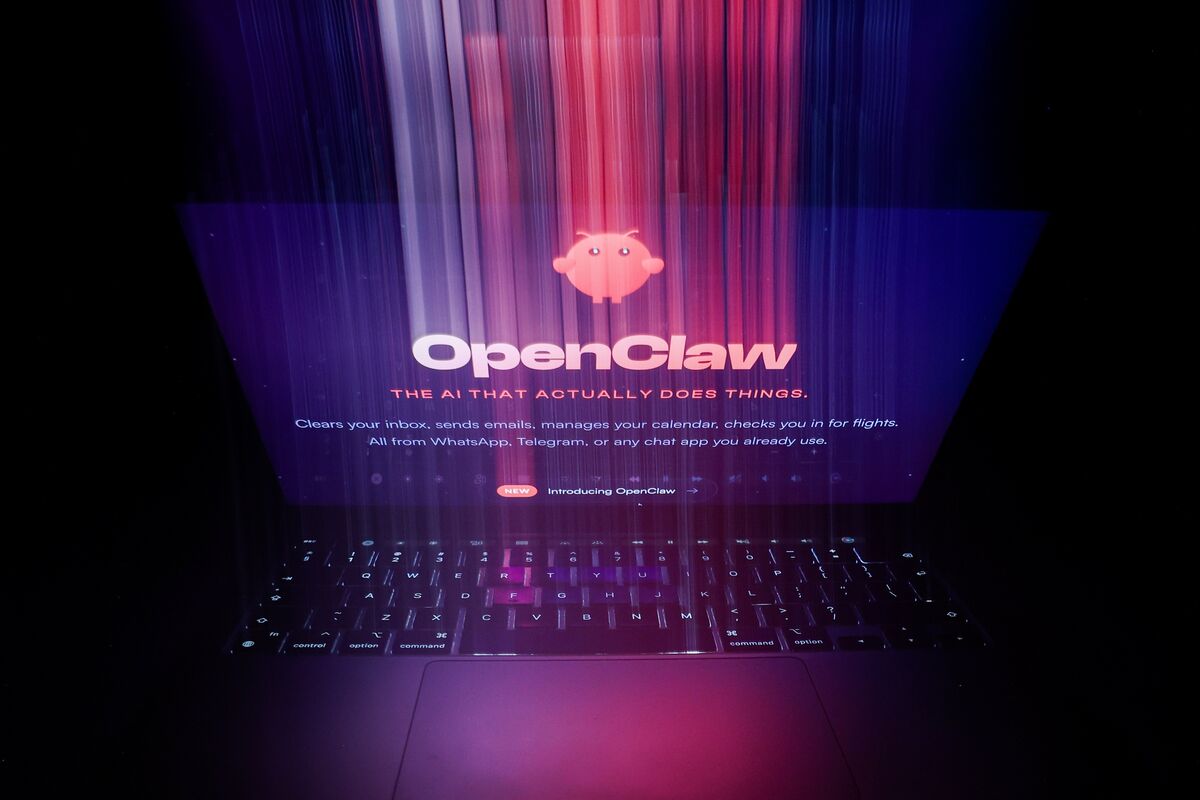
💡Agentic AI controls your PC for real tasks—explore power vs security risks now.
⚡ 30-Second TL;DR
What Changed
Launched November by Peter Steinberger
Why It Matters
Signals rising demand for agentic AI in productivity tools but spotlights urgent cybersecurity needs for desktop-controlling agents. Could spur development of secure alternatives and regulatory focus on AI autonomy.
What To Do Next
Download OpenClaw from GitHub and test its vendor emailing automation on a sandboxed machine.
Key Points
- •Launched November by Peter Steinberger
- •Automates travel bookings, email handling, product surveys
- •Emails vendors and drafts replies autonomously
- •Rapid user adoption despite cyber risks
🧠 Deep Insight
Background and context from public sources — not the original article. 5 sources cited.
🔑 Enhanced Key Takeaways
- •Peter Steinberger joined OpenAI in February 2026 to lead development of next-generation personal agents, while OpenClaw transitioned to an open-source foundation model to maintain independence[1][5].
- •OpenClaw achieved record-breaking GitHub adoption with 145,000+ stars by early February 2026 and peaked at 2 million weekly visitors, making it the fastest-growing project in GitHub history[2].
- •The project underwent multiple rebranding cycles—from Clawdbot to Moltbot to OpenClaw—due to legal pressure from Anthropic over naming similarity to Claude[1][2].
- •OpenClaw operates as an autonomous agent running locally on users' machines with 'always-on' capability, managing emails and controlling web browsers through messaging apps like WhatsApp and Telegram, with built-in self-modifying code functionality[2][4].
- •Security experts have flagged significant risks including high error margins, potential for agents to malfunction unpredictably, and susceptibility to malware attacks[2].
🛠️ Technical Deep Dive
- •OpenClaw is an open-source AI agent framework designed to run autonomously on local machines without requiring continuous user prompts[2]
- •The agent has self-awareness capabilities: it understands its own system configuration, knows which documentation applies, identifies which model it runs, and can toggle voice or reasoning modes[3]
- •Self-modifying code architecture allows users to prompt the agent to modify itself directly, enabling rapid iteration without traditional pull requests[4]
- •The framework integrates with messaging platforms (WhatsApp, Telegram) as primary interfaces for task delegation and communication[2]
- •Built-in problem-solving demonstrates emergent behavior—agents solve unprogrammed tasks like transcribing voice messages and proactively checking user well-being[2]
🔮 Future ImplicationsAI analysis grounded in cited sources
⏳ Timeline
📎 Sources (5)
Factual claims are grounded in the sources below. Forward-looking analysis is AI-generated interpretation.
Weekly AI Recap
Read this week's curated digest of top AI events →
👉Related Updates


AI-curated news aggregator. All content rights belong to original publishers.
Original source: Bloomberg Technology ↗
This is a summary, not the original. Read the source, or get the weekly briefing.
Weekly AI briefing
One email a week. Unsubscribe anytime.