OpenAI Tests Persistent ChatGPT Agents
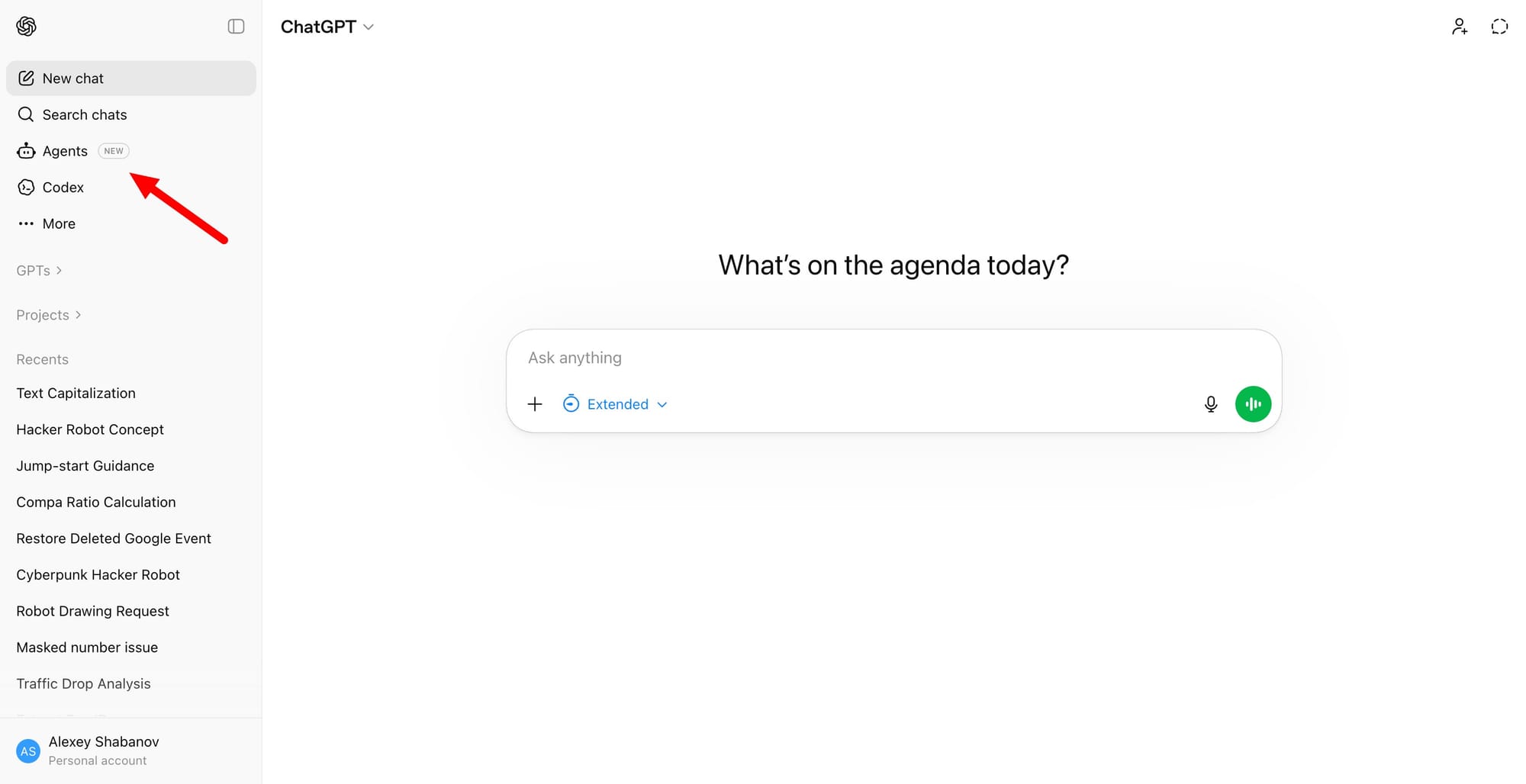
💡OpenAI's Hermes enables persistent ChatGPT agents—automate workflows with always-on AI.
⚡ 30-Second TL;DR
What Changed
OpenAI testing ChatGPT Agents feature codenamed Hermes
Why It Matters
This introduces always-on AI agents, enabling automation of complex, ongoing tasks without constant supervision. AI builders can create specialized agents, boosting productivity in development and operations.
What To Do Next
Prototype custom agent workflows in current ChatGPT to prepare for Hermes testing.
Key Points
- •OpenAI testing ChatGPT Agents feature codenamed Hermes
- •Enables persistent, always-on agents on ChatGPT
- •Supports custom skills, tasks, and workflows for agents
🧠 Deep Insight
AI-generated analysis for this event — not the original article.
🔑 Enhanced Key Takeaways
- •Hermes agents utilize a new 'long-term memory' architecture that allows the model to retain context across sessions, moving beyond the previous stateless chat paradigm.
- •The platform integrates with a proprietary 'Action Execution Layer' that enables agents to authenticate and perform multi-step operations across third-party APIs without requiring constant user re-authorization.
- •Early testing indicates Hermes agents are optimized for background processing, allowing them to trigger notifications or complete tasks while the user is offline.
📊 Competitor Analysis▸ Show
| Feature | OpenAI Hermes | Anthropic Claude Agents | Google Gemini Agents |
|---|---|---|---|
| Persistence | Always-on/Background | Session-based | Event-driven |
| Integration | Deep API/Action Layer | Tool-use/API | Workspace/Ecosystem |
| Pricing | Tiered/Usage-based | Usage-based | Subscription/API |
🛠️ Technical Deep Dive
- •Architecture: Utilizes a state-management layer that decouples the agent's 'working memory' (context window) from 'persistent memory' (vector-based storage for long-term task history).
- •Execution: Employs a sandboxed runtime environment for custom code execution, ensuring secure handling of third-party API keys and authentication tokens.
- •Task Orchestration: Uses a hierarchical planning model where the agent decomposes high-level user goals into sub-tasks, which are then queued for asynchronous execution.
🔮 Future ImplicationsAI analysis grounded in cited sources
⏳ Timeline
Weekly AI Recap
Read this week's curated digest of top AI events →
👉Related Updates

AI-curated news aggregator. All content rights belong to original publishers.
Original source: TestingCatalog ↗
This is a summary, not the original. Read the source, or get the weekly briefing.
The weekly digest
One email a week. Unsubscribe anytime.