OpenAI Launches ChatGPT for Teens

💡OpenAI’s teen launch shows how age-specific safeguards and learning modes are reshaping consumer AI design.
⚡ 30-Second TL;DR
What Changed
ChatGPT for Teens is designed specifically for children aged 13 to 17.
Why It Matters
The launch signals that age-specific safety design is becoming a core requirement for consumer AI products. AI builders serving minors may need stronger content policies, safer defaults, and learning-oriented interaction patterns.
What To Do Next
Add age-appropriate safety tests for self-harm, sexual content, and homework-answer requests before deploying an AI product to minors.
Key Points
- •ChatGPT for Teens is designed specifically for children aged 13 to 17.
- •It adds stronger content restrictions for suicide, self-harm, romantic, and sexual conversations.
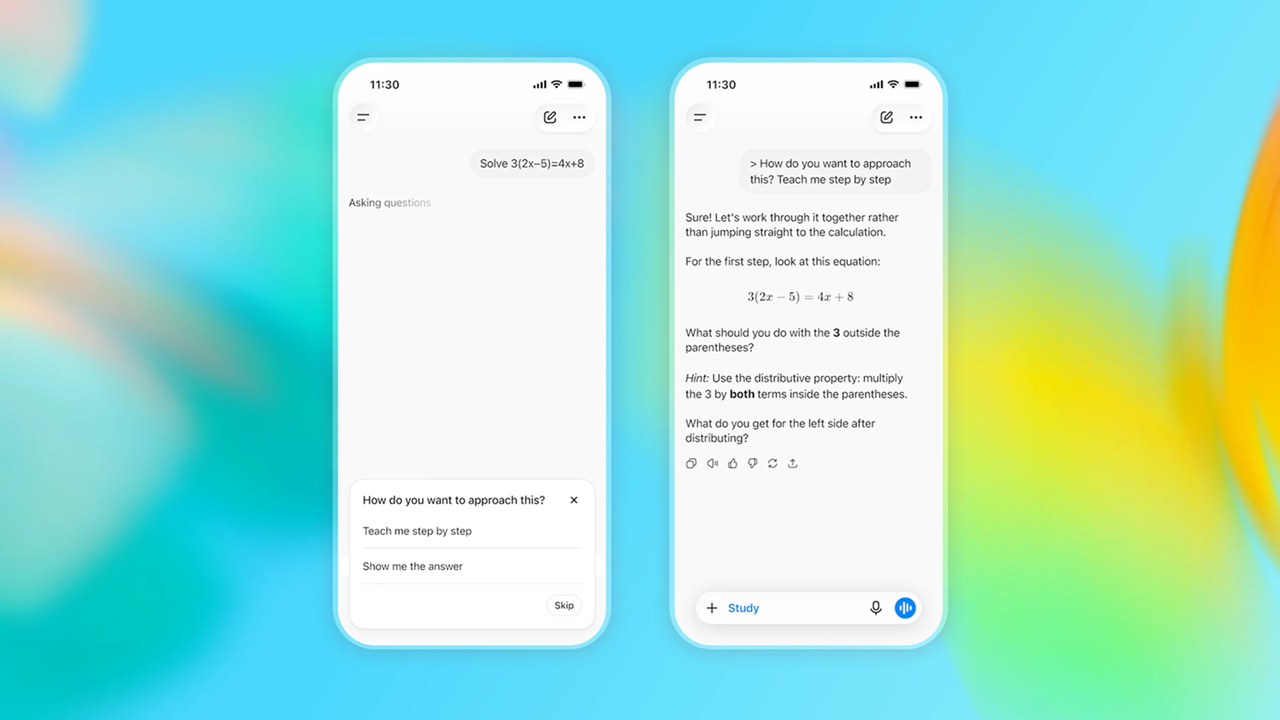
- •Homework and study features are designed to support learning rather than essay or answer generation.
🧠 Deep Insight
AI-generated analysis for this event.
🔑 Enhanced Key Takeaways
- •OpenAI has implemented a 'refusal-first' safety layer that specifically triggers educational prompts instead of direct answers when the model detects a homework-style query.
- •The rollout includes a mandatory parental consent verification process for users under 16 in specific jurisdictions, utilizing third-party identity verification services.
- •Data collected from teen accounts is excluded from model training by default, addressing long-standing privacy concerns regarding minor data usage.
- •The interface features a 'Learning Mode' toggle that provides step-by-step guidance and Socratic questioning techniques rather than providing final solutions.
- •OpenAI has partnered with educational safety organizations to audit the model's responses to sensitive topics, ensuring compliance with child safety standards like COPPA and GDPR-K.
📊 Competitor Analysis▸ Show
| Feature | ChatGPT for Teens | Google Gemini (Teen) | Anthropic Claude (Teen) |
|---|---|---|---|
| Safety Focus | Socratic/Refusal-first | Filter-based | Constitutional AI |
| Data Privacy | Training Opt-out | Varies by Workspace | Limited Data Retention |
| Homework Aid | Guided Learning | Search Integration | Document Analysis |
🛠️ Technical Deep Dive
- Implementation of a specialized system prompt layer that overrides standard model behavior for users identified as minors.
- Integration of a secondary safety classifier trained specifically on datasets related to self-harm and sexual content to reduce false negatives.
- Deployment of a 'Socratic Engine' that parses user input to identify pedagogical opportunities rather than direct completion.
- Use of differential privacy techniques to ensure that teen interaction data cannot be used to re-identify individual users in aggregate training sets.
🔮 Future ImplicationsAI analysis grounded in cited sources
⏳ Timeline
Weekly AI Recap
Read this week's curated digest of top AI events →
👉Related Updates
AI-curated news aggregator. All content rights belong to original publishers.
Original source: The Guardian Technology ↗