OpenAI in early talks to give 5% stake to government
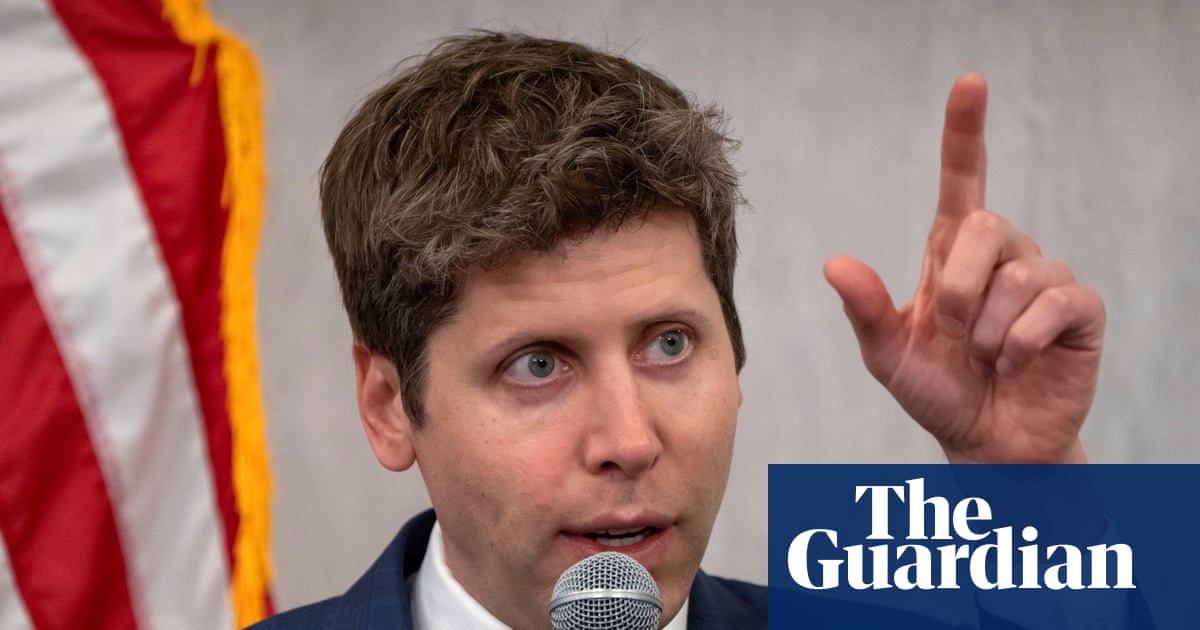
💡A major strategic shift: OpenAI may give the US government a 5% stake to navigate political and regulatory challenges.
⚡ 30-Second TL;DR
What Changed
OpenAI is considering giving a 5% stake to the US government to share AI benefits.
Why It Matters
This potential shift in ownership structure could significantly alter how AI companies are regulated and perceived by the government. It signals a move toward public-private partnerships in the AI sector.
What To Do Next
Monitor upcoming AI policy announcements from the US government to understand how equity-sharing models might influence future compliance requirements.
Key Points
- •OpenAI is considering giving a 5% stake to the US government to share AI benefits.
- •The move aims to improve political relations with the incoming Trump administration.
- •Sam Altman suggests this could set a precedent for other AI firms to follow.
🧠 Deep Insight
AI-generated analysis for this event — not the original article.
🔑 Enhanced Key Takeaways
- •The proposed equity transfer is structured as a 'sovereign AI' initiative, intended to position OpenAI as a critical national infrastructure asset rather than a purely commercial entity.
- •Legal experts have raised significant concerns regarding the 'Emoluments Clause' and potential conflicts of interest if a federal agency holds direct equity in a private corporation it is tasked with regulating.
- •Internal documents suggest the 5% stake would be held in a newly created public trust, preventing direct government interference in day-to-day model training or corporate governance.
- •The proposal follows a series of closed-door meetings between OpenAI leadership and Department of Defense officials regarding the integration of large language models into national security workflows.
- •Market analysts note that this move could trigger a valuation reassessment, as investors weigh the benefits of government partnership against the risks of increased federal oversight and potential antitrust scrutiny.
📊 Competitor Analysis▸ Show
| Feature | OpenAI (Proposed) | Anthropic | Google (DeepMind) | Meta (FAIR) |
|---|---|---|---|---|
| Govt. Equity | 5% Stake Proposed | None | None | None |
| Primary Focus | National Infrastructure | Constitutional AI | Integrated Ecosystem | Open Weights |
| Regulatory Stance | Pro-Regulation/Partnership | Safety-First/Compliance | Market-Leader/Defensive | Open-Source Advocacy |
🔮 Future ImplicationsAI analysis grounded in cited sources
⏳ Timeline
Weekly AI Recap
Read this week's curated digest of top AI events →
👉Related Updates
Same topic
Explore #ai-policy
Same product
More on openai
Same source
Latest from The Guardian Technology
OpenAI Reverses Course on California AI Regulation

Meta Faces Trial Over Addictive Platform Design

Hollywood Creatives Train AI Amid Job Losses

AI’s Rapid Takeoff Raises Existential Safety Fears
AI-curated news aggregator. All content rights belong to original publishers.
Original source: The Guardian Technology ↗
This is a summary, not the original. Read the source, or get the weekly briefing.
Weekly AI briefing
One email a week. Unsubscribe anytime.