OpenAI Enables Multi-Cloud Model Hosting
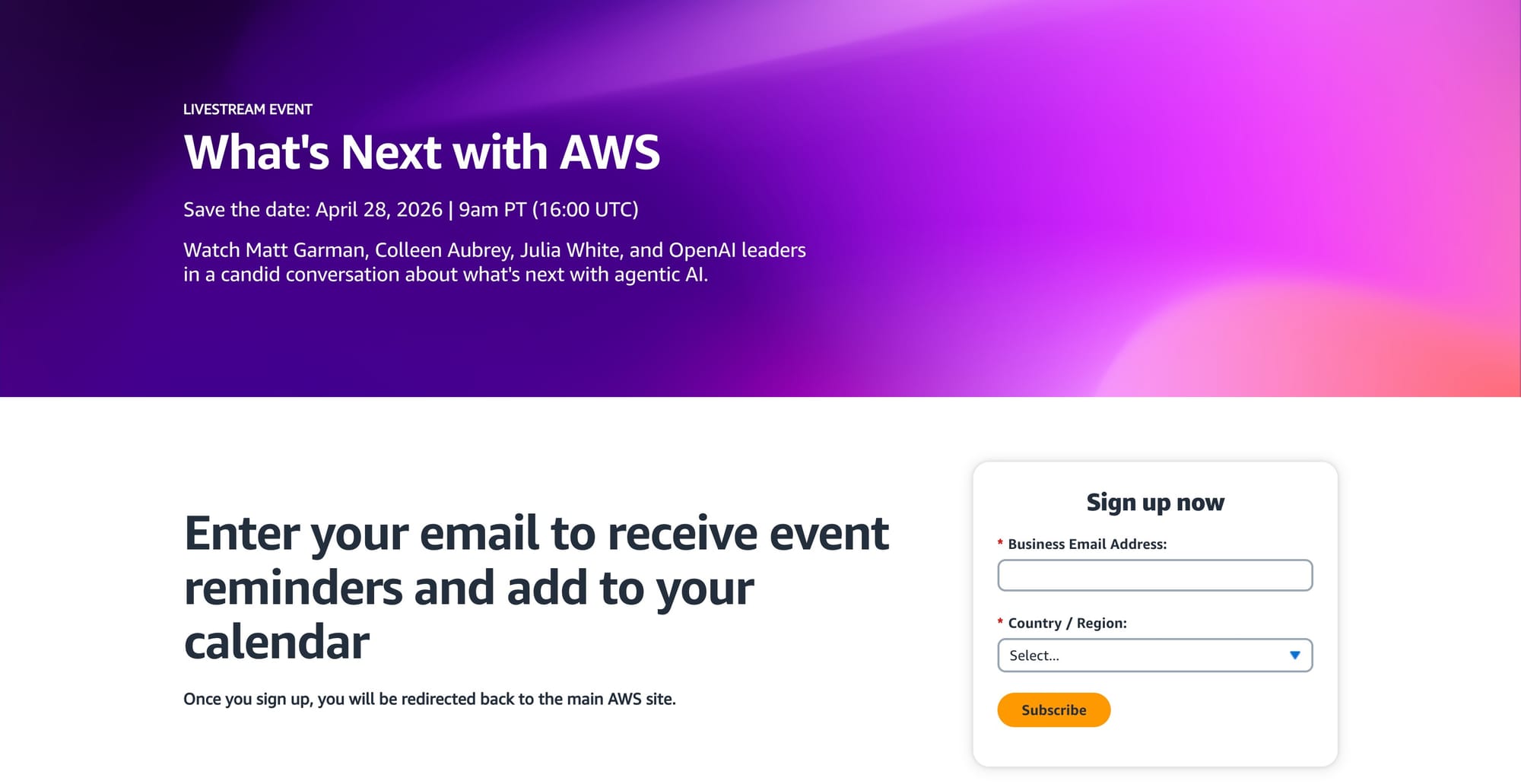
💡OpenAI ditches Azure exclusivity—deploy models on AWS now for flexibility
⚡ 30-Second TL;DR
What Changed
Microsoft-OpenAI partnership updated
Why It Matters
Customers gain multi-cloud flexibility, reducing Azure lock-in and enabling cost-optimized deployments. It heightens competition among cloud providers for AI workloads. Enterprises can now mix clouds for OpenAI services.
What To Do Next
Check OpenAI's dashboard for multi-cloud hosting options and test AWS deployment compatibility.
Key Points
- •Microsoft-OpenAI partnership updated
- •Models hostable on any cloud like AWS
- •Azure retains priority status
- •Enables broader product offerings
🧠 Deep Insight
AI-generated analysis for this event — not the original article.
🔑 Enhanced Key Takeaways
- •The strategic shift is driven by enterprise demand for data sovereignty and multi-region compliance, allowing customers to keep inference workloads within their existing cloud environments.
- •OpenAI is implementing a unified API abstraction layer that masks the underlying infrastructure provider, ensuring consistent latency and performance metrics regardless of the host cloud.
- •This move mitigates 'vendor lock-in' concerns that previously hindered large-scale enterprise adoption of OpenAI's models in highly regulated industries like finance and healthcare.
📊 Competitor Analysis▸ Show
| Feature | OpenAI (Multi-Cloud) | Anthropic (Bedrock/Vertex) | Google Gemini (Vertex AI) |
|---|---|---|---|
| Cloud Agnostic | Yes (Azure/AWS/GCP) | Yes (AWS/GCP) | Native (GCP) |
| Model Access | API/Private Deployment | API/Private Deployment | API/Private Deployment |
| Performance | Optimized for Azure | Optimized for AWS/GCP | Native GCP Optimization |
🛠️ Technical Deep Dive
- •Implementation utilizes a containerized orchestration layer (likely Kubernetes-based) to ensure model weights and inference engines are portable across heterogeneous cloud environments.
- •The architecture employs a global load-balancing mechanism that routes API requests to the nearest available cloud region, minimizing cross-cloud latency.
- •Security protocols include standardized VPC peering and private link connectivity to ensure that data in transit between the client and the model host remains isolated from the public internet.
🔮 Future ImplicationsAI analysis grounded in cited sources
⏳ Timeline
Weekly AI Recap
Read this week's curated digest of top AI events →
👉Related Updates
AI-curated news aggregator. All content rights belong to original publishers.
Original source: TestingCatalog ↗
This is a summary, not the original. Read the source, or get the weekly briefing.
The weekly digest
One email a week. Unsubscribe anytime.