🐯虎嗅•Stalecollected in 14m
Old Phones Recycling Surges 10x on AI Demand
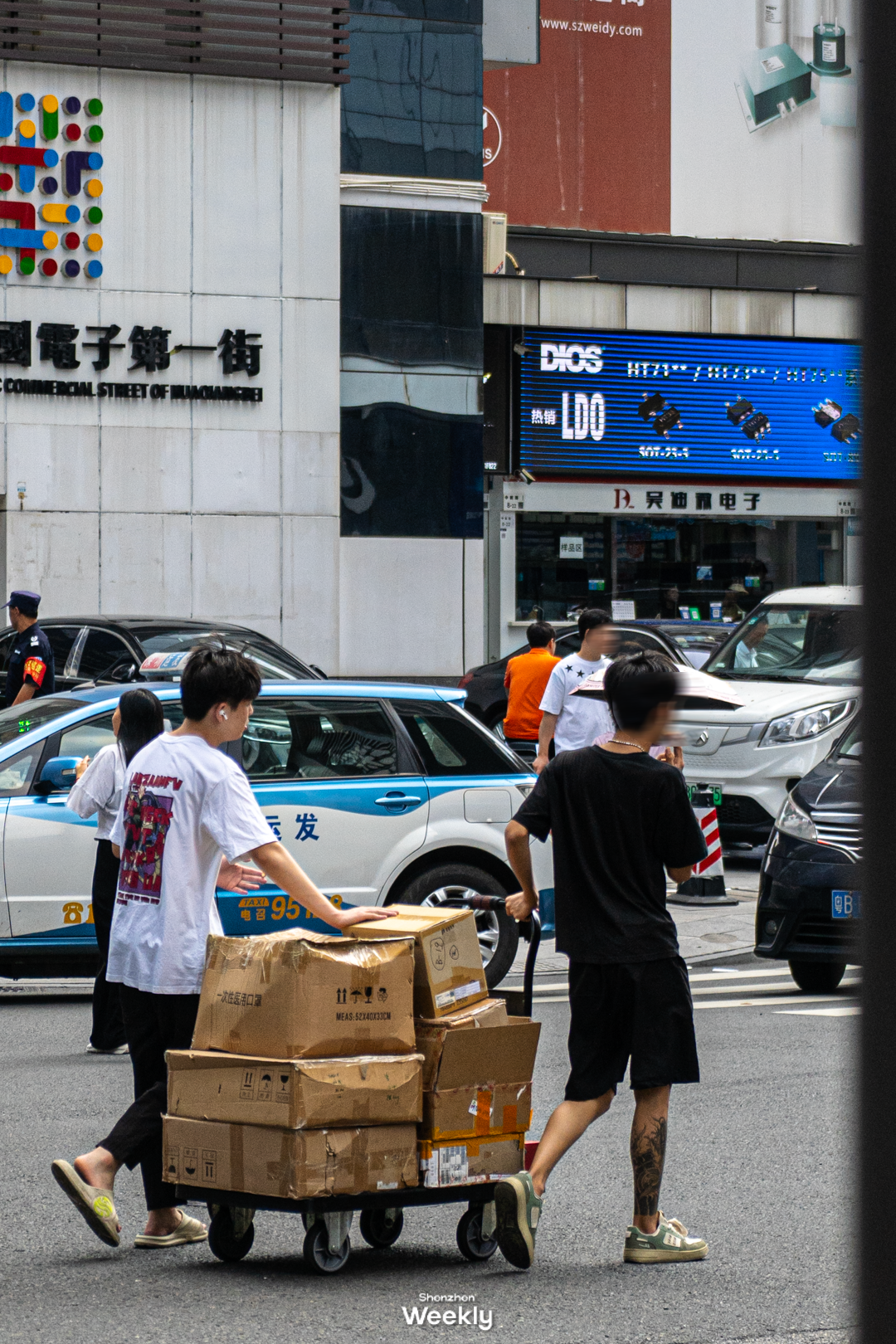
💡AI chip shortage boosts scrap phone values 10x—supply chain alert for builders
⚡ 30-Second TL;DR
What Changed
AI boom spikes storage chip demand, raising scrap phone values to 10x
Why It Matters
AI infrastructure strain ripples to consumer electronics supply; practitioners face ongoing chip costs, recycling as hedge.
What To Do Next
Check Alibaba for recycled NAND flash deals to cut AI server build costs.
Who should care:Developers & AI Engineers
Key Points
- •AI boom spikes storage chip demand, raising scrap phone values to 10x
- •Recyclers extract memory, cameras for new phones; Android locked devices low-value
- •National networks funnel phones to Huaqiangbei; prices now stabilizing high
- •Peak in Feb-Mar 2025, now warehouses full, quotes dropping
🧠 Deep Insight
AI-generated analysis for this event — not the original article.
🔑 Enhanced Key Takeaways
- •The surge in demand specifically targeted LPDDR4 and LPDDR5 memory chips, which are compatible with legacy AI-enabled edge devices and lower-tier server applications, driving the secondary market value of these specific components.
- •Regulatory scrutiny from Chinese environmental authorities intensified in late 2025, forcing many informal Huaqiangbei recycling workshops to formalize operations or face closure, which contributed to the market cooling effect.
- •Major smartphone OEMs have begun integrating 'chip-harvesting' clauses into their supply chain contracts to prevent authorized recyclers from selling high-value components back to the gray market, aiming to secure supply for their own refurbished product lines.
🛠️ Technical Deep Dive
- •Component Extraction: Focus on BGA (Ball Grid Array) desoldering techniques using infrared rework stations to salvage memory chips without thermal damage.
- •Compatibility Mapping: Recyclers utilize proprietary databases to match salvaged LPDDR4/5 chips with specific PCB layouts of lower-cost IoT devices and entry-level AI tablets.
- •Data Sanitization: The process involves low-level formatting of NAND flash storage to bypass Android-based FRP (Factory Reset Protection) locks, though this remains a primary bottleneck for high-volume throughput.
🔮 Future ImplicationsAI analysis grounded in cited sources
Formalized 'Circular Economy' standards will replace gray-market recycling.
Increased government oversight and OEM pressure will force the transition from informal Huaqiangbei workshops to certified, large-scale component recovery facilities.
Secondary component prices will decouple from new chip market volatility.
As recycling processes become standardized and automated, the supply of salvaged parts will become more predictable, reducing the extreme price spikes seen during the 2025 shortage.
⏳ Timeline
2024-11
Initial supply chain constraints for legacy memory chips emerge, triggering early price hikes in Huaqiangbei.
2025-02
Peak of the recycling frenzy; scrap phone values reach 10x historical averages.
2025-06
Government environmental and data security inspections begin targeting informal recycling clusters.
2025-12
Market saturation leads to a significant decline in secondary component quotes.
2026-02
Stabilization of recycling prices as supply chains adjust to new OEM-led recovery programs.
📰
Weekly AI Recap
Read this week's curated digest of top AI events →
👉Related Updates


AI-curated news aggregator. All content rights belong to original publishers.
Original source: 虎嗅 ↗
This is a summary, not the original. Read the source, or get the weekly briefing.
Weekly AI briefing
One email a week. Unsubscribe anytime.