Nvidia Vera Rubin Module for Space
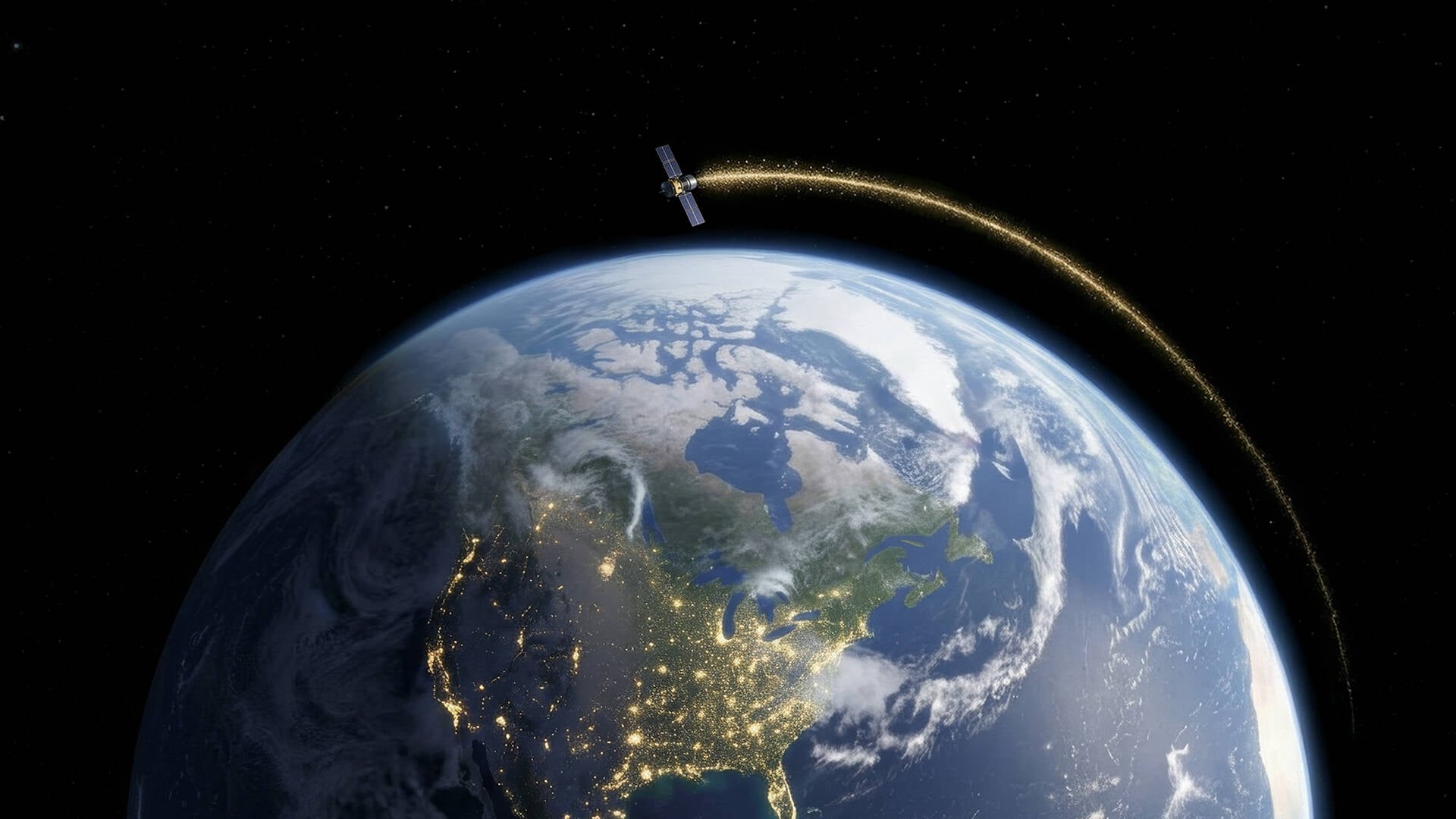
💡Nvidia's space AI chips unlock orbital datacenters for low-latency ML
⚡ 30-Second TL;DR
What Changed
Nvidia designs Vera Rubin module for space computing
Why It Matters
This enables resilient AI infrastructure in orbit, potentially reducing latency for satellite data processing and expanding Nvidia's dominance in edge computing. AI practitioners gain new options for space-based ML workloads amid growing satellite constellations.
What To Do Next
Assess Vera Rubin module specs on Nvidia GTC site for orbital AI inference pilots.
Key Points
- •Nvidia designs Vera Rubin module for space computing
- •Targets orbital datacenters above Earth's atmosphere
- •Announced amid GTC talks on space data frontiers
- •Addresses in-space AI/ML processing needs
🧠 Deep Insight
Background and context from public sources — not the original article. 5 sources cited.
🔑 Enhanced Key Takeaways
- •The Vera Rubin Space Module delivers up to 25x the AI compute performance of the H100 GPU specifically for orbital inference workloads.[1]
- •It features a tightly integrated CPU-GPU architecture with high-bandwidth interconnects optimized for real-time processing of large data streams from space-based instruments.[1]
- •Powered by solar energy, the module enables high-performance, energy-efficient AI computing at the edge in orbit.[2]
- •Six commercial space companies have already deployed the platform.[1]
🔮 Future ImplicationsAI analysis grounded in cited sources
⏳ Timeline
📎 Sources (5)
Factual claims are grounded in the sources below. Forward-looking analysis is AI-generated interpretation.
- Tom's Hardware — Nvidia Announces Vera Rubin Space Module
- nvidianews.nvidia.com — Space Computing
- engineering.com — Nvidia Expands AI Compute for Space and Edge Systems
- developer.nvidia.com — Nvidia Vera Cpu Delivers High Performance Bandwidth and Efficiency for AI Factories
- tspasemiconductor.substack.com — Gtc 2026 Review How Nvidia Is Redefining
Weekly AI Recap
Read this week's curated digest of top AI events →
👉Related Updates
AI-curated news aggregator. All content rights belong to original publishers.
Original source: The Register - AI/ML ↗
This is a summary, not the original. Read the source, or get the weekly briefing.
Weekly AI briefing
One email a week. Unsubscribe anytime.