NVIDIA Proposes Home-Based AI Data Centers
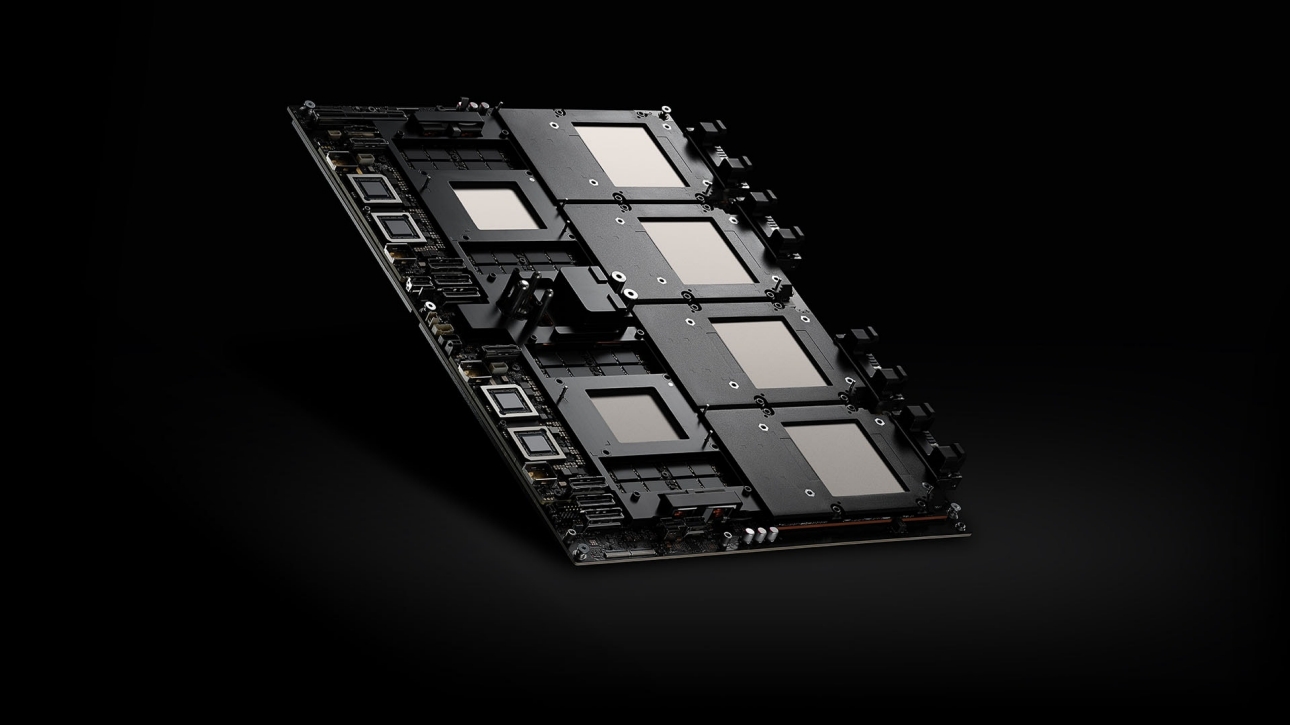
💡NVIDIA’s reported plan could redefine where AI compute lives—if homes can handle the power, heat, and network demands.
⚡ 30-Second TL;DR
What Changed
NVIDIA reportedly plans to provide high-end computing equipment at no upfront cost
Why It Matters
If implemented, the model could expand AI compute capacity beyond traditional data centers and create new opportunities for distributed inference. However, residential power, cooling, noise, networking, maintenance, and regulatory requirements would be major deployment constraints.
What To Do Next
Model a pilot edge-inference deployment with 16 GPUs, including residential power, cooling, bandwidth, uptime, and local permitting costs before evaluating this concept.
Key Points
- •NVIDIA reportedly plans to provide high-end computing equipment at no upfront cost
- •The equipment would be installed on the exterior walls of participating homes
- •Each residential site could receive up to 16 top-tier GPUs
- •The proposal targets a distributed network of miniature AI data centers
🧠 Deep Insight
Background and context from public sources — not the original article. 6 sources cited.
🔑 Enhanced Key Takeaways
- •NVIDIA is partnering with smart electrical panel manufacturer Span to integrate these residential computing nodes into existing home energy management systems.
- •The residential units are officially designated as 'XFRA' nodes, designed to function as decentralized computing clusters.
- •The initiative is part of a broader NVIDIA strategy known as 'Land, Power, and Shell' (LPS), aimed at securing distributed infrastructure to bypass traditional data center construction delays.
- •The program faces significant public opposition regarding noise pollution, high electricity consumption, and privacy concerns related to the physical hardware.
- •Participants are expected to provide property space, electricity, and internet bandwidth in exchange for financial incentives, effectively turning homes into utility-scale computing assets.
🛠️ Technical Deep Dive
- Each XFRA unit is configured to house 16 NVIDIA Blackwell architecture GPUs.
- The units utilize smart electrical panel integration via Span to manage the high power load required for continuous AI inference and training workloads.
- The architecture relies on high-speed, low-latency distributed networking to aggregate residential nodes into a cohesive virtual data center.
🔮 Future ImplicationsAI analysis grounded in cited sources
⏳ Timeline
📎 Sources (6)
Factual claims are grounded in the sources below. Forward-looking analysis is AI-generated interpretation.
Weekly AI Recap
Read this week's curated digest of top AI events →
👉Related Updates

AI-curated news aggregator. All content rights belong to original publishers.
Original source: cnBeta (Full RSS) ↗
This is a summary, not the original. Read the source, or get the weekly briefing.
Weekly AI briefing
One email a week. Unsubscribe anytime.