Nvidia Cancels $4,429 RTX 5090 Order
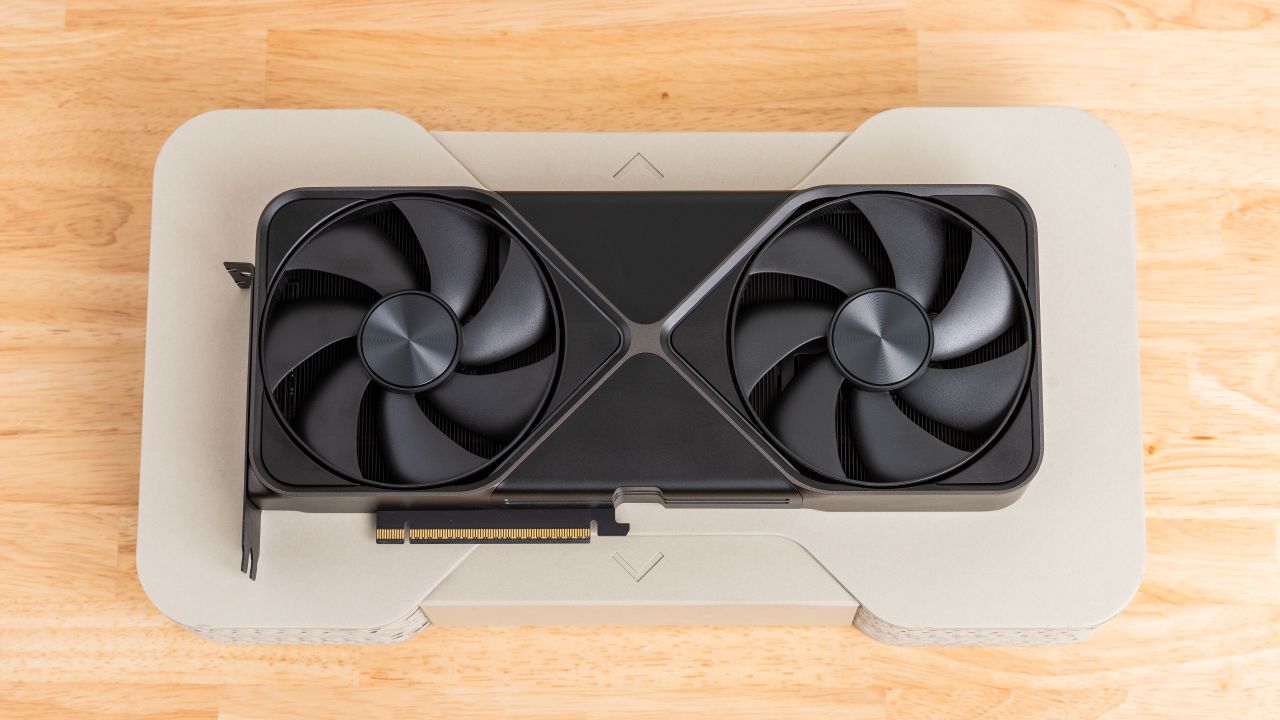
A cancelled $4,429 RTX 5090 order shows how unstable GPU pricing can disrupt AI infrastructure plans.
30-Second TL;DR
What Changed
The cancelled order was originally priced at $4,429.
Why It Matters
Extreme pricing and order cancellations make high-end GPU procurement less predictable for AI developers and startups. Teams planning local inference or model training should account for vendor, marketplace, and refund risks rather than relying on a single advertised price.
What To Do Next
Before budgeting an RTX 5090 for CUDA workloads, obtain a written final quote from an authorized Nvidia or Asus reseller and confirm fulfillment terms.
Key Points
- •The cancelled order was originally priced at $4,429.
- •The price reportedly increased by $500 immediately before Nvidia cancelled the order.
- •Nvidia blamed Asus for the pricing confusion and refunded the marketplace buyer.
- •The GPU’s resulting market price was nearly 2.5 times its MSRP.
Deep Insight
AI-generated analysis for this event — not the original article.
Enhanced Key Takeaways
- •The Asus ROG Astral RTX 5090 BTF utilizes a proprietary 'Back-to-the-Future' (BTF) connector design, which eliminates visible power cables by routing power directly through the motherboard.
- •Marketplace volatility for the RTX 5090 series has been exacerbated by severe supply chain constraints affecting the Blackwell-based GPU architecture in the third quarter of 2026.
- •Nvidia's direct-to-consumer marketplace platform has faced increasing scrutiny from regulatory bodies regarding price transparency and the handling of third-party vendor listings.
- •The $500 price hike was attributed to an automated pricing algorithm error triggered by a sudden surge in demand and low inventory levels for the BTF-specific variant.
- •Industry analysts suggest that the cancellation reflects a broader shift in Nvidia's retail strategy, prioritizing direct control over high-end GPU distribution channels to mitigate scalping.
Competitor Analysis
- Asus ROG Astral RTX 5090 BTF
- Blackwell (GB202)
- AMD Radeon RX 9900 XTX
- RDNA 5
- Intel Arc 'Celestial' Flagship
- Xe3-HPG
- Asus ROG Astral RTX 5090 BTF
- Proprietary BTF Connector
- AMD Radeon RX 9900 XTX
- Standard 12V-2x6
- Intel Arc 'Celestial' Flagship
- Standard 12V-2x6
- Asus ROG Astral RTX 5090 BTF
- ~$11,000+ (Scalped)
- AMD Radeon RX 9900 XTX
- ~$2,800
- Intel Arc 'Celestial' Flagship
- ~$2,200
- Asus ROG Astral RTX 5090 BTF
- 32GB GDDR7
- AMD Radeon RX 9900 XTX
- 24GB GDDR7
- Intel Arc 'Celestial' Flagship
- 20GB GDDR7
| Feature | Asus ROG Astral RTX 5090 BTF | AMD Radeon RX 9900 XTX | Intel Arc 'Celestial' Flagship |
|---|---|---|---|
| Architecture | Blackwell (GB202) | RDNA 5 | Xe3-HPG |
| Power Delivery | Proprietary BTF Connector | Standard 12V-2x6 | Standard 12V-2x6 |
| Est. Market Price | ~$11,000+ (Scalped) | ~$2,800 | ~$2,200 |
| VRAM | 32GB GDDR7 | 24GB GDDR7 | 20GB GDDR7 |
Technical Deep Dive
- Architecture: Blackwell GB202 GPU fabricated on TSMC 4NP process node.
- Memory: 32GB GDDR7 VRAM with 32 Gbps effective speed and 512-bit memory bus.
- Power Interface: Asus BTF connector capable of delivering up to 600W directly from compatible motherboards.
- Thermal Solution: Triple-fan vapor chamber design with a 3.5-slot thickness profile.
- Connectivity: DisplayPort 2.1a support with UHBR20 bandwidth.
Future ImplicationsAI analysis grounded in cited sources
Timeline
- 2025-01Nvidia officially announces the Blackwell GPU architecture at CES.
- 2026-02RTX 5090 series launches globally with significant initial stock shortages.
- 2026-05Asus introduces the ROG Astral BTF variant, marketed as the premium cable-less solution.
- 2026-08Nvidia cancels the $4,429 order citing pricing discrepancies and marketplace errors.
Event Coverage
Weekly AI Recap
Read this week's curated digest of top AI events →
AI-curated news aggregator. All content rights belong to original publishers.
Original source: Tom's Hardware ↗
This is a summary, not the original. Read the source, or get the weekly briefing.
The weekly digest
One email a week. Unsubscribe anytime.