Nubia Debuts World's First Native AI Agent Smartphone
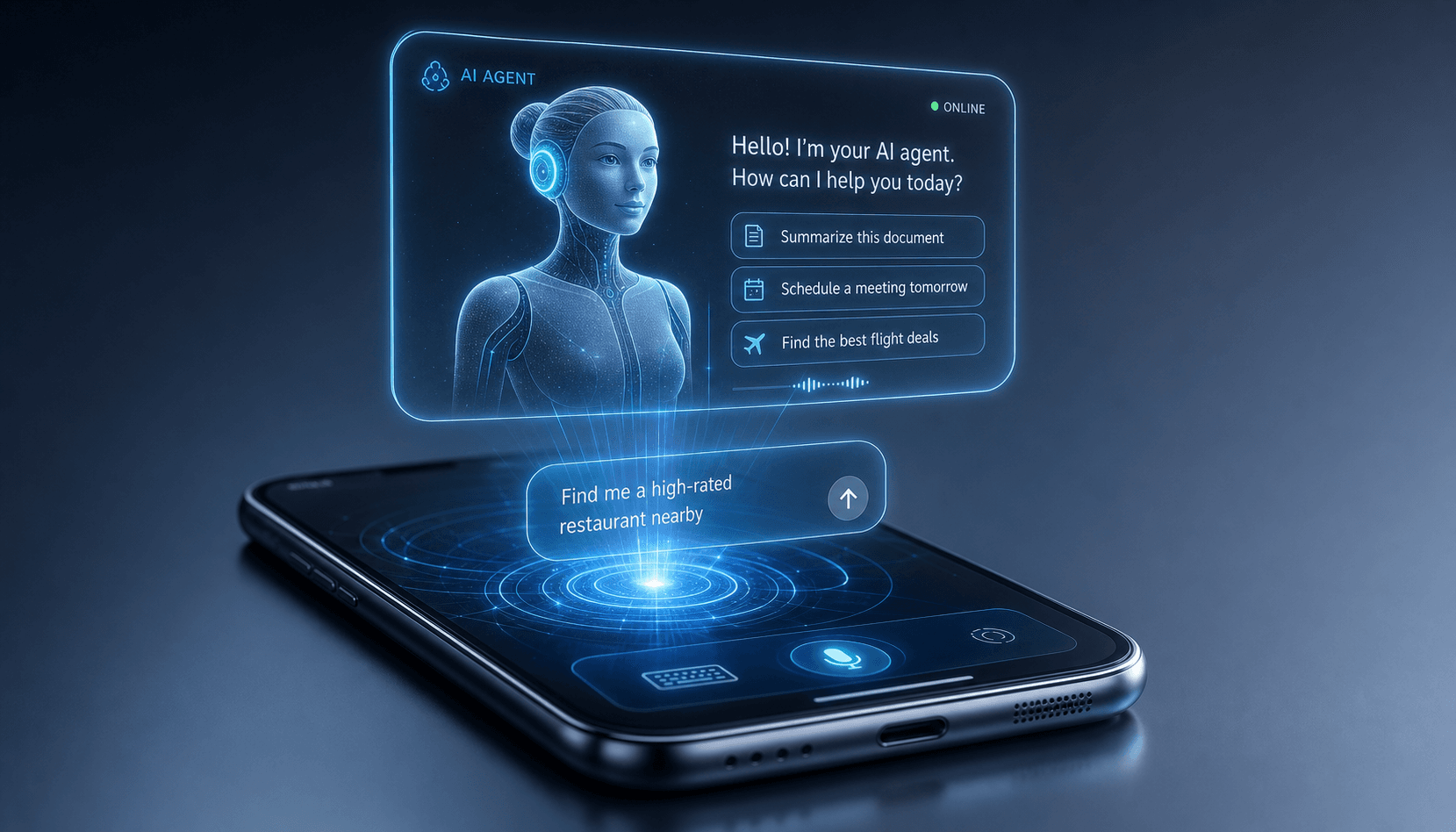
💡The first step toward autonomous AI agents on mobile; see how ByteDance is changing the smartphone UI paradigm.
⚡ 30-Second TL;DR
What Changed
First smartphone to integrate native autonomous AI agent capabilities
Why It Matters
This marks a shift in mobile AI from reactive chatbots to proactive agents, setting a new standard for how users interact with mobile operating systems.
What To Do Next
Research the integration capabilities of ByteDance's agent framework to see if your app can be optimized for autonomous agent task execution.
Key Points
- •First smartphone to integrate native autonomous AI agent capabilities
- •System moves beyond simple feature add-ons to cross-app task execution
- •Collaboration between Nubia and ByteDance to power the agent logic
- •Focus on memory and context awareness for personalized user interaction
🧠 Deep Insight
AI-generated analysis for this event — not the original article.
🔑 Enhanced Key Takeaways
- •The device utilizes ByteDance's proprietary 'Doubao' large language model architecture, optimized specifically for on-device inference to ensure user privacy.
- •The AI agent system features a 'Global Intent Recognition' layer that intercepts system-level API calls to navigate third-party apps without requiring specific app-side integration.
- •Nubia has implemented a dedicated NPU-scheduling algorithm that prioritizes agent-based background tasks to minimize battery drain during autonomous operation.
- •The partnership includes a shared data-privacy framework that allows users to toggle 'Local-Only' mode, restricting the agent's memory to the device's secure enclave.
- •Initial rollout is limited to the Chinese market, with the agent's cross-app capabilities currently supporting top-tier productivity and social media applications.
📊 Competitor Analysis▸ Show
| Feature | Nubia AI Agent Phone | Samsung Galaxy AI (S26 Series) | Apple Intelligence (iPhone 18) |
|---|---|---|---|
| Agent Autonomy | Native Cross-App Execution | App-Specific Integration | System-Level Contextual Awareness |
| Model Source | ByteDance (Doubao) | Google (Gemini) / Proprietary | OpenAI / Proprietary |
| Pricing | Mid-to-High Tier | Premium | Premium |
| Memory Persistence | Long-term Cross-App Memory | Session-based | Session-based |
🛠️ Technical Deep Dive
- Architecture: Utilizes a hybrid cloud-edge model where lightweight intent parsing happens on-device, while complex reasoning tasks are offloaded to ByteDance's server clusters.
- Memory System: Implements a Vector Database embedded within the system partition, allowing the agent to store and retrieve user preferences and past task states.
- API Interaction: Employs an Accessibility Service-based automation layer that simulates user input to interact with apps that lack native AI agent APIs.
- Latency: Achieves sub-200ms response time for intent recognition through a custom-built kernel-level task scheduler.
🔮 Future ImplicationsAI analysis grounded in cited sources
⏳ Timeline
Weekly AI Recap
Read this week's curated digest of top AI events →
👉Related Updates


AI-curated news aggregator. All content rights belong to original publishers.
Original source: Pandaily ↗
This is a summary, not the original. Read the source, or get the weekly briefing.
The weekly digest
One email a week. Unsubscribe anytime.