NovoViz Develops High-Speed Low-Power SPAD Sensor
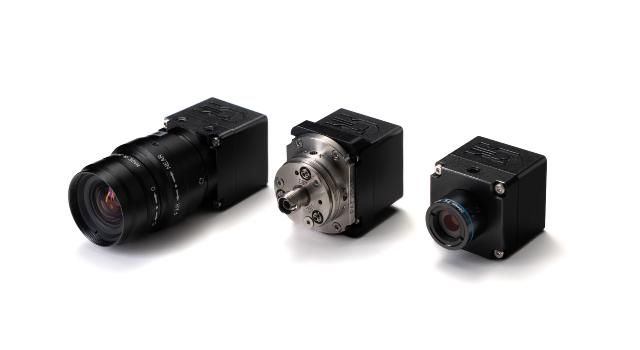
💡100M FPS imaging at low power is a game-changer for robotics and real-time AI perception.
⚡ 30-Second TL;DR
What Changed
New SPAD edge imaging sensor dramatically reduces power consumption.
Why It Matters
This sensor could revolutionize real-time object tracking and depth sensing in robotics and autonomous systems by providing high-speed data with lower energy overhead.
What To Do Next
Evaluate the integration of high-speed SPAD sensors for your next computer vision project to improve latency and power efficiency.
Key Points
- •New SPAD edge imaging sensor dramatically reduces power consumption.
- •Achieves an equivalent frame rate of 100 million frames per second.
- •High-speed imaging capabilities are critical for real-time computer vision and robotics.
🧠 Deep Insight
AI-generated analysis for this event — not the original article.
🔑 Enhanced Key Takeaways
- •NovoViz utilizes a proprietary 'Event-Driven' architecture that allows the sensor to process only changes in light intensity, drastically reducing data throughput compared to traditional frame-based sensors.
- •The sensor integrates on-chip processing capabilities, enabling edge-based AI inference which minimizes latency by eliminating the need to transmit raw high-speed data to an external processor.
- •The technology is specifically optimized for Time-of-Flight (ToF) applications, enhancing depth sensing accuracy in challenging lighting conditions such as direct sunlight.
- •NovoViz's SPAD sensor design incorporates advanced 3D-stacked CMOS technology, which separates the sensing layer from the logic layer to maximize fill factor and quantum efficiency.
- •The development is targeted at industrial automation and autonomous mobile robots (AMRs) where power constraints often limit the deployment of high-speed vision systems.
📊 Competitor Analysis▸ Show
| Feature | NovoViz SPAD Sensor | Sony IMX Series (SPAD) | STMicroelectronics (FlightSense) |
|---|---|---|---|
| Architecture | Event-Driven Edge | Frame-Based/Hybrid | ToF-Specific |
| Power Efficiency | Ultra-Low (Edge-optimized) | Moderate | High |
| Max Frame Rate | 100M fps (Equivalent) | Varies (High) | Lower (Depth-focused) |
| Primary Use Case | Robotics/Real-time Vision | Industrial/Automotive | Consumer Electronics |
🛠️ Technical Deep Dive
- Sensor Architecture: Employs a 3D-stacked CMOS process to decouple the SPAD pixel array from the digital signal processing (DSP) logic.
- Event-Driven Processing: Implements asynchronous pixel readout, where only pixels detecting a photon event above a threshold trigger data transmission.
- Power Management: Features dynamic power scaling that adjusts energy consumption based on the scene's temporal activity levels.
- Throughput: Achieves high equivalent frame rates by utilizing time-to-digital converters (TDCs) integrated directly into the pixel column logic.
🔮 Future ImplicationsAI analysis grounded in cited sources
⏳ Timeline
Weekly AI Recap
Read this week's curated digest of top AI events →
👉Related Updates



AI-curated news aggregator. All content rights belong to original publishers.
Original source: 钛媒体 ↗
This is a summary, not the original. Read the source, or get the weekly briefing.
The weekly digest
One email a week. Unsubscribe anytime.