No 'Intelligence Crisis' from Tech Revolutions
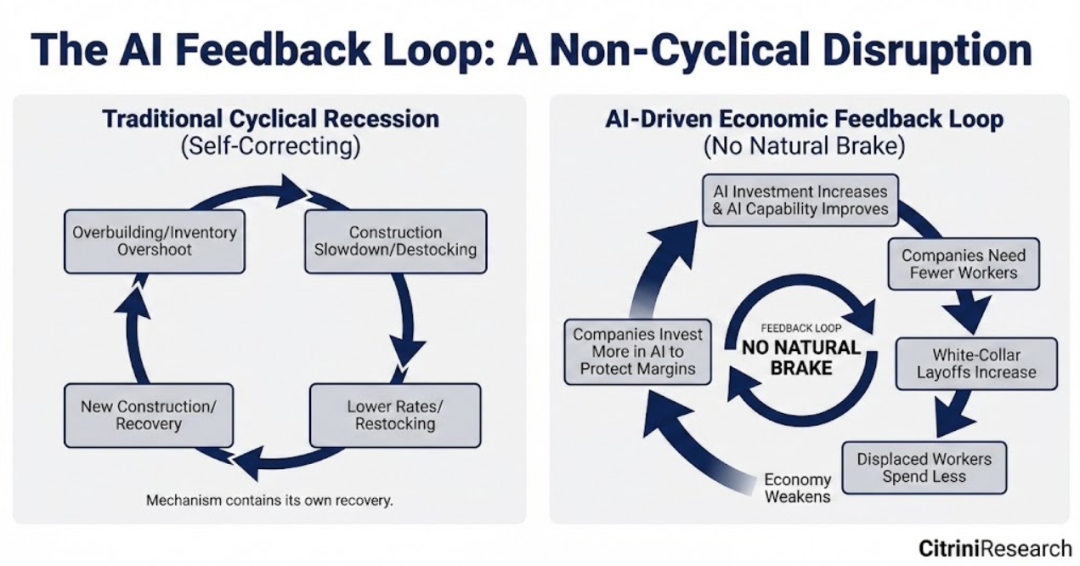
💡Debunks tech crisis myth—reassures AI builders on historical precedents.
⚡ 30-Second TL;DR
What Changed
No historical crisis stemmed from tech revolutions
Why It Matters
Counters AI doomsday narratives, potentially easing regulatory pressures on AI development.
What To Do Next
Reference this argument in AI ethics discussions to balance risk narratives.
Key Points
- •No historical crisis stemmed from tech revolutions
- •Denies existence of any 'intelligence crisis'
- •Applies to ongoing debates on AI risks
🧠 Deep Insight
Background and context from public sources — not the original article. 10 sources cited.
🔑 Enhanced Key Takeaways
- •The Sputnik crisis in 1957 sparked widespread public fear in the West over a perceived Soviet technological superiority after launching the first satellite, prompting massive U.S. investments in science and the creation of NASA[3].
- •Historical intelligence failures, such as Pearl Harbor in 1941 and Yom Kippur War in 1973, arose from misinterpretation of available data and coordination issues rather than technological revolutions[1][5].
- •The information revolution, accelerated by communications tech, contributed to the Soviet Union's collapse by enabling innovation that centralized planning couldn't match, challenging government information control[2].
- •Post-Cold War, intelligence faced a 'fall' due to digital age disruptions, rising costs of advanced tech like signals intelligence, and shifts from state-centric threats to non-state actors[4][6].
🔮 Future ImplicationsAI analysis grounded in cited sources
⏳ Timeline
📎 Sources (10)
Factual claims are grounded in the sources below. Forward-looking analysis is AI-generated interpretation.
- warontherocks.com — What We Mean When We Call Something an Intelligence Failure
- govexec.com — 10254
- en.wikipedia.org — Sputnik Crisis
- cia.gov — Review Rise Fall Intel
- calhoun.nps.edu — Content
- airuniversity.af.edu — The Rise and Fall of Intelligence an International Security History
- academic.oup.com — 213366718
- jstor.org — J
- thefuturesociety.org — Aicrisisexplainer
- education.cfr.org — What Intelligence
Weekly AI Recap
Read this week's curated digest of top AI events →
👉Related Updates
AI-curated news aggregator. All content rights belong to original publishers.
Original source: 钛媒体 ↗
This is a summary, not the original. Read the source, or get the weekly briefing.
Weekly AI briefing
One email a week. Unsubscribe anytime.