NIO Turns Profitable, But AI Costs Bite
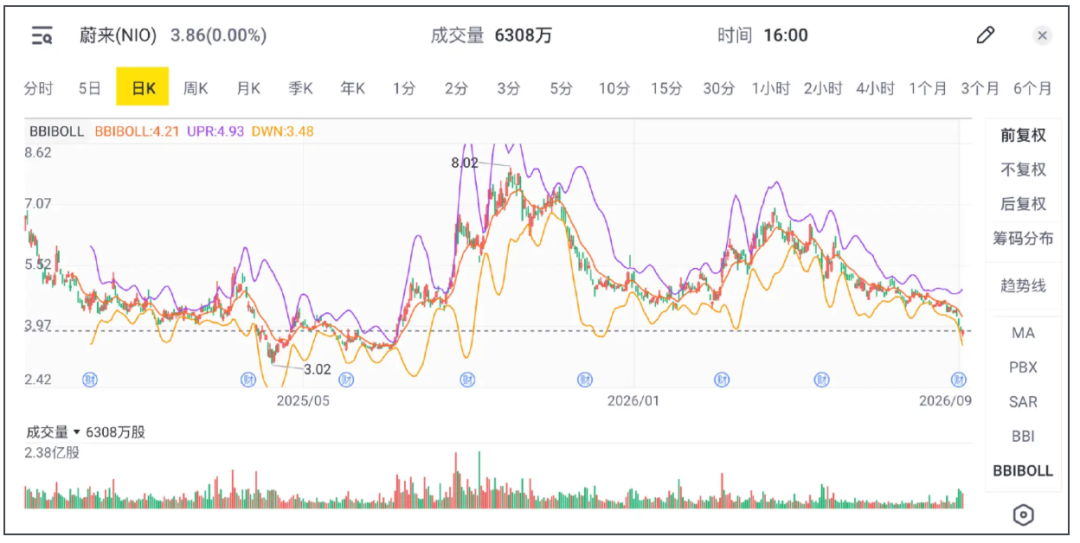
💡NIO is profitable on paper, but memory and smart-driving hardware inflation could reshape AI vehicle economics.
⚡ 30-Second TL;DR
What Changed
NIO's Q2 2026 revenue rose 69.1% year over year to RMB 32.137 billion, with deliveries up 49.4% to more than 107,000 vehicles.
Why It Matters
For AI and automotive developers, the report highlights how memory and compute inflation can directly affect intelligent-driving margins. Cutting R&D to protect short-term profitability may also weaken future model training, perception, and autonomous-driving capabilities.
What To Do Next
Benchmark your autonomous-driving stack with current memory and inference-hardware prices, then model whether a 10% component-cost increase would break your target gross margin.
Key Points
- •NIO's Q2 2026 revenue rose 69.1% year over year to RMB 32.137 billion, with deliveries up 49.4% to more than 107,000 vehicles.
- •Vehicle gross margin reached 18.5%, but adjusted net margin remained below 0.1%, leaving little buffer against cost volatility.
- •Memory chips and smart-driving components accounted for about 60% of the RMB 14,000 increase in per-vehicle costs.
- •NIO cut Q2 R&D spending 28.7% year over year while sales and administrative expenses rose 26.5% sequentially.
- •Management expects another RMB 2,000–3,000 increase in per-vehicle costs during the second half of 2026.
Weekly AI Recap
Read this week's curated digest of top AI events →
👉Related Updates


AI-curated news aggregator. All content rights belong to original publishers.
Original source: 虎嗅 ↗
This is a summary, not the original. Read the source, or get the weekly briefing.
Weekly AI briefing
One email a week. Unsubscribe anytime.