Niantic Repurposes Pokemon Go AR for Robot Maps
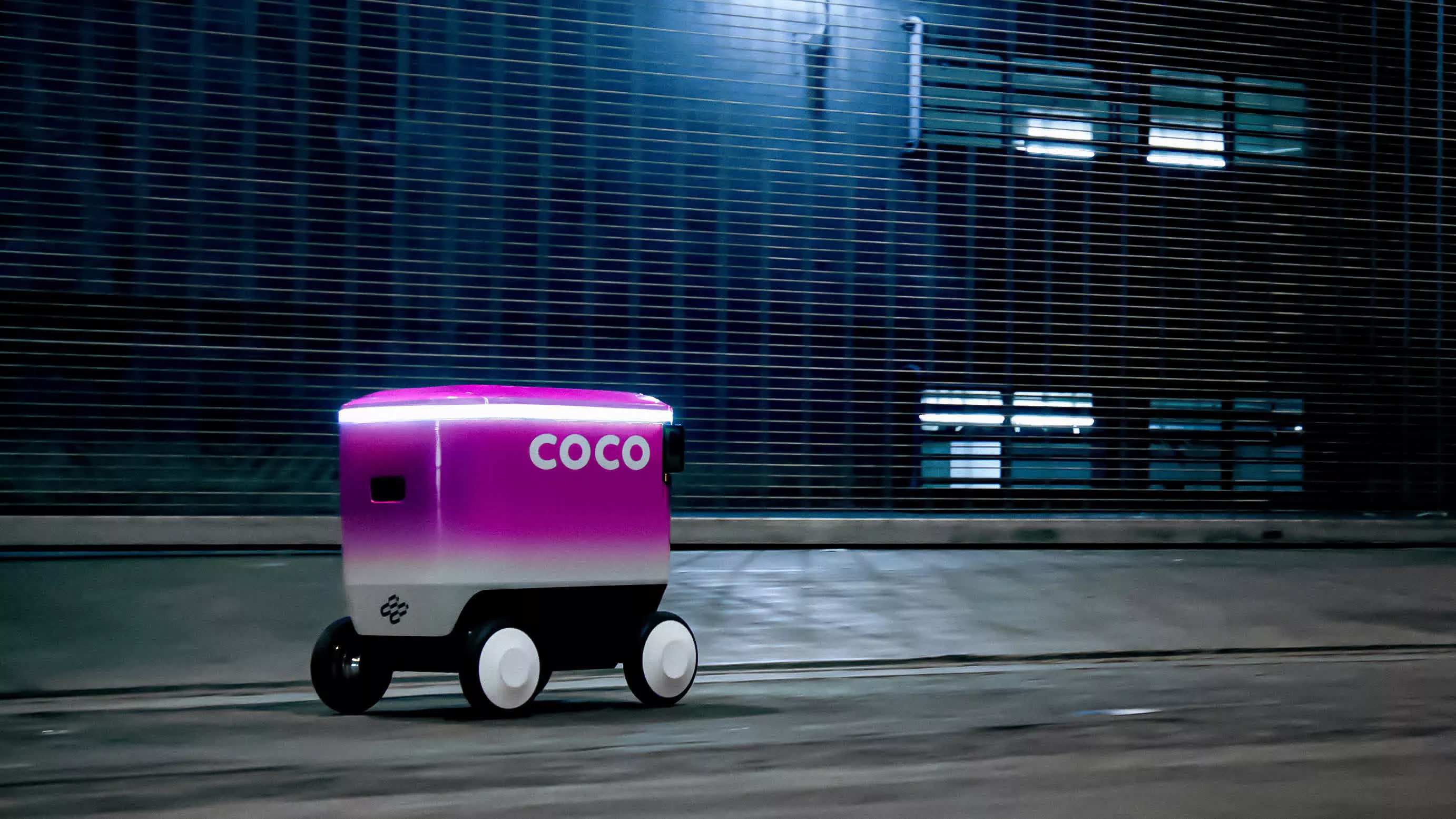
💡Pokemon Go AR data enables cm-precise robot delivery maps in cities
⚡ 30-Second TL;DR
What Changed
Repurposes Pokemon Go AR data for delivery robot navigation
Why It Matters
Expands gaming AR tech into logistics robotics, creating new revenue streams and advancing embodied AI navigation in real-world apps.
What To Do Next
Integrate Niantic VPS API into your robot project for urban navigation testing.
Key Points
- •Repurposes Pokemon Go AR data for delivery robot navigation
- •Cm-level visual positioning using accumulated data and street images
- •Targets urban GPS limitations for partners like Coco Robotics
🧠 Deep Insight
Background and context from public sources — not the original article. 5 sources cited.
🔑 Enhanced Key Takeaways
- •Niantic Spatial, a spin-off company announced in March 2025, developed the Visual Positioning System (VPS) using data from Pokémon Go and Ingress.[1][2][4]
- •The VPS model was trained on 30 billion images captured by players, with dense coverage around over one million game hotspots worldwide for high-accuracy positioning.[1][2]
- •Coco Robotics' delivery robots use four hip-height cameras to feed images into the VPS, enabling precise navigation despite perspective differences from player data.[2]
- •The system supports direction-aware positioning and extends accuracy beyond hotspots through model predictions on sparse data.[2]
🛠️ Technical Deep Dive
- •VPS uses visual landmark recognition from smartphone images to achieve centimeter-level positioning, trained via photogrammetry on player-submitted AR scans from Pokémon Go's AR Mapping feature introduced in fall 2020.[4]
- •Model processes snapshots of buildings to predict location and facing direction, with over 30 billion urban images, densest at one million+ game hotspots.[1][2]
- •Integrates with robot hardware like Coco's four omnidirectional cameras at hip height; data adaptation handles viewpoint shifts from player eye-level.[2]
🔮 Future ImplicationsAI analysis grounded in cited sources
⏳ Timeline
📎 Sources (5)
Factual claims are grounded in the sources below. Forward-looking analysis is AI-generated interpretation.
- phemex.com — Niantic Leverages Pokmon Go Data for Advanced Robot Navigation 65955
- kucoin.com — Niantic Uses 3 Billion Pok Mon Go Photos to Train Robot Navigation System
- popsci.com — Pokemon Go Delivery Robots Crowdsourcing
- hackaday.com — Pokemon Go Had Players Capturing More Than They Realized
- techspot.com — 111690 Pokmon Go Ar Data Has Turned Centimeter Accurate
Weekly AI Recap
Read this week's curated digest of top AI events →
👉Related Updates


AI-curated news aggregator. All content rights belong to original publishers.
Original source: cnBeta (Full RSS) ↗
This is a summary, not the original. Read the source, or get the weekly briefing.
Weekly AI briefing
One email a week. Unsubscribe anytime.