New liquid material stores energy and releases electrons on demand
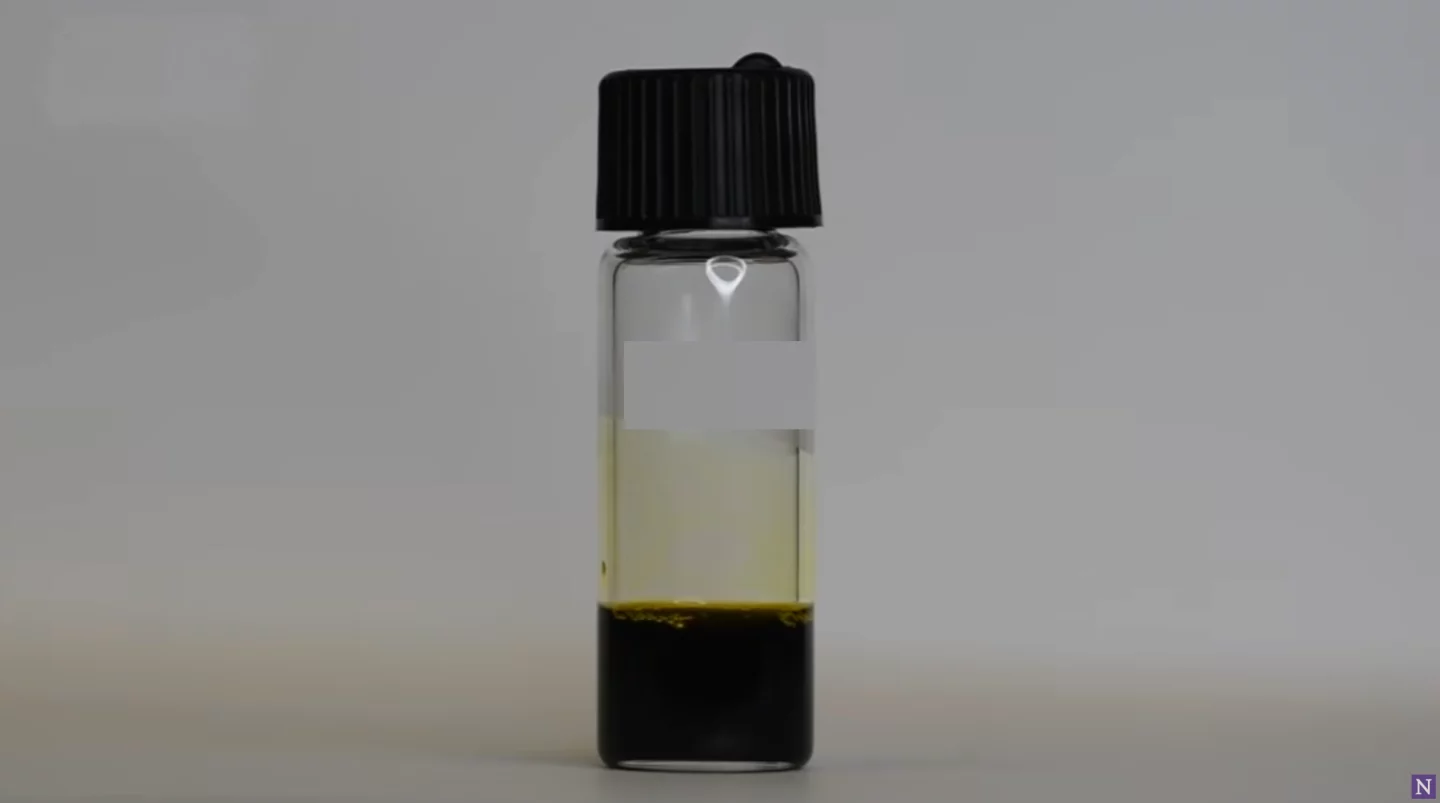
💡Novel energy storage material that could enable long-endurance, self-powering AI hardware and robotics.
⚡ 30-Second TL;DR
What Changed
Material transitions from yellow liquid to black conductive hydrogel when charged.
Why It Matters
This breakthrough in energy storage could revolutionize hardware powering for edge AI devices and autonomous robotics by providing a compact, long-lasting power source.
What To Do Next
Monitor research on self-assembling conductive materials for potential integration into future low-power, long-endurance AI hardware designs.
Key Points
- •Material transitions from yellow liquid to black conductive hydrogel when charged.
- •Charging triggers include visible light, current, chemical fuel, or X-rays.
- •Capable of long-term electron storage for months in anaerobic conditions.
- •Releases stored electrons upon contact with oxygen to provide oxidation power.
🧠 Deep Insight
AI-generated analysis for this event — not the original article.
🔑 Enhanced Key Takeaways
- •The material utilizes a molecular design based on redox-active molecules that undergo a reversible phase transition, effectively trapping electrons within a supramolecular network.
- •The transition to a hydrogel state is driven by the self-assembly of molecules into nanofibers, which creates a conductive pathway for electron transport.
- •Researchers have identified potential applications in 'on-demand' chemical synthesis, where the material acts as a portable, rechargeable reagent for oxidation reactions.
- •The system demonstrates high stability in its charged state due to the kinetic barrier preventing spontaneous electron release in the absence of oxygen.
- •This technology represents a shift toward 'liquid batteries' or redox-flow-inspired materials that can be processed using standard fluid handling techniques.
🛠️ Technical Deep Dive
- Material composition involves redox-active organic molecules capable of multi-electron transfer processes.
- Phase transition mechanism relies on light-induced or electrochemical-induced self-assembly into a nanofibrillar hydrogel network.
- Electron storage capacity is governed by the density of redox centers within the supramolecular structure.
- Oxygen-triggered discharge functions via a controlled oxidation mechanism that reverts the hydrogel back to its liquid state.
- Conductivity is achieved through the formation of a percolating network of nanofibers that facilitates charge carrier mobility.
🔮 Future ImplicationsAI analysis grounded in cited sources
⏳ Timeline
Weekly AI Recap
Read this week's curated digest of top AI events →
👉Related Updates



AI-curated news aggregator. All content rights belong to original publishers.
Original source: cnBeta (Full RSS) ↗
This is a summary, not the original. Read the source, or get the weekly briefing.
Weekly AI briefing
One email a week. Unsubscribe anytime.