New Antibiotic Megacluster Discovery Targets Superbugs
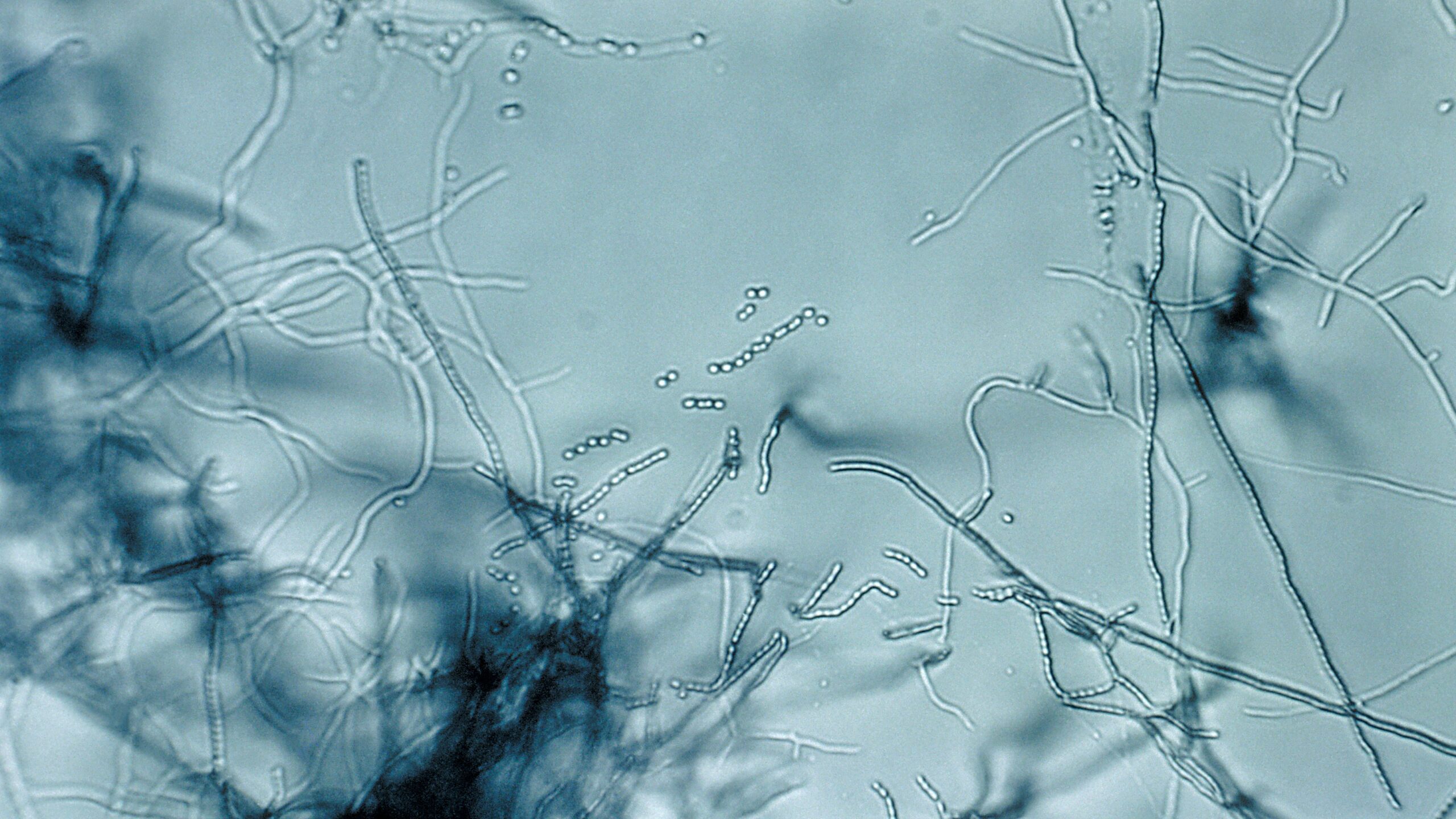
Learn how genomic data mining and AI are accelerating the discovery of new life-saving antibiotics.
30-Second TL;DR
What Changed
Discovery of a novel antibiotic megacluster for clinical use.
Why It Matters
This discovery could fundamentally shift how pharmaceutical researchers approach drug development for infectious diseases. It highlights the potential for AI-driven genomic mining to accelerate the identification of complex biological compounds.
What To Do Next
Explore public genomic datasets using AI-based BGC prediction tools like antiSMASH to identify similar novel compound clusters.
Key Points
- •Discovery of a novel antibiotic megacluster for clinical use.
- •Provides a new mechanism to combat multi-drug resistant superbugs.
- •Represents a critical step in replenishing the global antibiotic arsenal.
Deep Insight
AI-generated analysis for this event — not the original article.
Enhanced Key Takeaways
- •The discovery utilizes AI-driven genomic mining to identify biosynthetic gene clusters (BGCs) that were previously overlooked by traditional screening methods.
- •The megacluster specifically targets the cell wall synthesis pathway of Gram-negative bacteria, a class of pathogens notoriously difficult to treat due to their outer membrane.
- •Researchers employed a 'molecular networking' approach to map the chemical diversity of the cluster, revealing structural analogs that may reduce toxicity compared to existing antibiotics.
- •The study highlights the use of metagenomic sequencing from extreme environments, such as deep-sea hydrothermal vents, to source these novel genetic sequences.
- •Preliminary in vivo studies indicate the compound maintains efficacy against carbapenem-resistant Enterobacteriaceae (CRE) strains in murine models.
Technical Deep Dive
- Mechanism of Action: Inhibition of peptidoglycan biosynthesis via binding to the Lipid II precursor.
- Computational Pipeline: Integration of antiSMASH 7.0 for BGC identification and AlphaFold-Multimer for predicting protein-ligand binding affinities.
- Chemical Structure: Characterized as a non-ribosomal peptide (NRP) scaffold with a unique macrocyclic core.
- Delivery Method: Investigated for potential conjugation with siderophores to enhance penetration through the Gram-negative outer membrane.
Future ImplicationsAI analysis grounded in cited sources
Timeline
- 2024-03Initial genomic screening of extreme environment samples begins.
- 2025-01AI model identifies the novel megacluster sequence.
- 2025-11Successful synthesis of the lead antibiotic compound in the laboratory.
- 2026-05Completion of successful in vivo efficacy studies against superbug strains.
Weekly AI Recap
Read this week's curated digest of top AI events →
Related Updates

AI-curated news aggregator. All content rights belong to original publishers.
Original source: Ars Technica ↗
This is a summary, not the original. Read the source, or get the weekly briefing.
The weekly digest
One email a week. Unsubscribe anytime.