Nevada Energy Sues Data Center Developer
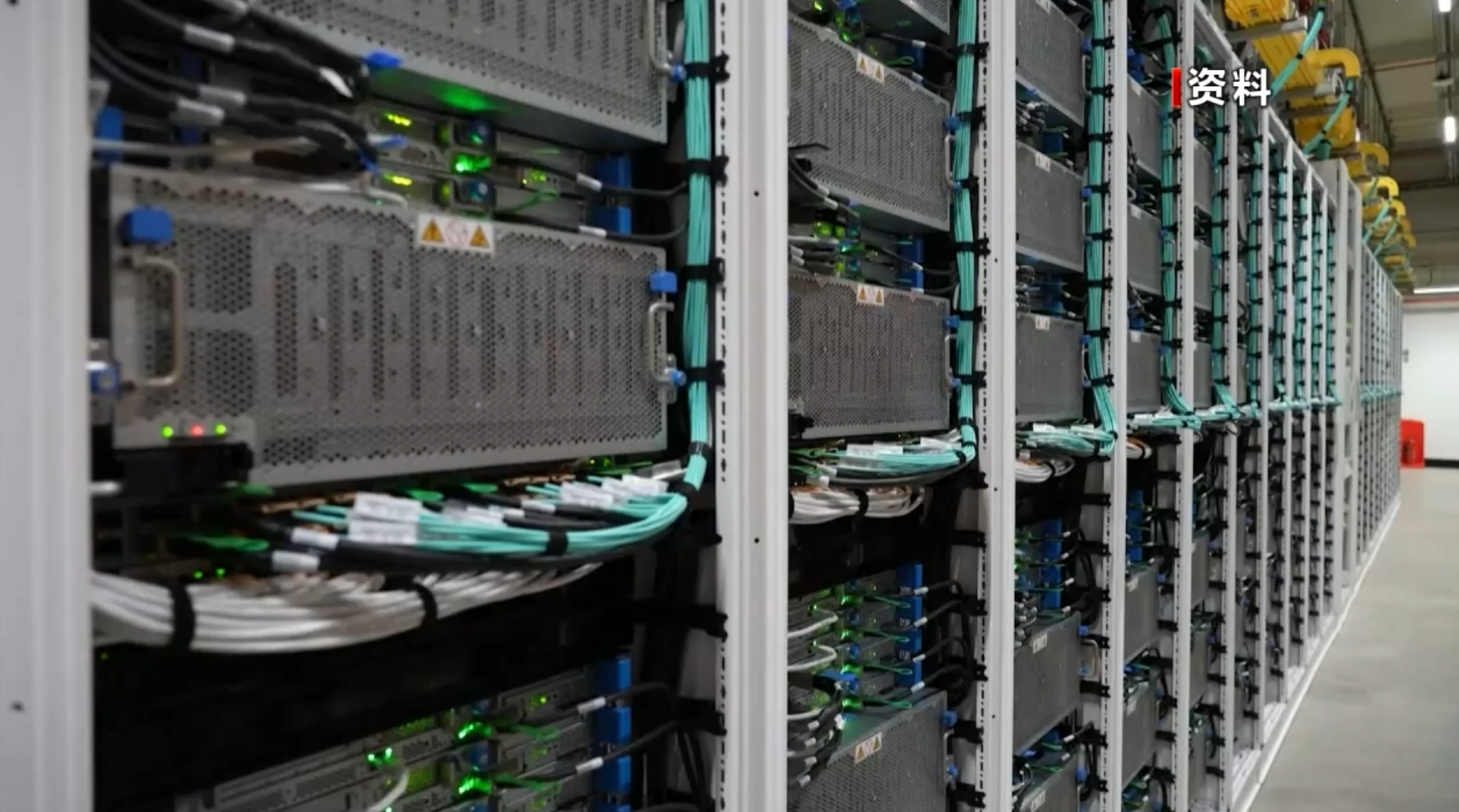
AI data centers need power—this lawsuit highlights who may ultimately pay for rising electricity demand.
30-Second TL;DR
What Changed
Nevada Energy is suing a data center developer over electricity cost allocation.
Why It Matters
Large AI workloads can create substantial electricity demand, making power-cost allocation a material factor in data center economics. The lawsuit could increase scrutiny of how utilities structure rates and connect high-consumption computing facilities to the grid.
What To Do Next
Use AWS Pricing Calculator to model GPU-cluster power and infrastructure costs under multiple electricity-price scenarios before committing to a data center location.
Key Points
- •Nevada Energy is suing a data center developer over electricity cost allocation.
- •The developer is building data center facilities in Nevada.
- •The utility claims ordinary consumers could bear costs linked to the project.
Deep Insight
AI-generated analysis for this event — not the original article.
Enhanced Key Takeaways
- •The lawsuit specifically involves NV Energy (a subsidiary of Berkshire Hathaway Energy) and the developer 'Switch', focusing on a dispute over the 'Economic Development Rate' (EDR) program.
- •NV Energy alleges that Switch is attempting to bypass standard cost-recovery mechanisms, which the utility argues would force residential and small business customers to subsidize the infrastructure upgrades required for massive data center power loads.
- •The conflict centers on the interpretation of Nevada's 'Green Chips' legislation and whether data center developers qualify for specific utility rate discounts intended for manufacturing and economic diversification.
- •Regulators at the Public Utilities Commission of Nevada (PUCN) are currently reviewing whether the proposed power agreements violate the 'cost-causation' principle, which dictates that those who cause costs should pay for them.
- •This legal battle highlights a growing trend in the U.S. where utilities are pushing back against the rapid load growth caused by AI and cloud computing data centers, citing grid reliability and ratepayer protection concerns.
Technical Deep Dive
- Data center power requirements for modern AI-focused facilities often exceed 100MW per site, necessitating dedicated substation construction and high-voltage transmission line upgrades.
- The dispute involves the calculation of 'incremental load' versus 'base load' in utility rate modeling, specifically how to allocate the capital expenditure (CAPEX) for grid hardening.
- NV Energy utilizes a 'Cost of Service Study' (COSS) methodology to determine rate classes, which the developer is challenging to reclassify their energy consumption profile.
Future ImplicationsAI analysis grounded in cited sources
Timeline
- 2023-06Nevada legislature passes economic development incentives for data centers.
- 2025-02NV Energy files formal petition with the PUCN regarding cost allocation for large-scale industrial loads.
- 2026-05Negotiations between NV Energy and the developer reach an impasse over infrastructure cost-sharing.
- 2026-07NV Energy officially files suit in district court to resolve the rate dispute.
Weekly AI Recap
Read this week's curated digest of top AI events →
Related Updates

AI-curated news aggregator. All content rights belong to original publishers.
Original source: cnBeta (Full RSS) ↗
This is a summary, not the original. Read the source, or get the weekly briefing.
The weekly digest
One email a week. Unsubscribe anytime.