Neuralink completes first human brain-computer interface implant
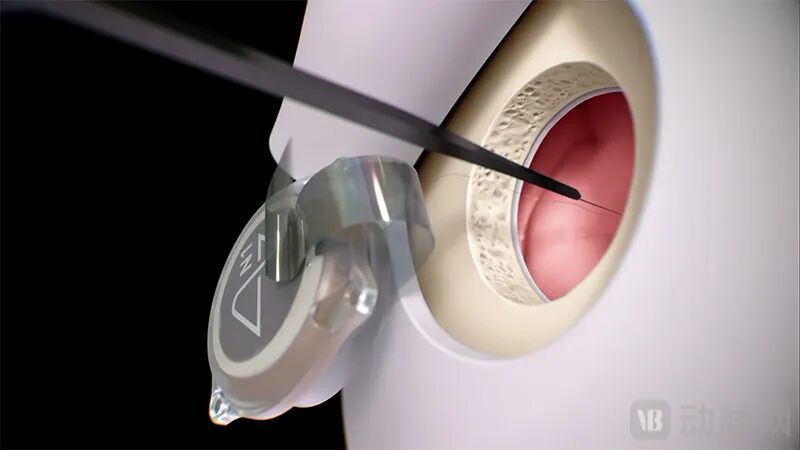
💡The first human BCI implant by Neuralink signals a massive leap in neuro-tech and human-computer interaction.
⚡ 30-Second TL;DR
What Changed
Neuralink achieved the first successful human BCI implantation.
Why It Matters
This breakthrough accelerates the development of neuro-technology and potential human-AI integration, setting a new standard for medical device surgery.
What To Do Next
Monitor the clinical trial data releases from Neuralink to understand the latency and data throughput of the BCI interface.
Key Points
- •Neuralink achieved the first successful human BCI implantation.
- •The surgical procedure is significantly less invasive than traditional methods.
- •This marks a major milestone in the commercialization of brain-computer interfaces.
🧠 Deep Insight
AI-generated analysis for this event — not the original article.
🔑 Enhanced Key Takeaways
- •The implant, known as the 'Link,' utilizes 1,024 electrodes distributed across 64 flexible threads, which are thinner than a human hair to minimize tissue damage.
- •Neuralink's surgical robot, the R1, is specifically designed to perform the high-precision insertion of these threads into the motor cortex autonomously.
- •The device is powered by an inductive charging system, allowing the user to charge the implant wirelessly through a wearable device that resembles a headset.
- •The primary clinical goal of the initial human trials is to enable individuals with quadriplegia to control external devices, such as computer cursors or keyboards, using only their thoughts.
- •Neuralink received FDA Breakthrough Device Designation in 2020, which accelerated the regulatory review process leading up to the first human clinical trial.
📊 Competitor Analysis▸ Show
| Competitor | Technology Approach | Key Focus | Status |
|---|---|---|---|
| Synchron | Stentrode (Endovascular) | Minimally invasive via blood vessels | Human trials ongoing |
| Blackrock Neurotech | Utah Array (Penetrating) | High-bandwidth research | Long-term clinical use |
| Precision Neuroscience | Layer 7 Cortical Interface | Surface-level (non-penetrating) | Human trials ongoing |
🛠️ Technical Deep Dive
- Device Architecture: The Link is a coin-sized implant containing a custom ASIC (Application-Specific Integrated Circuit) for signal processing and wireless data transmission.
- Electrode Array: Features 1,024 recording channels across 64 threads, designed to record neural spikes from the motor cortex.
- Surgical Implementation: The R1 robot uses computer vision and optical coherence tomography to avoid blood vessels during thread insertion.
- Data Transmission: Employs a proprietary wireless protocol to stream neural data to an external receiver, which then processes the intent of the user.
🔮 Future ImplicationsAI analysis grounded in cited sources
⏳ Timeline
Weekly AI Recap
Read this week's curated digest of top AI events →
👉Related Updates



AI-curated news aggregator. All content rights belong to original publishers.
Original source: 钛媒体 ↗
This is a summary, not the original. Read the source, or get the weekly briefing.
The weekly digest
One email a week. Unsubscribe anytime.