NEC’s AI-vs-AI Cyber Defense Strategy
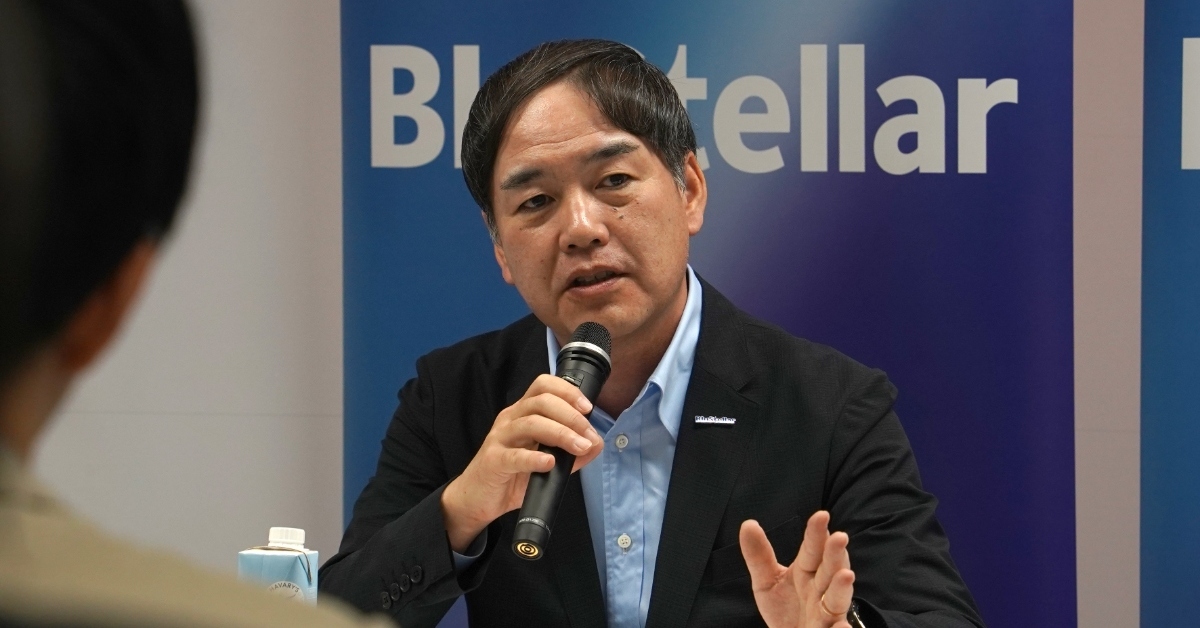
💡See how NEC plans to turn frontier AI into a Japanese cyber-defense advantage.
⚡ 30-Second TL;DR
What Changed
NEC executives describe future cybersecurity as an AI-versus-AI contest.
Why It Matters
AI-enabled attacks could raise the speed and scale of threats, making automated defense increasingly necessary. NEC’s approach also highlights the strategic importance of partnerships between Japanese infrastructure providers and frontier-model companies.
What To Do Next
Prototype an Anthropic-powered threat-triage workflow in a sandbox, requiring human approval before any containment or remediation action.
Key Points
- •NEC executives describe future cybersecurity as an AI-versus-AI contest.
- •The strategy responds to the growing challenge of indiscriminate cyberattacks.
- •NEC is working with Anthropic and other US AI companies.
- •The article explores how frontier AI could become part of Japan’s cyber-defense advantage.
🧠 Deep Insight
Background and context from public sources — not the original article. 9 sources cited.
🔑 Enhanced Key Takeaways
- •NEC is launching 'Blue Stella Intelligent Managed Service' in late September 2026 to automate network asset management and threat remediation.
- •The defense architecture utilizes a hybrid model combining Anthropic and OpenAI frontier models for detection with NEC’s proprietary 'cotomi' AI for strategic decision-making.
- •NEC’s 'cotomi Security for Industry' technology can autonomously generate virtual patches for WAFs and IDS/IPS by analyzing undisclosed software vulnerabilities.
- •NEC has joined Anthropic’s 'Project Glasswing' to integrate the 'Claude Mythos Preview' model specifically for advanced software analysis and vulnerability detection.
- •The company targets ¥30 billion in revenue from this security service over the next three years, focusing on the financial, manufacturing, and retail sectors.
📊 Competitor Analysis▸ Show
| Feature | NEC (Blue Stella) | Competitor (General Managed AI Security) |
|---|---|---|
| Core AI | Hybrid (cotomi + Anthropic/OpenAI) | Proprietary/Single-vendor LLMs |
| Patching | Automated Virtual Patching | Manual/Semi-automated |
| Focus | Critical Infrastructure/Industry | General Enterprise |
| Revenue Target | ¥30B (3-year) | Varies by provider |
🛠️ Technical Deep Dive
- Hybrid AI Architecture: Orchestrates high-performance frontier models (Anthropic/OpenAI) for pattern recognition and proprietary cotomi models for high-level logic and priority assessment.
- Automated Vulnerability Management: Uses cotomi Security for Industry to map vulnerabilities against CISA and international severity criteria.
- Virtual Patching: Generates real-time configuration updates for WAF (Web Application Firewall) and IDS/IPS (Intrusion Detection/Prevention Systems) to mitigate zero-day risks.
- Integration: Leverages Claude Mythos Preview for deep code analysis and automated threat hunting within the Project Glasswing framework.
🔮 Future ImplicationsAI analysis grounded in cited sources
⏳ Timeline
📎 Sources (9)
Factual claims are grounded in the sources below. Forward-looking analysis is AI-generated interpretation.
Weekly AI Recap
Read this week's curated digest of top AI events →
👉Related Updates

AI-curated news aggregator. All content rights belong to original publishers.
Original source: ITmedia AI+ (日本) ↗
This is a summary, not the original. Read the source, or get the weekly briefing.
Weekly AI briefing
One email a week. Unsubscribe anytime.