NASA X-59 Prepares for First Supersonic Flight Test
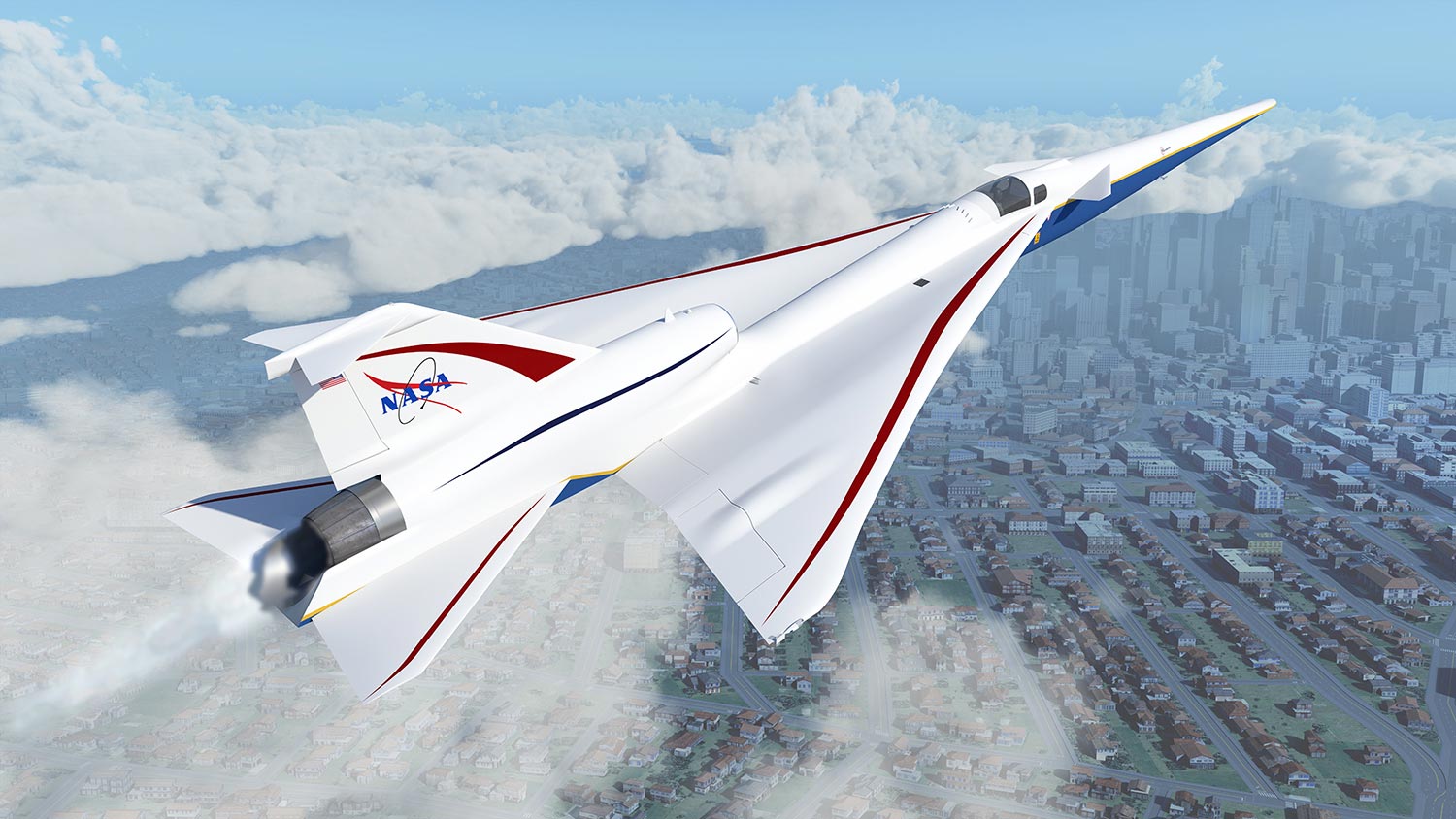
💡See how advanced aerodynamic simulation and noise control are shaping the future of high-speed transportation.
⚡ 30-Second TL;DR
What Changed
X-59 features a unique aerodynamic design to mitigate sonic booms.
Why It Matters
If successful, this technology could revolutionize long-distance travel logistics and aviation infrastructure.
What To Do Next
Monitor NASA's public flight data releases to understand how advanced aerodynamic modeling is applied in real-world physical systems.
Key Points
- •X-59 features a unique aerodynamic design to mitigate sonic booms.
- •The aircraft is the core platform of NASA's Low Boom Flight Demonstrator program.
- •Successful testing could lead to regulatory changes for supersonic commercial travel.
🧠 Deep Insight
Background and context from public sources — not the original article. 17 sources cited.
🔑 Enhanced Key Takeaways
- •The X-59 completed its first flight on October 28, 2025, and has since undergone 14 test flights, reaching speeds up to Mach 0.95 and altitudes of 43,000 feet in subsonic testing, with its first supersonic flight expected in early June 2026.
- •The aircraft is designed to produce a low 75 effective perceived noise level (EPNdB) 'thump' on the ground, significantly quieter than Concorde's 105-110 EPNdB boom, aiming for a sound level comparable to a car door closing.
- •A key technical innovation is the eXternal Vision System (XVS), which replaces a traditional forward-facing window with a 4K cockpit monitor fed by cameras, necessary due to the aircraft's elongated, needle-like nose.
- •The X-59's General Electric F414-GE-100 engine is strategically top-mounted on the fuselage to use the aircraft body as a shield, directing noise away from the ground and reducing the number of shockwaves that reach the surface.
- •The ultimate goal of the Quesst mission is to provide statistically valid data from community overflights to the International Civil Aviation Organization (ICAO) and the Federal Aviation Administration (FAA) by 2027, to inform potential regulatory changes by 2028 that could lift the ban on commercial supersonic flight over land.
🛠️ Technical Deep Dive
- Length and Wingspan: 99.7 ft (30.4 m) long with a 29.5 ft (9.0 m) wingspan.
- Engine: Single General Electric F414-GE-100 engine, producing 22,000 pounds-force (98 kN) of thrust.
- Cruise Speed/Altitude: Expected to cruise at Mach 1.42 (937 mph or 1,510 km/h) at an altitude of 55,000 ft (16,800 m).
- Noise Target: Designed to produce a low 75 EPNdB "thump" on the ground, significantly quieter than Concorde's 105-110 EPNdB boom.
- Aerodynamic Design:
- Long, needle-like nose (almost 30 feet of its length) to shape and stagger forward shock waves, preventing them from merging.
- Canards and stabilators designed to break up the initial pressure rise.
- Rounded bumps on the bottom of the vehicle and stabilator deflection to gentle the slope of the pressure recovery, eliminating the second "bang" of a sonic boom.
- High T-tail design minimizes the aft shock wave.
- Engine top-mounted on the fuselage to use the aircraft body as a shield, directing noise away from the ground.
- Cockpit System: eXternal Vision System (XVS) replaces the forward windscreen with a series of cameras feeding into a 4K augmented reality display for pilot visibility.
- Components: Cockpit, ejection seat, and canopy from a Northrop T-38; landing gear from an F-16.
🔮 Future ImplicationsAI analysis grounded in cited sources
⏳ Timeline
📎 Sources (17)
Factual claims are grounded in the sources below. Forward-looking analysis is AI-generated interpretation.
Weekly AI Recap
Read this week's curated digest of top AI events →
👉Related Updates
AI-curated news aggregator. All content rights belong to original publishers.
Original source: cnBeta (Full RSS) ↗
This is a summary, not the original. Read the source, or get the weekly briefing.
The weekly digest
One email a week. Unsubscribe anytime.