NASA tests in-orbit refueling device for deep space
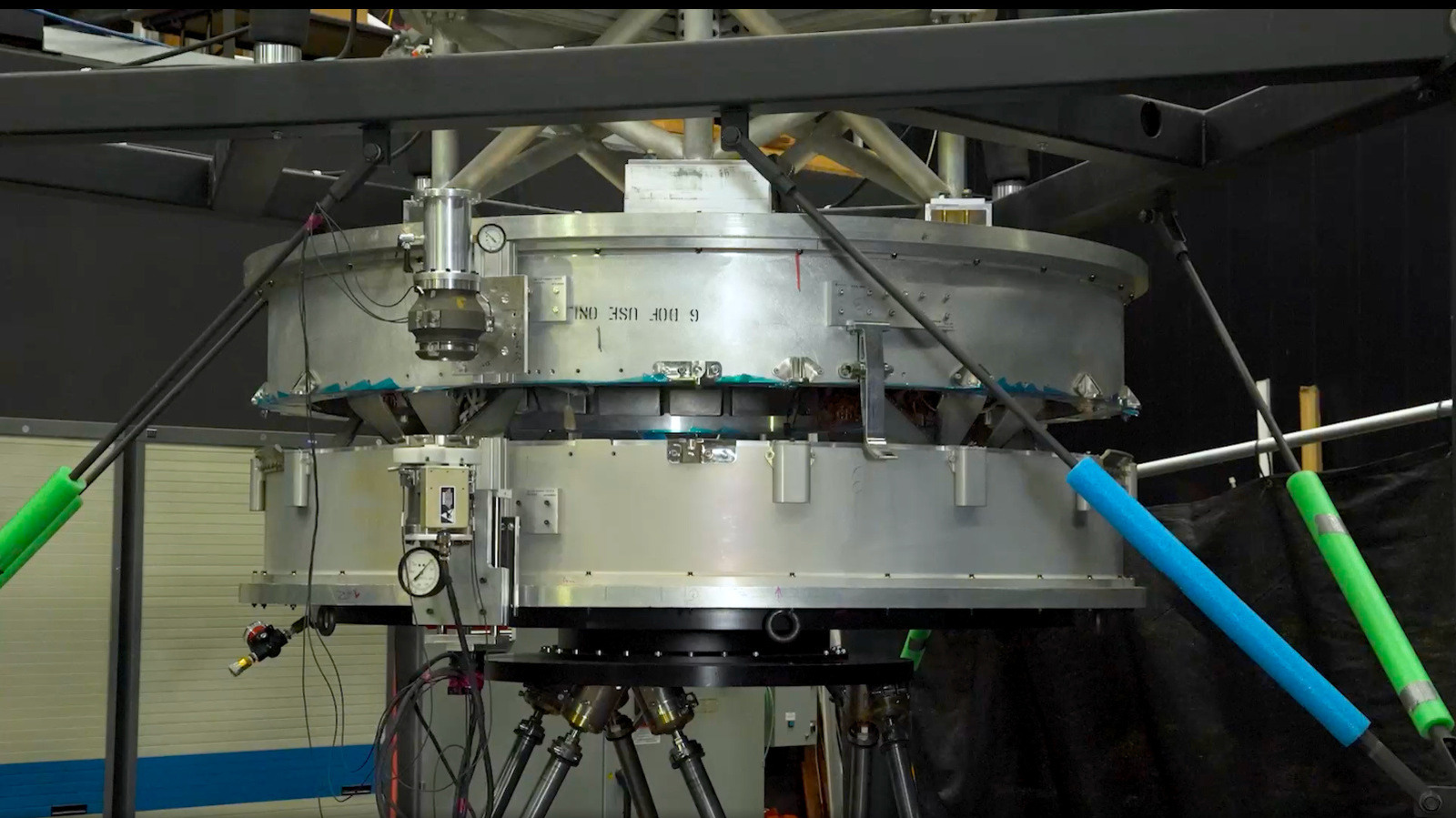
Advancements in autonomous orbital refueling are critical for the future of space-based AI and robotics infrastructure.
30-Second TL;DR
What Changed
NASA is testing a cryocoupler for orbital refueling.
Why It Matters
This technology could significantly extend the lifespan of satellites and spacecraft, reducing the need for frequent launches. It represents a shift toward more sustainable and flexible space infrastructure.
What To Do Next
Monitor L3Harris's public technical disclosures to understand how automated fluid transfer systems might integrate with future autonomous space robotics.
Key Points
- •NASA is testing a cryocoupler for orbital refueling.
- •The hardware was developed in partnership with L3Harris.
- •In-orbit refueling is a key enabler for sustainable deep space missions.
Deep Insight
AI-generated analysis for this event — not the original article.
Enhanced Key Takeaways
- •The cryocoupler technology is specifically designed to manage the transfer of cryogenic propellants like liquid hydrogen and liquid oxygen, which must be kept at extremely low temperatures to prevent boil-off.
- •This testing is part of NASA's broader Cryogenic Fluid Management (CFM) portfolio, aimed at solving the 'boil-off' problem that has historically prevented long-term storage of fuels in space.
- •The L3Harris cryocoupler utilizes advanced materials and seal technologies to ensure leak-free connections in the vacuum of space, addressing the high risk of propellant loss during docking.
- •Successful validation of this hardware is a prerequisite for the Artemis program's long-term lunar infrastructure, specifically for refueling landers and transfer vehicles in cislunar orbit.
- •The project leverages NASA's Tipping Point solicitation, a program where the agency partners with private industry to mature space technologies that have reached a critical stage of development.
Competitor Analysis
- L3Harris Cryocoupler
- Cryogenic fluid coupling
- Orbit Fab (Gas Stations in Space)
- Modular fuel depots
- Starship Refueling (SpaceX)
- Rapid propellant transfer
- L3Harris Cryocoupler
- Technology demonstration
- Orbit Fab (Gas Stations in Space)
- Early commercial deployment
- Starship Refueling (SpaceX)
- Flight testing phase
- L3Harris Cryocoupler
- Government/Deep Space
- Orbit Fab (Gas Stations in Space)
- Commercial/LEO/GEO
- Starship Refueling (SpaceX)
- Heavy-lift/Mars missions
| Feature | L3Harris Cryocoupler | Orbit Fab (Gas Stations in Space) | Starship Refueling (SpaceX) |
|---|---|---|---|
| Primary Focus | Cryogenic fluid coupling | Modular fuel depots | Rapid propellant transfer |
| Maturity | Technology demonstration | Early commercial deployment | Flight testing phase |
| Target Market | Government/Deep Space | Commercial/LEO/GEO | Heavy-lift/Mars missions |
Technical Deep Dive
- Designed for zero-leak performance under extreme thermal gradients ranging from cryogenic temperatures to solar heating.
- Incorporates automated alignment mechanisms to facilitate docking between uncrewed spacecraft.
- Utilizes specialized thermal insulation and low-conductivity materials to minimize heat soak during the transfer process.
- Engineered to withstand high-pressure fluid transfer cycles without degradation of the sealing interface.
- Integrates with existing NASA docking standards to ensure compatibility with future modular spacecraft architectures.
Future ImplicationsAI analysis grounded in cited sources
Timeline
- 2020-09NASA announces Tipping Point selections including cryogenic fluid management technologies.
- 2023-05L3Harris completes preliminary design review for advanced cryogenic coupling hardware.
- 2025-11Ground-based vacuum chamber testing of the cryocoupler prototype begins.
- 2026-06NASA confirms successful completion of initial cryocoupler performance tests.
Event Coverage
Weekly AI Recap
Read this week's curated digest of top AI events →
Related Updates

AI-curated news aggregator. All content rights belong to original publishers.
Original source: Engadget ↗
This is a summary, not the original. Read the source, or get the weekly briefing.
The weekly digest
One email a week. Unsubscribe anytime.