NASA Shares iPhone Moon Mission Photos
💡Apple hardware aces space test: key for rugged AI mobile/infra deployments
⚡ 30-Second TL;DR
What Changed
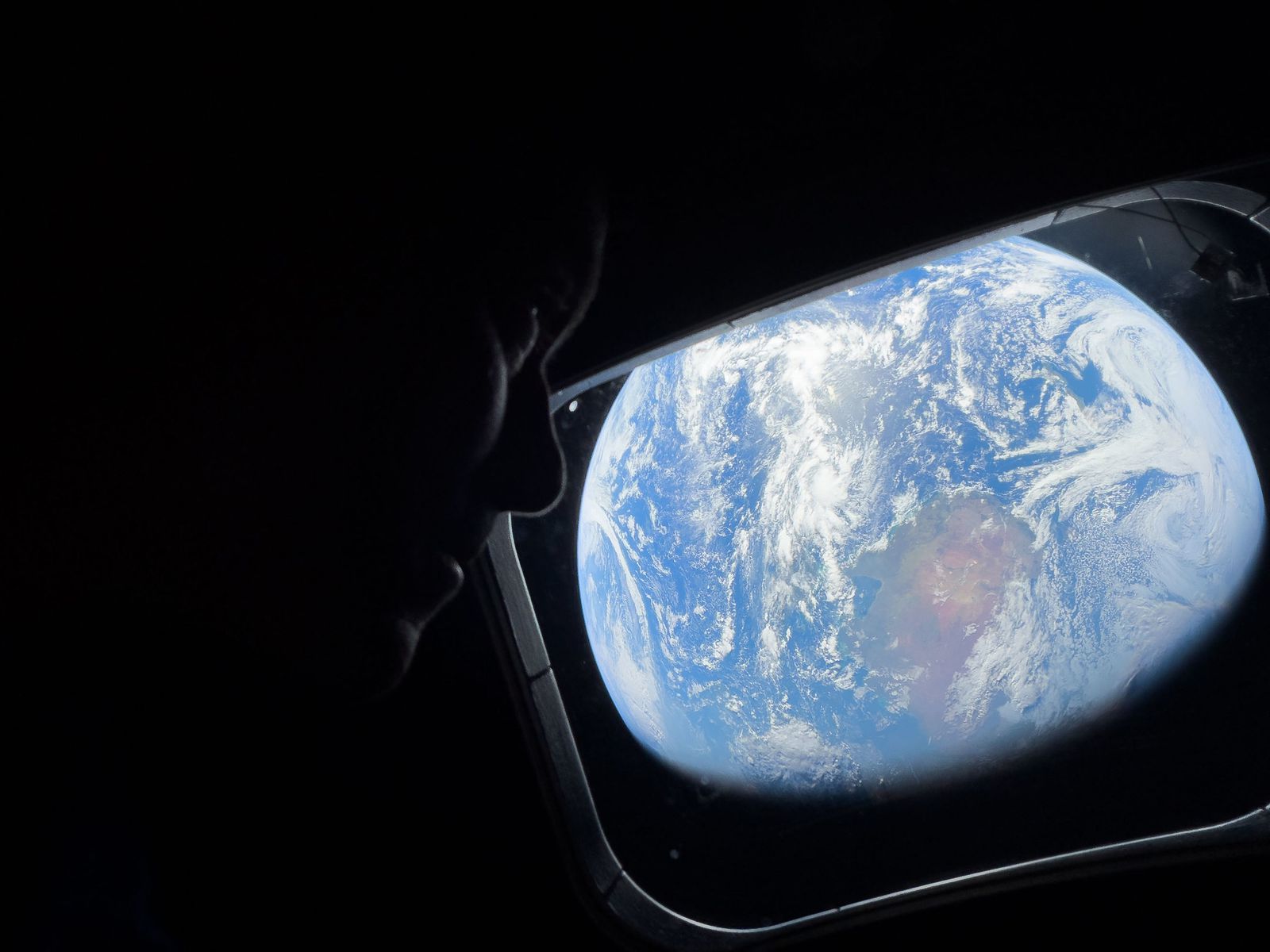
NASA published three cabin photos from Artemis II mission taken with iPhone 17 Pro Max
Why It Matters
Highlights iPhone's extreme durability, relevant for deploying AI edge devices in harsh environments like space or remote ops.
What To Do Next
Test iPhone 17 Pro Max Vision framework for computer vision in extreme conditions.
Key Points
- •NASA published three cabin photos from Artemis II mission taken with iPhone 17 Pro Max
- •iPhone certified for long-term orbital use by NASA in February this year
- •All four Orion astronauts equipped with iPhone 17 Pro Max for personal imaging
- •Records precious moments en route to the moon
🧠 Deep Insight
AI-generated analysis for this event — not the original article.
🔑 Enhanced Key Takeaways
- •The iPhone 17 Pro Max integration utilizes a custom-developed, radiation-hardened housing enclosure designed by NASA's Johnson Space Center to mitigate the effects of high-energy cosmic rays on the device's CMOS sensors.
- •NASA's February certification process involved rigorous vacuum chamber testing to ensure the device's lithium-ion battery chemistry remains stable under extreme thermal cycling and low-pressure environments typical of the Orion spacecraft cabin.
- •The images released were processed using a specialized NASA-developed software pipeline that corrects for 'space-induced noise'—artifacts caused by ionizing radiation hitting the camera sensor during long-exposure shots.
🛠️ Technical Deep Dive
- •Device: iPhone 17 Pro Max (Space-Certified Variant).
- •Modification: Custom aluminum-titanium alloy chassis with integrated thermal heat-sink interface for passive cooling in microgravity.
- •Sensor Protection: Lead-glass shielding over the camera module to reduce pixel 'hot spots' caused by cosmic ray strikes.
- •Software: iOS 19.x 'Artemis Edition' with restricted background processes to minimize CPU heat generation and power consumption.
- •Connectivity: Data offloading via encrypted, hard-wired USB-C interface to the Orion Data Management System (DMS) rather than wireless transmission to prevent EMI interference with spacecraft navigation.
🔮 Future ImplicationsAI analysis grounded in cited sources
⏳ Timeline
📰 Event Coverage
Weekly AI Recap
Read this week's curated digest of top AI events →
👉Related Updates
AI-curated news aggregator. All content rights belong to original publishers.
Original source: cnBeta (Full RSS) ↗
This is a summary, not the original. Read the source, or get the weekly briefing.
The weekly digest
One email a week. Unsubscribe anytime.