NASA project costs balloon to $5.9 billion
Learn how to avoid massive project failures by applying better oversight and predictive analytics to your operations.
30-Second TL;DR
What Changed
Contract values increased by over 100% during the project lifecycle
Why It Matters
Highlights the critical need for better project management and AI-driven predictive modeling in large-scale government engineering contracts.
What To Do Next
Implement automated cost-tracking and anomaly detection tools to prevent budget creep in your own development pipelines.
Key Points
- •Contract values increased by over 100% during the project lifecycle
- •13-year development timeline failed to meet efficiency targets
- •Report provides justification for strategic project cancellations
Deep Insight
AI-generated analysis for this event — not the original article.
Enhanced Key Takeaways
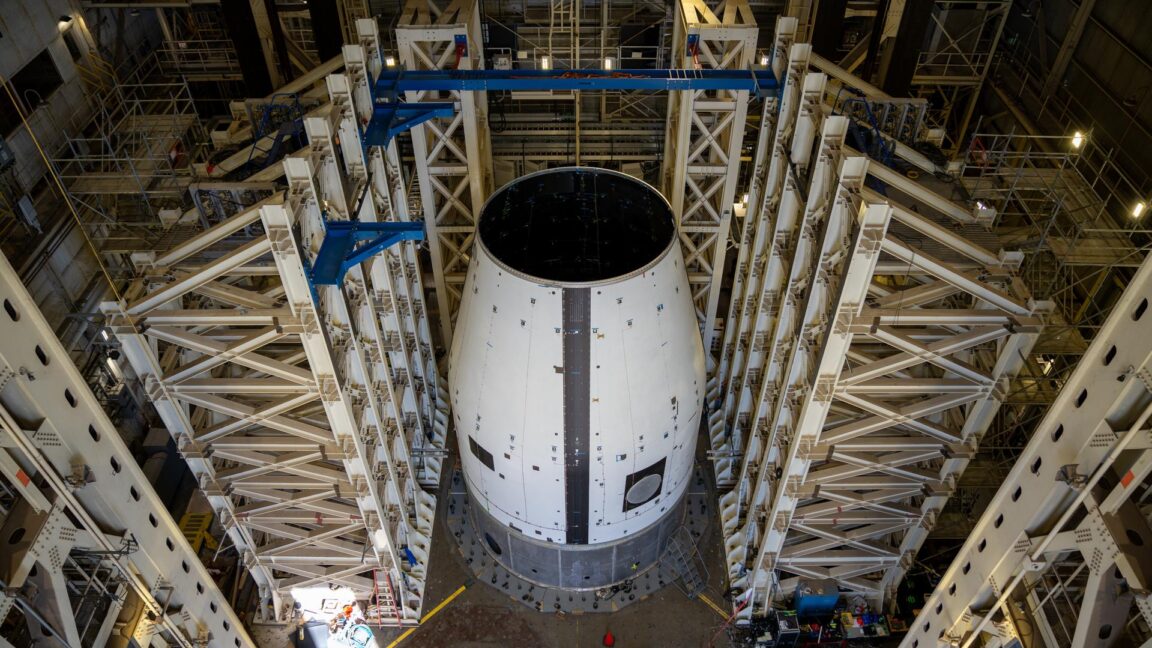
- •The cost overruns are specifically tied to the Space Launch System (SLS) Universal Stage Adapter (USA) contract, which was originally awarded to Dynetics.
- •A NASA Office of Inspector General (OIG) report identified that the project's cost growth was driven by significant design changes, technical challenges, and schedule delays.
- •The Universal Stage Adapter was intended to connect the SLS core stage to the Exploration Upper Stage, a critical component for future Artemis missions.
- •NASA's decision to cancel the project follows a broader trend of the agency shifting toward commercial procurement models to mitigate the high costs associated with traditional cost-plus contracts.
- •The project's original scope was significantly expanded during its 13-year lifecycle, contributing to the complexity and financial instability of the contract.
Technical Deep Dive
- The Universal Stage Adapter (USA) was designed as a 10-meter diameter structure to house the Exploration Upper Stage (EUS) and payload fairing.
- It serves as the structural interface between the SLS Block 1B vehicle's core stage and the upper stage, requiring complex load-bearing capabilities for launch.
- The design included integrated avionics and environmental control systems to protect payloads during the ascent phase.
- The project faced integration hurdles due to the evolving requirements of the Artemis mission architecture and the need to accommodate larger, more diverse payloads.
Future ImplicationsAI analysis grounded in cited sources
Timeline
- 2013-01NASA begins initial development and planning for SLS stage adapter components.
- 2020-06Dynetics is awarded the contract for the Universal Stage Adapter.
- 2024-09NASA OIG releases audit highlighting significant cost growth and schedule slippage.
- 2026-05NASA officially announces the cancellation of the Universal Stage Adapter project.
Weekly AI Recap
Read this week's curated digest of top AI events →
AI-curated news aggregator. All content rights belong to original publishers.
Original source: Ars Technica ↗
This is a summary, not the original. Read the source, or get the weekly briefing.
The weekly digest
One email a week. Unsubscribe anytime.