Musk: 2026 Singularity, Humans as AI Boot Disk
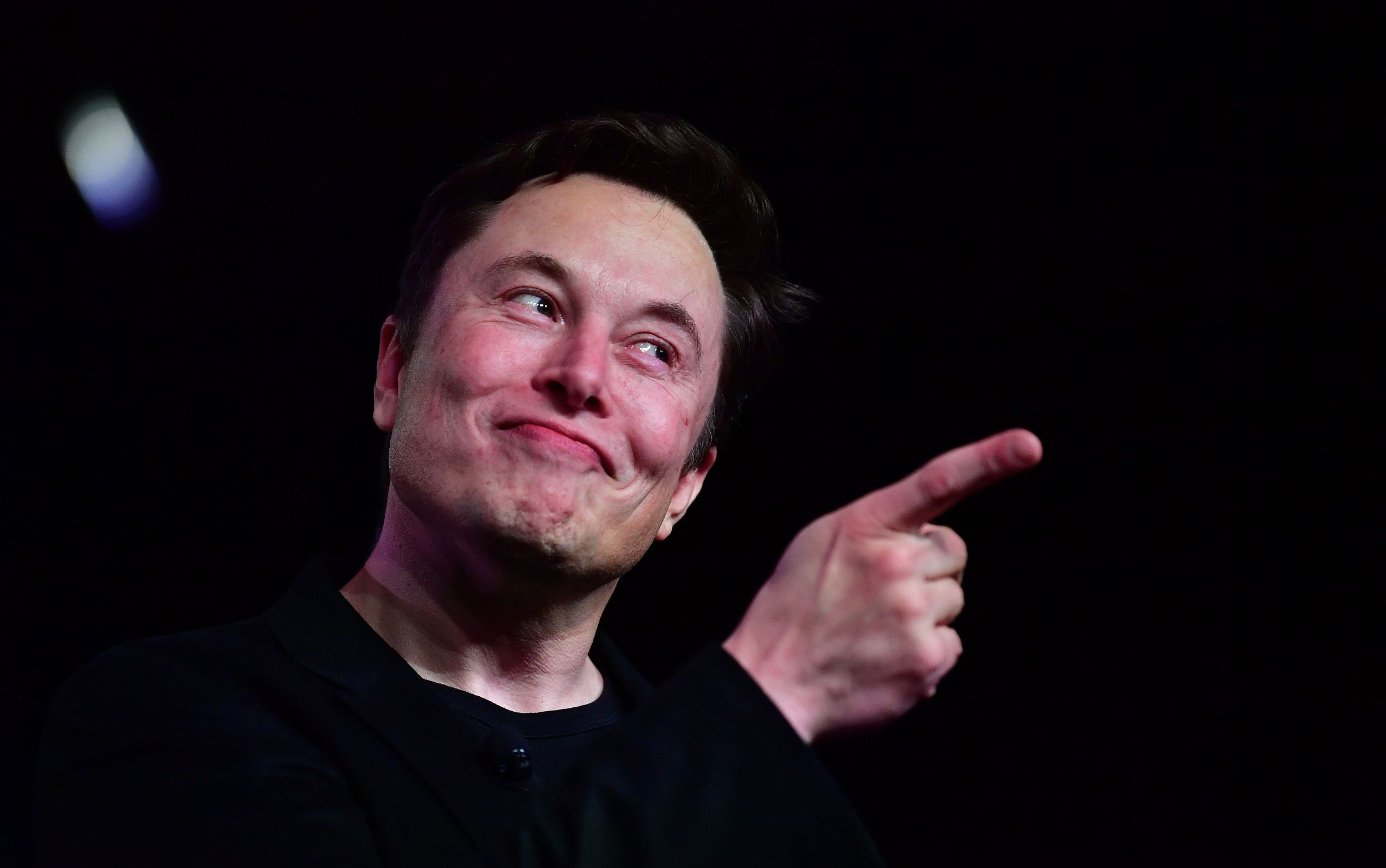
💡Musk's 2026 singularity prediction + power grid as AI's new limiter
⚡ 30-Second TL;DR
What Changed
Musk predicts AI singularity crossing in 2026
Why It Matters
Highlights accelerating AI dominance and energy infrastructure as the next bottleneck for scaling compute resources.
What To Do Next
Audit your AI cluster's power draw and explore grid-independent energy solutions.
Key Points
- •Musk predicts AI singularity crossing in 2026
- •Humans described as mere 'carbon-based startup disk' for AI
- •North America shifts from GPU to power grid anxiety
🧠 Deep Insight
Background and context from public sources — not the original article. 4 sources cited.
🔑 Enhanced Key Takeaways
- •Musk's singularity prediction centers on exponential acceleration rather than a discrete threshold event—the inflection point occurs when AI's rate of improvement becomes non-linear, compounding across continual learning systems, robotics, and autonomous infrastructure simultaneously[1][2].
- •Recursive self-improvement represents the technical mechanism Musk emphasizes: AI systems achieving sufficient capability to autonomously enhance their own intelligence, creating a feedback loop that transcends human-directed optimization[2].
- •Neuralink's cognitive enhancement pathway forms part of Musk's broader singularity vision, positioning human-AI integration (rather than AI-only advancement) as the complete realization of technological singularity as originally conceived by Kurzweil[2].
🔮 Future ImplicationsAI analysis grounded in cited sources
⏳ Timeline
📎 Sources (4)
Factual claims are grounded in the sources below. Forward-looking analysis is AI-generated interpretation.
Weekly AI Recap
Read this week's curated digest of top AI events →
👉Related Updates

AI-curated news aggregator. All content rights belong to original publishers.
Original source: 钛媒体 ↗
This is a summary, not the original. Read the source, or get the weekly briefing.
Weekly AI briefing
One email a week. Unsubscribe anytime.