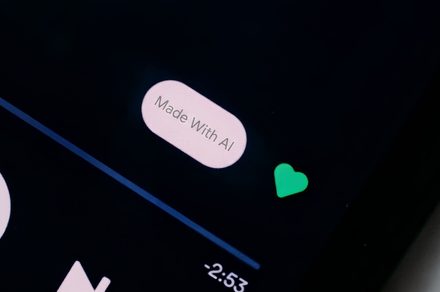
Music industry pushes for AI-generated song warning labels
💡Understand the emerging regulatory and industry standards for labeling AI-generated audio content on major platforms.
⚡ 30-Second TL;DR
What Changed
Music industry groups are lobbying for clear AI-generated content labeling on streaming platforms.
Why It Matters
This move signals a shift toward stricter metadata and disclosure requirements for AI-generated media. It may force developers to integrate provenance tracking into their music generation workflows.
What To Do Next
If you are building music generation tools, implement C2PA or similar provenance standards into your output files now to prepare for future industry labeling requirements.
Key Points
- •Music industry groups are lobbying for clear AI-generated content labeling on streaming platforms.
- •The goal is to provide greater transparency to listeners regarding the origin of music tracks.
- •Streaming giants like Spotify and Apple Music are the primary targets for these new disclosure standards.
🧠 Deep Insight
AI-generated analysis for this event — not the original article.
🔑 Enhanced Key Takeaways
- •The push for labeling is largely driven by the Human Artistry Campaign, a coalition representing artists, songwriters, and record labels concerned about copyright infringement and the devaluation of human creativity.
- •Legislative efforts such as the ELVIS Act in Tennessee have set a precedent for protecting artists' voice and likeness, influencing the industry's demand for platform-level transparency.
- •Streaming platforms are exploring 'watermarking' technologies, such as C2PA standards or inaudible digital signatures, to automatically detect and tag AI-generated audio files.
- •Major labels like Universal Music Group have actively pressured platforms to remove AI-generated tracks that mimic the vocal characteristics of their signed artists without authorization.
- •The debate includes a distinction between 'AI-assisted' music (where AI is a tool for human creators) and 'AI-generated' music (where the output is primarily machine-created), complicating the implementation of a universal labeling standard.
🛠️ Technical Deep Dive
- Implementation of C2PA (Coalition for Content Provenance and Authenticity) metadata standards to embed origin information directly into audio files.
- Use of acoustic fingerprinting and machine learning classifiers to identify synthetic vocal patterns or non-human rhythmic structures.
- Integration of API-based reporting systems where AI music generators (like Suno or Udio) provide metadata tags to streaming platforms upon track ingestion.
🔮 Future ImplicationsAI analysis grounded in cited sources
⏳ Timeline
Weekly AI Recap
Read this week's curated digest of top AI events →
👉Related Updates
AI-curated news aggregator. All content rights belong to original publishers.
Original source: Digital Trends ↗
This is a summary, not the original. Read the source, or get the weekly briefing.
The weekly digest
One email a week. Unsubscribe anytime.