Mucosight AI Screens for Oral Cancer in 30 Seconds
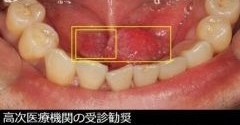
💡A Japan-approved AI tool brings 30-second oral-cancer screening support into dental workflows.
⚡ 30-Second TL;DR
What Changed
Mucosight AI analyzes images of the oral mucosa for disease-related features.
Why It Matters
Regulatory approval gives AI-assisted oral screening a path toward real clinical deployment. If validated in routine dental settings, the tool could help identify patients who need follow-up examinations sooner.
What To Do Next
Evaluate Mucosight AI’s approved indication, image-quality requirements, and clinical validation data before considering a dental-screening integration.
Key Points
- •Mucosight AI analyzes images of the oral mucosa for disease-related features.
- •The system can detect suspected oral cancer in approximately 30 seconds.
- •It supports, rather than replaces, dentists’ decisions about recommending medical examination.
- •The product has obtained manufacturing and marketing approval in Japan.
🧠 Deep Insight
Background and context from public sources — not the original article. 9 sources cited.
🔑 Enhanced Key Takeaways
- •The system was developed through a tripartite collaboration between Osaka University Graduate School of Dentistry, NVIDIA, and J. Morita Tokyo Mfg. Corp.
- •The AI model was trained on a curated dataset of approximately 40,000 oral images, each validated through pathological diagnosis.
- •Beyond oral cancer, the software is specifically programmed to identify leukoplakia, benign tumors, and stomatitis.
- •The interface provides visual feedback by highlighting suspected areas of concern using color-coded bounding boxes on the uploaded images.
- •The software operates as a cloud-based service, requiring dental professionals to upload images to a remote server for processing.
📊 Competitor Analysis▸ Show
| Feature | Mucosight AI | Conventional Visual Inspection | AI-Assisted Screening (General) |
|---|---|---|---|
| Detection Speed | ~30 seconds | Variable (Subjective) | Varies by vendor |
| Diagnostic Support | Pathological-based AI | Practitioner experience | Varies |
| Regulatory Status | MHLW Approved (Japan) | N/A | Varies by region |
| Bounding Box UI | Yes | No | Often included |
🛠️ Technical Deep Dive
- Architecture: Cloud-based Software as a Medical Device (SaMD).
- Training Methodology: Supervised learning utilizing a multi-institutional dataset of 40,000 pathologically confirmed images.
- Processing Workflow: Image upload to cloud, server-side inference, and return of annotated results with bounding box overlays.
- Hardware Integration: Developed in partnership with NVIDIA, leveraging high-performance computing for rapid image analysis.
🔮 Future ImplicationsAI analysis grounded in cited sources
⏳ Timeline
📎 Sources (9)
Factual claims are grounded in the sources below. Forward-looking analysis is AI-generated interpretation.
Weekly AI Recap
Read this week's curated digest of top AI events →
👉Related Updates
AI-curated news aggregator. All content rights belong to original publishers.
Original source: ITmedia AI+ (日本) ↗
This is a summary, not the original. Read the source, or get the weekly briefing.
Weekly AI briefing
One email a week. Unsubscribe anytime.