Moving Past Bots vs. Humans
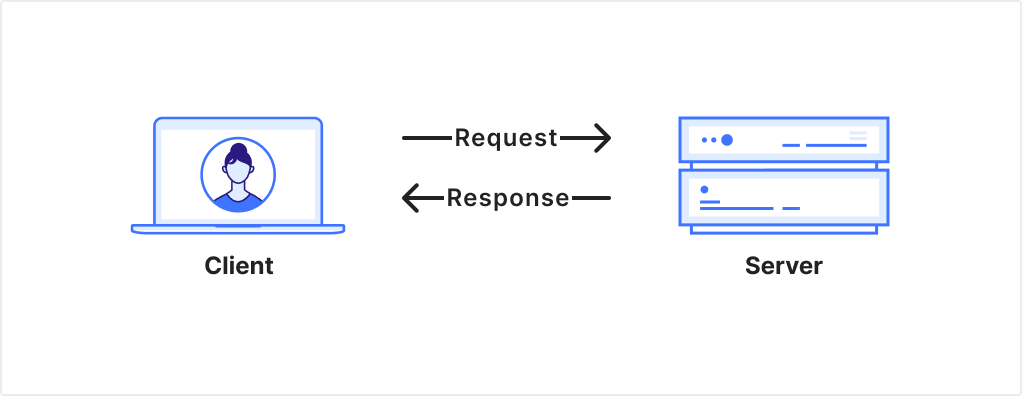
💡Cloudflare redefines web security for AI era: client control + anonymous creds.
⚡ 30-Second TL;DR
What Changed
AI assistants challenge traditional bot detection methods
Why It Matters
This perspective could reshape web security practices for AI-driven interactions, enabling safer AI agent deployments. Developers may need to adapt to credential-based systems for better compatibility.
What To Do Next
Explore Cloudflare's anonymous credentials concept for securing AI web interactions.
Key Points
- •AI assistants challenge traditional bot detection methods
- •Advocates client-side control for accountability
- •Promotes open ecosystem of anonymous credentials
- •Balances user privacy with origin protection from abuse
🧠 Deep Insight
AI-generated analysis for this event — not the original article.
🔑 Enhanced Key Takeaways
- •The shift toward 'Privacy Pass' and similar blind-signature protocols allows servers to verify a user's human status or reputation without tracking their identity or IP address across sessions.
- •Cloudflare's approach leverages the W3C 'Private State Tokens' standard, which enables browsers to issue cryptographic tokens that attest to a user's legitimacy without revealing personal identifiers.
- •The rise of 'headless' AI agents and automated scrapers has rendered traditional IP-based rate limiting ineffective, necessitating a move toward device-attestation and behavioral-analysis models.
📊 Competitor Analysis▸ Show
| Feature | Cloudflare (Bot Management) | Akamai (Bot Manager) | Fastly (Bot Management) |
|---|---|---|---|
| Core Approach | Edge-based ML + Privacy Pass | Behavioral analysis + Fingerprinting | Edge compute + Signal-based detection |
| Privacy Focus | High (Anonymous Credentials) | Moderate | Moderate |
| Deployment | Global Edge Network | Global Edge Network | Programmable Edge (Compute) |
| Pricing | Tiered (Pro/Biz/Ent) | Enterprise Custom | Usage-based/Enterprise |
🛠️ Technical Deep Dive
- Blind Signatures: Utilizes cryptographic protocols where the signer (e.g., an identity provider) signs a token without knowing the content of the token, preventing correlation.
- Private State Tokens (PST): Implements the W3C standard that allows a server to issue a token to a client that can be redeemed later to prove the client has passed a challenge (e.g., CAPTCHA) without linking the two events.
- Edge-Side Attestation: Moves verification logic from the origin server to the CDN edge, reducing latency and preventing malicious traffic from reaching the backend infrastructure.
- Device Attestation: Uses hardware-backed signals (like TPM or Secure Enclave) where available to verify the integrity of the client environment.
🔮 Future ImplicationsAI analysis grounded in cited sources
⏳ Timeline
Weekly AI Recap
Read this week's curated digest of top AI events →
👉Related Updates

AI-curated news aggregator. All content rights belong to original publishers.
Original source: Cloudflare Blog ↗
This is a summary, not the original. Read the source, or get the weekly briefing.
The weekly digest
One email a week. Unsubscribe anytime.