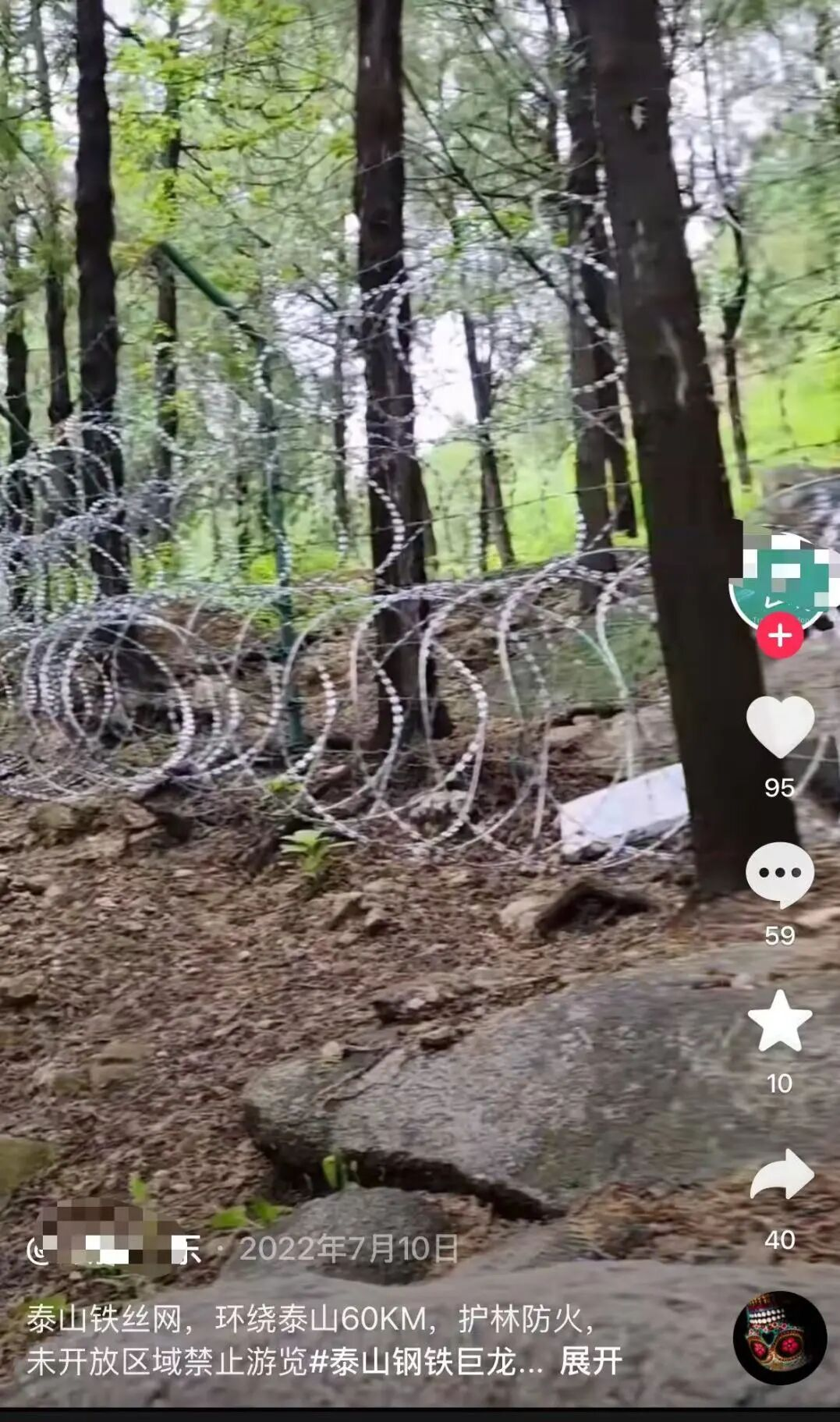
Mount Tai installs razor wire, sparking public controversy
💡A case study on the failure of 'hard' security measures versus AI-driven surveillance in public infrastructure.
⚡ 30-Second TL;DR
What Changed
135km of razor wire installed to block non-tourist areas.
Why It Matters
The incident highlights the tension between administrative safety management and public access to natural heritage sites. It serves as a case study for the limits of 'hard' physical security in public spaces.
What To Do Next
Evaluate the trade-offs between physical barriers and AI-driven monitoring systems when designing security for large-scale outdoor environments.
Key Points
- •135km of razor wire installed to block non-tourist areas.
- •Official justification cites forest fire prevention and safety management.
- •Public criticism focuses on ecological damage, lack of transparency, and potential rescue obstacles.
🧠 Deep Insight
AI-generated analysis for this event — not the original article.
🔑 Enhanced Key Takeaways
- •The installation of the razor wire was specifically concentrated in areas known as 'wild trails' (野路子), which are popular among hikers seeking to bypass official ticketed routes.
- •Local authorities stated that the measure was a response to an increasing number of hikers getting lost or requiring rescue in unmanaged, dangerous terrain.
- •Environmental groups have raised concerns that the razor wire disrupts the migration paths of local wildlife and causes physical injury to animals.
- •The project faced significant backlash on Chinese social media platforms like Weibo, where users questioned whether the cost and severity of the fencing were disproportionate to the stated safety goals.
- •Mount Tai management clarified that the fencing is intended to be a temporary or semi-permanent measure to enforce 'closed management' of high-risk zones during peak fire-prevention seasons.
🔮 Future ImplicationsAI analysis grounded in cited sources
⏳ Timeline
Weekly AI Recap
Read this week's curated digest of top AI events →
👉Related Updates

AI-curated news aggregator. All content rights belong to original publishers.
Original source: 虎嗅 ↗
This is a summary, not the original. Read the source, or get the weekly briefing.
Weekly AI briefing
One email a week. Unsubscribe anytime.