Minnesota bans prediction markets, faces Trump administration lawsuit
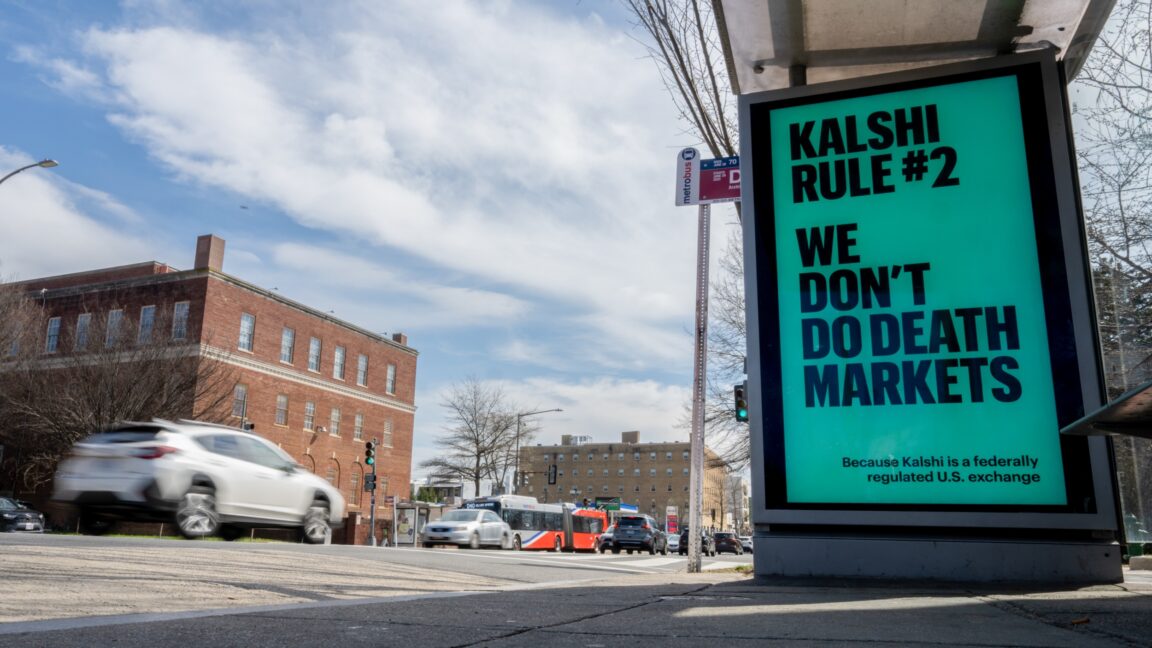
Legal crackdown on prediction markets could impact the deployment of AI-driven forecasting and data aggregation tools.
30-Second TL;DR
What Changed
Minnesota state law now classifies prediction markets as illegal activities.
Why It Matters
This legal battle sets a precedent for how state-level regulations might stifle the growth of decentralized AI-driven forecasting platforms. It highlights the growing tension between emerging predictive technologies and traditional gambling or financial regulations.
What To Do Next
If you are building AI-based forecasting or betting platforms, consult with legal counsel regarding state-specific compliance to avoid felony charges in restrictive jurisdictions.
Key Points
- •Minnesota state law now classifies prediction markets as illegal activities.
- •Operating, creating, or advertising such markets is considered a felony under the new statute.
- •The Trump administration is challenging the law, citing potential conflicts with federal oversight or constitutional rights.
Deep Insight
Background and context from public sources — not the original article. 16 sources cited.
Enhanced Key Takeaways
- •The lawsuit challenging Minnesota's ban was filed by the Commodity Futures Trading Commission (CFTC), a federal agency, which asserts its exclusive jurisdiction over prediction markets as derivative markets under the Commodity Exchange Act (CEA), thereby preempting state gambling laws.
- •Minnesota's new law is the first outright state-level ban on prediction markets, distinguishing it from other states that have primarily sought to restrict or regulate specific types of contracts, particularly sports-related ones, under existing gambling statutes.
- •The ban, scheduled to take effect on August 1st, is being challenged by the CFTC, which argues it would criminalize activities like weather-related event contracts crucial for Minnesota's agricultural industry and could impact entities such as news outlets and sports leagues that have partnerships with prediction market platforms.
- •State lawmakers who spearheaded the Minnesota bill cited concerns that prediction markets are susceptible to insider trading, conflicts of interest, and are designed to skirt existing gambling regulations.
- •This legal battle is part of a broader, ongoing conflict between federal regulators asserting preemption and various state attorneys general and gaming commissions attempting to regulate or ban prediction markets, with some recent federal court rulings favoring federal jurisdiction.
Future ImplicationsAI analysis grounded in cited sources
Timeline
- 1988Iowa Electronic Markets (IEM) launched, operating under a CFTC no-action letter, marking an early instance of regulated prediction markets.
- 2010The Dodd-Frank Act granted the CFTC authority to review event-based contracts for 'gaming' or 'public interest' concerns.
- 2024-10A federal appeals court ruled in favor of Kalshi, allowing regulated election prediction markets, which expanded the scope of CFTC-regulated event contracts.
- 2025-01Kalshi expanded into sports event contracts, intensifying the conflict between federal and state regulatory claims over prediction markets.
- 2026-05Minnesota Governor Tim Walz signed a bill into law, making Minnesota the first state to enact an outright ban on prediction markets.
- 2026-05The Commodity Futures Trading Commission (CFTC) filed a lawsuit against Minnesota, challenging the state-level prohibition on constitutional grounds and asserting federal preemption.
Sources (16)
Factual claims are grounded in the sources below. Forward-looking analysis is AI-generated interpretation.
Weekly AI Recap
Read this week's curated digest of top AI events →
AI-curated news aggregator. All content rights belong to original publishers.
Original source: Ars Technica ↗
This is a summary, not the original. Read the source, or get the weekly briefing.
The weekly digest
One email a week. Unsubscribe anytime.