Microsoft’s OEM Fee Hike May Push PC Prices 5% Higher
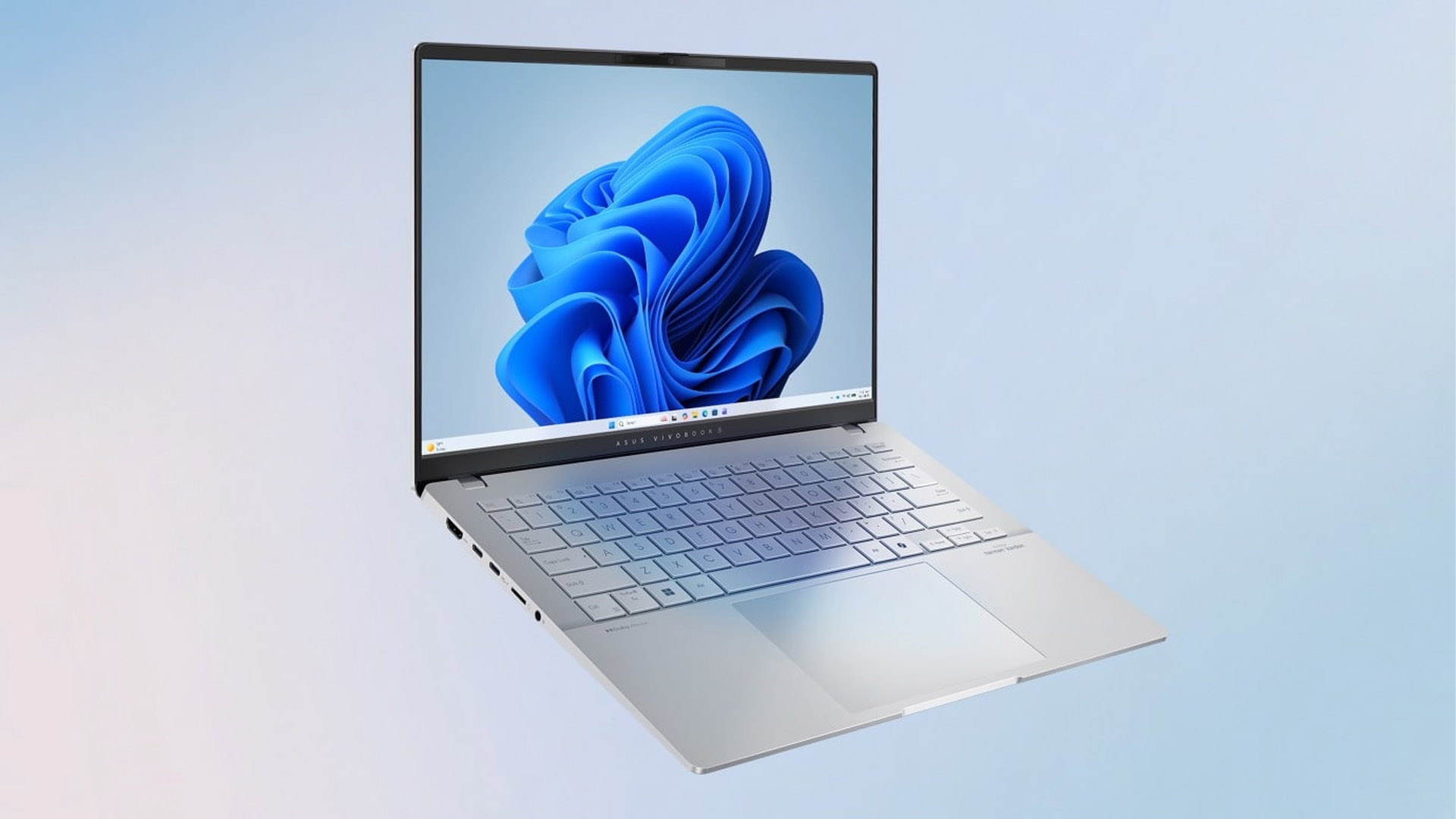
Rising Windows fees and AI-driven hardware costs could change your next workstation or inference deployment budget.
30-Second TL;DR
What Changed
Windows OEM licensing costs have increased for PC manufacturers.
Why It Matters
Higher licensing and component costs may raise the total cost of AI workstations and on-premises inference systems. Startups and enterprises planning hardware purchases may need to revisit budgets, procurement timing, and cloud-versus-local deployment decisions.
What To Do Next
Recalculate your Q3 AI workstation or edge-inference budget using a 5% PC price increase and compare it with equivalent cloud GPU capacity.
Key Points
- •Windows OEM licensing costs have increased for PC manufacturers.
- •AI-driven demand is contributing to higher prices across the hardware supply chain.
- •Memory, SSDs, processors, and motherboards have all reportedly reached new highs since last year.
- •PC system prices are expected to increase by approximately 5% in Q3.
Deep Insight
AI-generated analysis for this event — not the original article.
Enhanced Key Takeaways
- •The fee hike is reportedly tied to the integration of advanced 'Copilot+' AI features, which require higher-tier Windows licensing tiers for OEMs.
- •PC manufacturers are shifting toward a 'value-add' strategy, bundling premium AI software subscriptions with hardware to offset the margin compression caused by the licensing increase.
- •Supply chain analysts indicate that the cost increase is disproportionately affecting entry-level and mid-range laptops, where margins are traditionally thinner than in the workstation segment.
- •Microsoft has introduced new 'AI PC' certification requirements that mandate specific NPU (Neural Processing Unit) performance thresholds, further driving up the bill-of-materials (BOM) for OEMs.
- •Major PC vendors are negotiating volume-based rebates with Microsoft to mitigate the impact of the fee hike, though these are primarily accessible only to top-tier global manufacturers.
Competitor Analysis
- Microsoft Windows (OEM)
- Per-unit OEM fee
- Apple macOS (Integrated)
- Included in hardware cost
- Google ChromeOS (OEM)
- Low-cost/Subscription
- Microsoft Windows (OEM)
- Deep (Copilot+)
- Apple macOS (Integrated)
- Deep (Apple Intelligence)
- Google ChromeOS (OEM)
- Cloud-centric (Gemini)
- Microsoft Windows (OEM)
- High (Broad ecosystem)
- Apple macOS (Integrated)
- Closed (Proprietary)
- Google ChromeOS (OEM)
- Moderate (Specific specs)
- Microsoft Windows (OEM)
- Direct cost to OEM
- Apple macOS (Integrated)
- Absorbed in premium price
- Google ChromeOS (OEM)
- Minimal impact
| Feature/Metric | Microsoft Windows (OEM) | Apple macOS (Integrated) | Google ChromeOS (OEM) |
|---|---|---|---|
| Licensing Model | Per-unit OEM fee | Included in hardware cost | Low-cost/Subscription |
| AI Integration | Deep (Copilot+) | Deep (Apple Intelligence) | Cloud-centric (Gemini) |
| Hardware Flexibility | High (Broad ecosystem) | Closed (Proprietary) | Moderate (Specific specs) |
| Pricing Impact | Direct cost to OEM | Absorbed in premium price | Minimal impact |
Technical Deep Dive
- Windows OEM licensing tiers are now segmented by NPU TOPS (Trillions of Operations Per Second) performance, with higher fees for devices meeting the 40+ TOPS requirement for Copilot+ PCs.
- The licensing structure includes mandatory telemetry and security modules that require increased system memory (RAM) overhead, contributing to the need for higher minimum specifications.
- New firmware requirements for Secure Boot and TPM 2.0 integration have increased the complexity of motherboard manufacturing, adding to the total cost of goods sold (COGS).
- Microsoft's updated OEM agreement mandates specific hardware-level encryption support, necessitating more expensive storage controllers and SSDs.
Future ImplicationsAI analysis grounded in cited sources
Timeline
- 2023-09Microsoft begins aggressive integration of Copilot across the Windows 11 ecosystem.
- 2024-05Introduction of the 'Copilot+ PC' branding and hardware requirements.
- 2025-02Microsoft updates OEM licensing terms to reflect new AI-focused performance tiers.
- 2026-03Global supply chain reports indicate sustained price increases for DRAM and NAND flash components.
- 2026-07Microsoft finalizes the latest OEM fee adjustment for the second half of the fiscal year.
Weekly AI Recap
Read this week's curated digest of top AI events →
Related Updates


AI-curated news aggregator. All content rights belong to original publishers.
Original source: cnBeta (Full RSS) ↗
This is a summary, not the original. Read the source, or get the weekly briefing.
The weekly digest
One email a week. Unsubscribe anytime.