Microsoft to Cut Windows 11 Memory, Disk in 2026
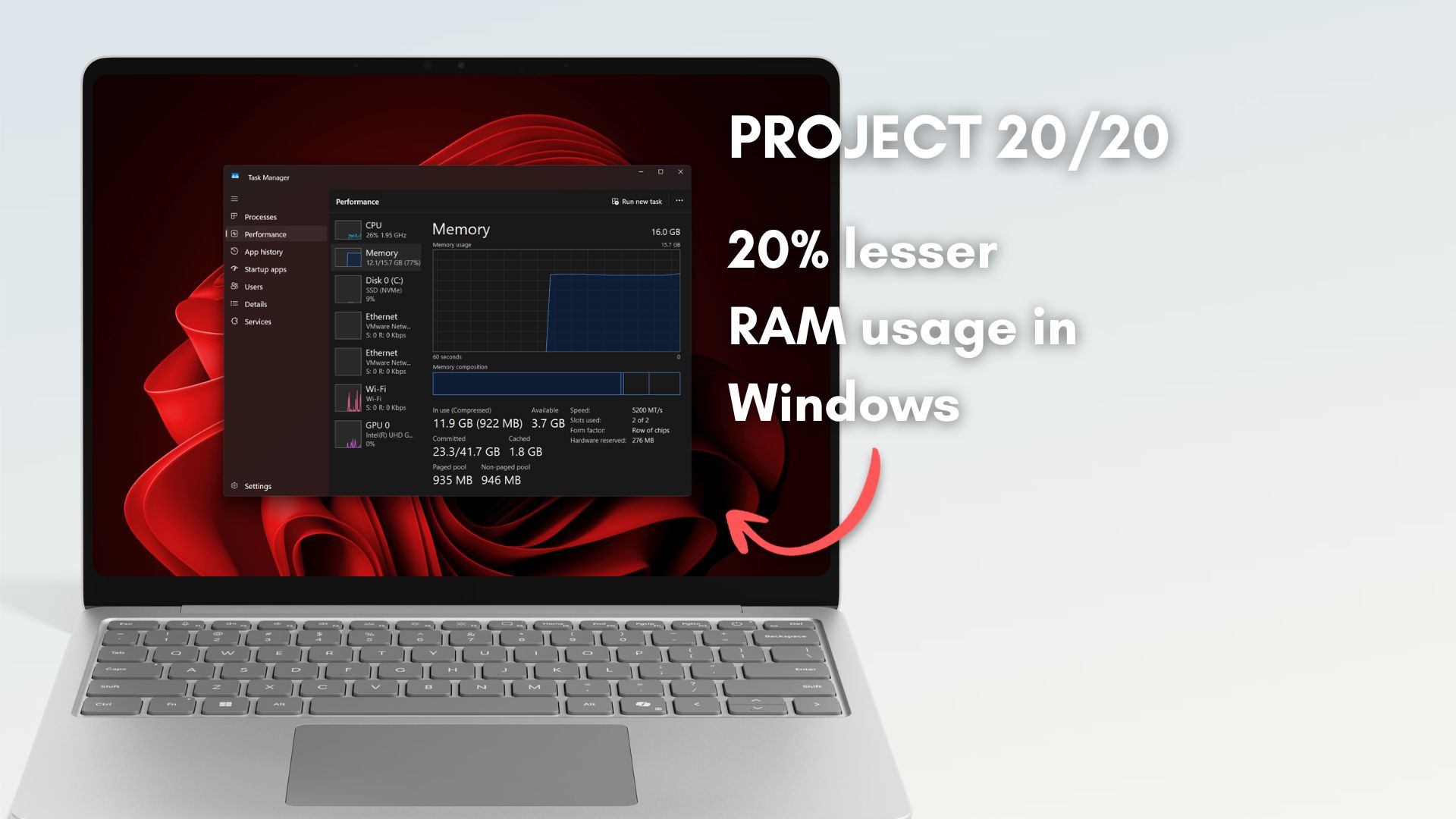
💡Windows slimdown boosts local AI efficiency on standard PCs, key for edge devs
⚡ 30-Second TL;DR
What Changed
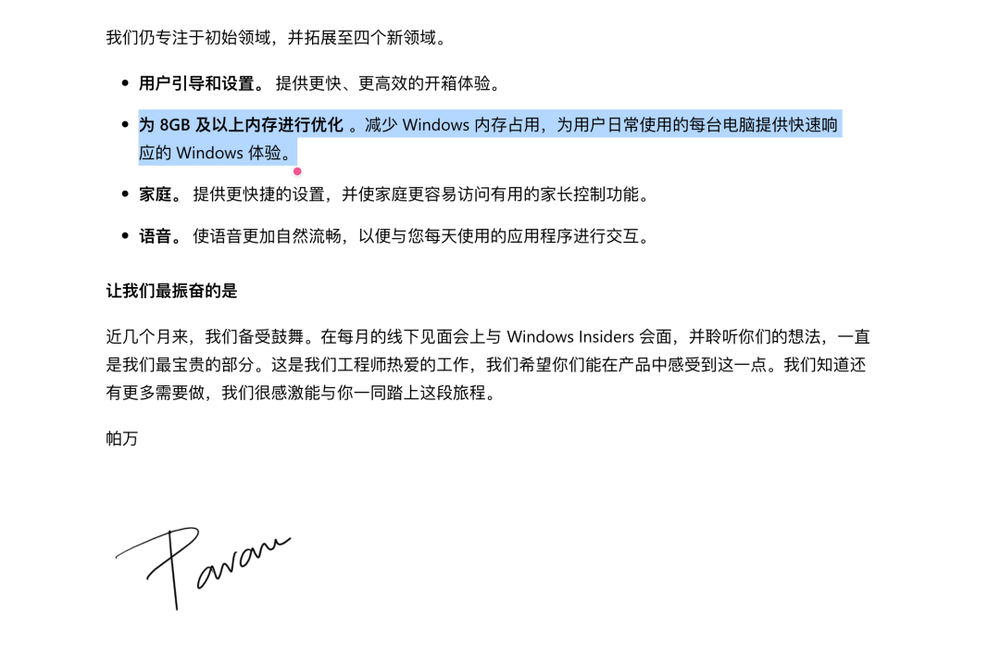
Reviving shelved internal engineering project
Why It Matters
Lower resource use could enable more efficient local AI model training and inference on consumer hardware, reducing reliance on cloud for edge deployments. Benefits developers optimizing for laptops and desktops.
What To Do Next
Benchmark Windows 11 idle memory for your local LLM inference workloads to quantify future gains.
Key Points
- •Reviving shelved internal engineering project
- •Reduce idle-state memory footprint
- •Shrink fresh Windows 11 install disk size
- •2026 target timeline from exec social posts
🧠 Deep Insight
AI-generated analysis for this event — not the original article.
🔑 Enhanced Key Takeaways
- •The initiative, internally codenamed 'Project Slimline,' aims to leverage modular componentization to allow Windows to dynamically load only necessary system services based on hardware capability.
- •Microsoft is targeting a 30% reduction in the 'cold-boot' memory footprint, specifically addressing the overhead caused by legacy Win32 subsystem dependencies that remain active in idle states.
- •The disk space reduction strategy focuses on aggressive deduplication of system files and the implementation of a new 'On-Demand Component' architecture that moves non-essential features to cloud-based or optional local packages.
🛠️ Technical Deep Dive
- •Implementation of a 'Componentized Kernel' approach to isolate core OS functions from legacy compatibility layers.
- •Transitioning from monolithic system images to a granular, package-based installation model similar to Windows Core OS (WCOS) principles.
- •Refactoring the Service Host (svchost.exe) architecture to reduce the number of concurrent processes running in the idle state.
- •Utilization of advanced file system compression algorithms (e.g., enhanced CompactOS) specifically optimized for modern NVMe storage controllers.
🔮 Future ImplicationsAI analysis grounded in cited sources
⏳ Timeline
Weekly AI Recap
Read this week's curated digest of top AI events →
👉Related Updates

AI-curated news aggregator. All content rights belong to original publishers.
Original source: cnBeta (Full RSS) ↗
This is a summary, not the original. Read the source, or get the weekly briefing.
Weekly AI briefing
One email a week. Unsubscribe anytime.