Microsoft-Stellantis AI for Car Owners
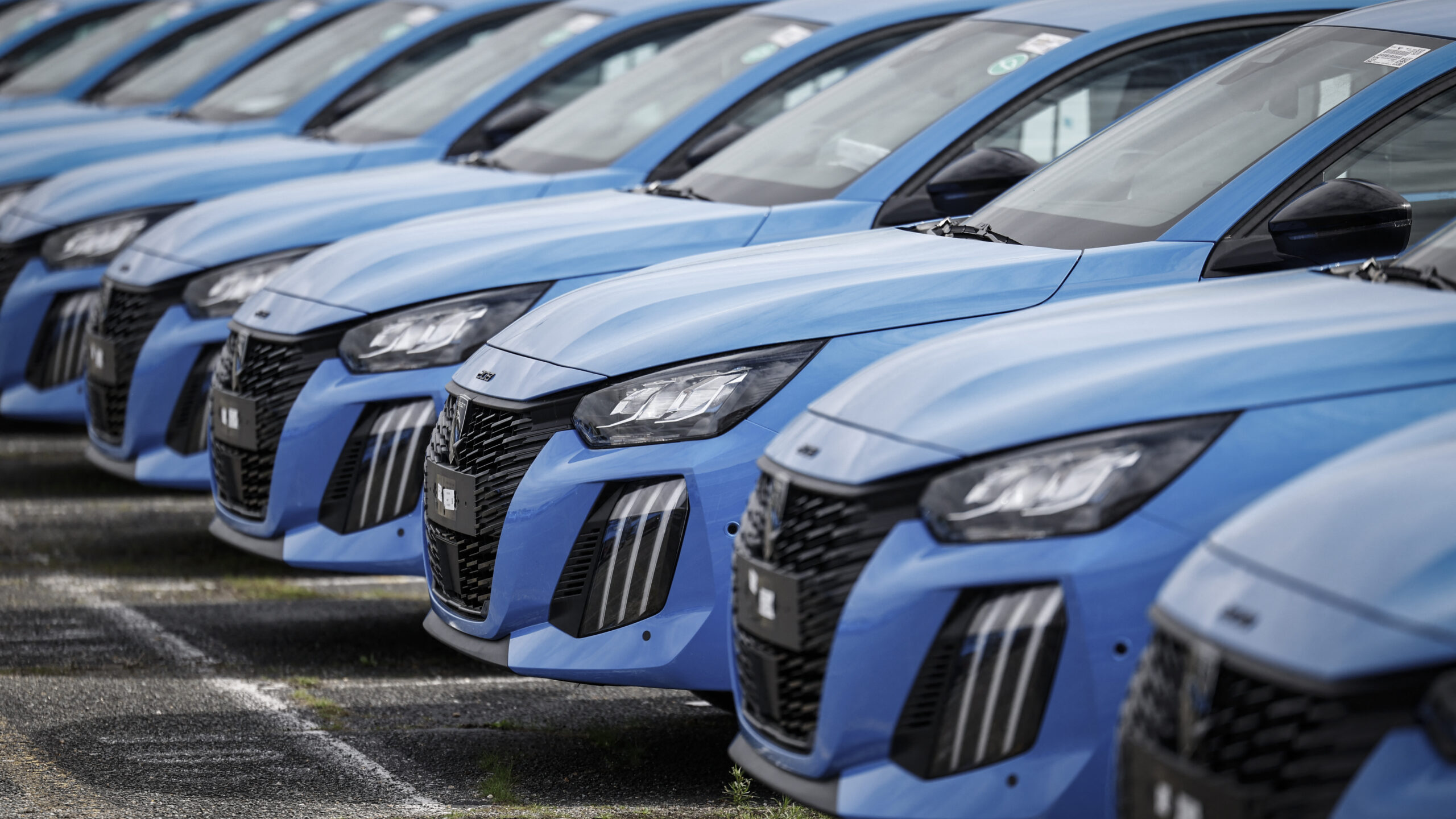
Microsoft teams with Stellantis for AI in Jeep/Peugeot services—auto AI frontier.
30-Second TL;DR
What Changed
Microsoft partners with Stellantis on AI automotive services
Why It Matters
This partnership expands AI into the automotive sector, potentially opening new markets for AI applications in connected vehicles. It signals big tech's growing role in car software.
What To Do Next
Explore Azure AI automotive solutions for potential Stellantis integrations.
Key Points
- •Microsoft partners with Stellantis on AI automotive services
- •AI targets digital services for Jeep, Peugeot brands
- •Focuses on helping car owners with AI enhancements
Deep Insight
AI-generated analysis for this event — not the original article.
Enhanced Key Takeaways
- •The collaboration leverages the Microsoft Connected Vehicle Platform (MCVP) to provide a cloud-based infrastructure for over-the-air (OTA) updates and real-time vehicle diagnostics.
- •Stellantis is utilizing Microsoft's Azure OpenAI Service to power generative AI features, specifically focusing on virtual assistants that provide contextual vehicle maintenance guidance and personalized cabin experiences.
- •This initiative is part of Stellantis's broader 'Dare Forward 2030' strategic plan, which aims to transform the company into a sustainable mobility tech company by integrating software-defined vehicle architectures.
Competitor Analysis
- Microsoft/Stellantis
- Azure / MCVP
- Google Automotive Services (GM/Ford)
- Android Automotive OS
- NVIDIA DRIVE (Mercedes/Jaguar)
- NVIDIA DRIVE Orin/Thor
- Microsoft/Stellantis
- Generative AI / Virtual Assistant
- Google Automotive Services (GM/Ford)
- Native Google Apps / Voice
- NVIDIA DRIVE (Mercedes/Jaguar)
- Autonomous Driving / Cockpit AI
- Microsoft/Stellantis
- Cloud-first / Hybrid
- Google Automotive Services (GM/Ford)
- Deep OS Integration
- NVIDIA DRIVE (Mercedes/Jaguar)
- Hardware-accelerated compute
| Feature | Microsoft/Stellantis | Google Automotive Services (GM/Ford) | NVIDIA DRIVE (Mercedes/Jaguar) |
|---|---|---|---|
| Core Platform | Azure / MCVP | Android Automotive OS | NVIDIA DRIVE Orin/Thor |
| AI Focus | Generative AI / Virtual Assistant | Native Google Apps / Voice | Autonomous Driving / Cockpit AI |
| Integration | Cloud-first / Hybrid | Deep OS Integration | Hardware-accelerated compute |
Technical Deep Dive
- •Architecture utilizes the Microsoft Connected Vehicle Platform (MCVP) as the foundational cloud layer for data ingestion and vehicle-to-cloud communication.
- •Implementation of Azure OpenAI Service allows for Large Language Model (LLM) integration, enabling natural language processing for in-vehicle voice assistants.
- •Deployment of software-defined vehicle (SDV) architecture, allowing for continuous feature updates via OTA (Over-the-Air) mechanisms.
- •Integration with Stellantis's STLA Brain electrical/electronic architecture to facilitate high-speed data processing between vehicle sensors and cloud services.
Future ImplicationsAI analysis grounded in cited sources
Timeline
- 2021-01Stellantis formed through the merger of FCA and PSA Group.
- 2022-01Stellantis announces the 'Dare Forward 2030' strategic plan focusing on software-defined vehicles.
- 2023-01Stellantis and Microsoft expand partnership to accelerate digital transformation and AI integration.
- 2024-06Stellantis begins pilot programs for generative AI-powered virtual assistants in select European markets.
Weekly AI Recap
Read this week's curated digest of top AI events →
Related Updates

AI-curated news aggregator. All content rights belong to original publishers.
Original source: Ars Technica AI ↗
This is a summary, not the original. Read the source, or get the weekly briefing.
The weekly digest
One email a week. Unsubscribe anytime.