Microsoft Shifts Windows 11 Guidance to 8GB
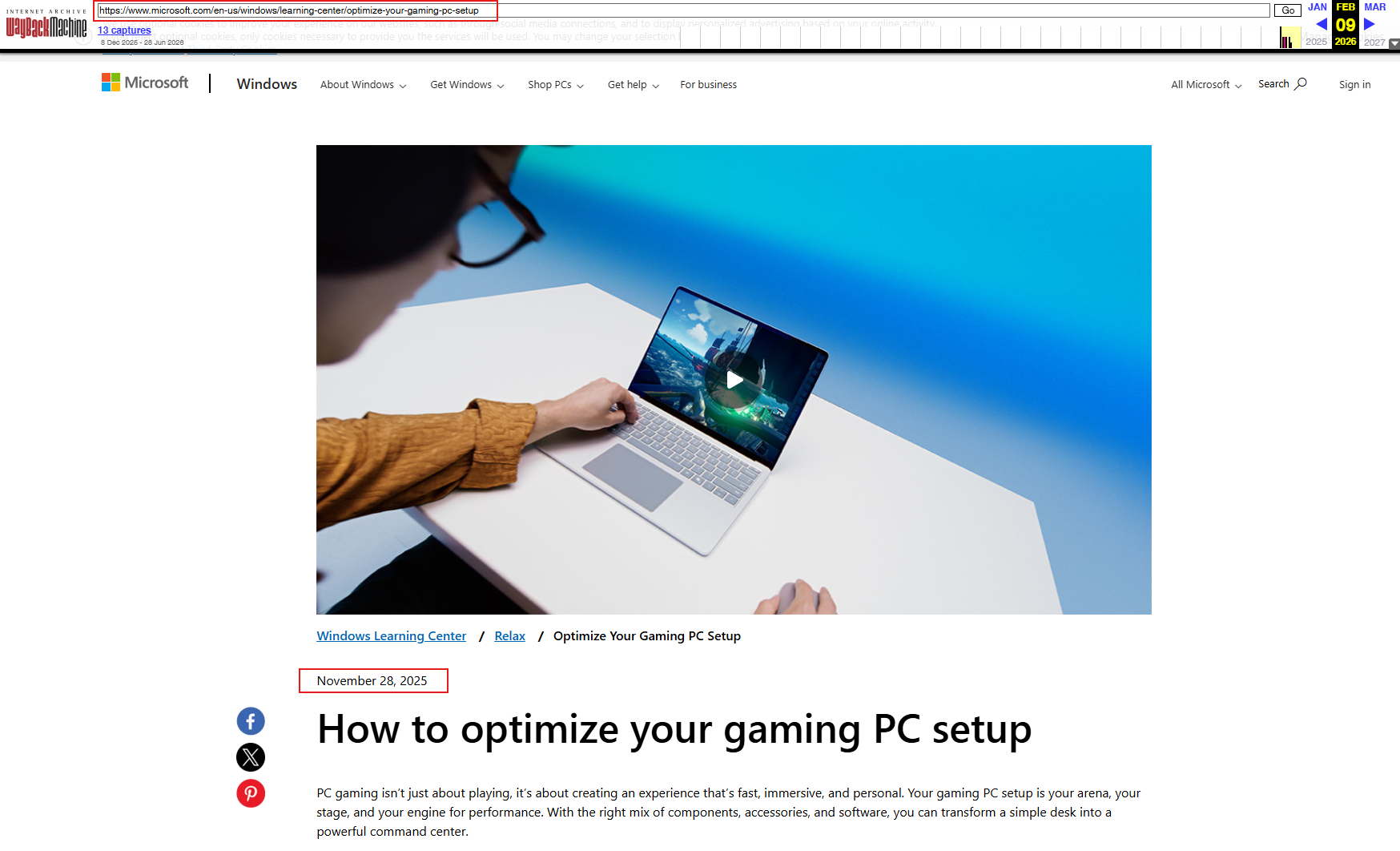
An 8GB Windows baseline could reshape the hardware budget—and expose memory limits for local AI development.
30-Second TL;DR
What Changed
Microsoft removed documentation associated with a 32GB Windows 11 recommendation.
Why It Matters
For AI practitioners using Windows laptops, the move could signal more cost-sensitive hardware configurations, but 8GB systems may create bottlenecks for local models, containers, and large development environments. Teams should evaluate total memory requirements rather than relying on the operating system's baseline recommendation.
What To Do Next
Benchmark your local AI stack—including Docker, IDEs, embeddings, and small language models—on an 8GB Windows 11 machine before standardizing lower-memory developer hardware.
Key Points
- •Microsoft removed documentation associated with a 32GB Windows 11 recommendation.
- •The company is promoting Surface devices configured with 8GB of memory.
- •Rising DRAM prices are increasing pressure on PC component costs.
- •Lower-memory configurations may constrain local AI, multitasking, and developer workloads.
Deep Insight
AI-generated analysis for this event — not the original article.
Enhanced Key Takeaways
- •The shift in guidance aligns with Microsoft's broader 'AI PC' branding strategy, which previously mandated a minimum of 16GB of RAM for Copilot+ PC certification.
- •Industry analysts suggest the 8GB promotion is a tactical response to maintain entry-level price points for Surface devices amid a broader market slump in consumer electronics.
- •Windows 11's memory management has been optimized in recent updates to utilize compressed memory (Z-RAM) more aggressively, allowing 8GB systems to handle workloads that previously required more physical capacity.
- •The removal of the 32GB recommendation is viewed by some hardware partners as a signal to OEMs that they can reduce bill-of-materials (BOM) costs to stimulate demand in the budget segment.
- •Despite the 8GB guidance, Microsoft's own internal telemetry indicates that performance degradation in multitasking scenarios remains significantly higher on 8GB systems compared to 16GB or 32GB configurations.
Competitor Analysis
- Microsoft Surface (8GB)
- Windows 11
- Apple MacBook Air (8GB)
- macOS
- Chromebook Plus (8GB)
- ChromeOS
- Microsoft Surface (8GB)
- Unified/Shared
- Apple MacBook Air (8GB)
- Unified Memory Architecture
- Chromebook Plus (8GB)
- Cloud-Optimized
- Microsoft Surface (8GB)
- Copilot (Limited)
- Apple MacBook Air (8GB)
- Apple Intelligence (Limited)
- Chromebook Plus (8GB)
- Gemini (Cloud-heavy)
- Microsoft Surface (8GB)
- Entry-Level
- Apple MacBook Air (8GB)
- Entry-Level
- Chromebook Plus (8GB)
- Budget/Education
| Feature | Microsoft Surface (8GB) | Apple MacBook Air (8GB) | Chromebook Plus (8GB) |
|---|---|---|---|
| OS | Windows 11 | macOS | ChromeOS |
| Memory Architecture | Unified/Shared | Unified Memory Architecture | Cloud-Optimized |
| AI Capability | Copilot (Limited) | Apple Intelligence (Limited) | Gemini (Cloud-heavy) |
| Price Positioning | Entry-Level | Entry-Level | Budget/Education |
Technical Deep Dive
- Windows 11 utilizes a memory compression algorithm that stores pages in RAM rather than writing them to the page file on the SSD, which is critical for 8GB configurations.
- The 'AI PC' requirement for Copilot+ features typically demands a Neural Processing Unit (NPU) with at least 40 TOPS, which often necessitates higher memory bandwidth, creating a bottleneck for 8GB systems.
- Microsoft's memory management subsystem (Memory Manager) employs 'Working Set Trimming' to aggressively reclaim memory from background processes when physical RAM is constrained.
- Virtual Memory (Pagefile) reliance increases significantly on 8GB systems, leading to higher wear-leveling cycles on NVMe SSDs during heavy multitasking.
Future ImplicationsAI analysis grounded in cited sources
Timeline
- 2021-06Windows 11 announced with a 4GB minimum RAM requirement.
- 2024-05Microsoft introduces Copilot+ PC branding, effectively setting a 16GB RAM standard for AI features.
- 2025-02Microsoft updates documentation to suggest 32GB for optimal performance in professional workflows.
- 2026-07Microsoft removes 32GB recommendation and pivots marketing toward 8GB Surface configurations.
Weekly AI Recap
Read this week's curated digest of top AI events →
Related Updates


AI-curated news aggregator. All content rights belong to original publishers.
Original source: cnBeta (Full RSS) ↗
This is a summary, not the original. Read the source, or get the weekly briefing.
The weekly digest
One email a week. Unsubscribe anytime.