Microsoft Reflects on Windows 11 AI Pushback
💡MS admits Windows AI bloat issues—lessons for integrating LLMs into apps/OS
⚡ 30-Second TL;DR
What Changed
Windows 11 reaches 75% market share but poor user reputation.
Why It Matters
Highlights risks of rushed AI integration in OS, urging better UX focus. May slow Microsoft's AI PC ambitions amid competition.
What To Do Next
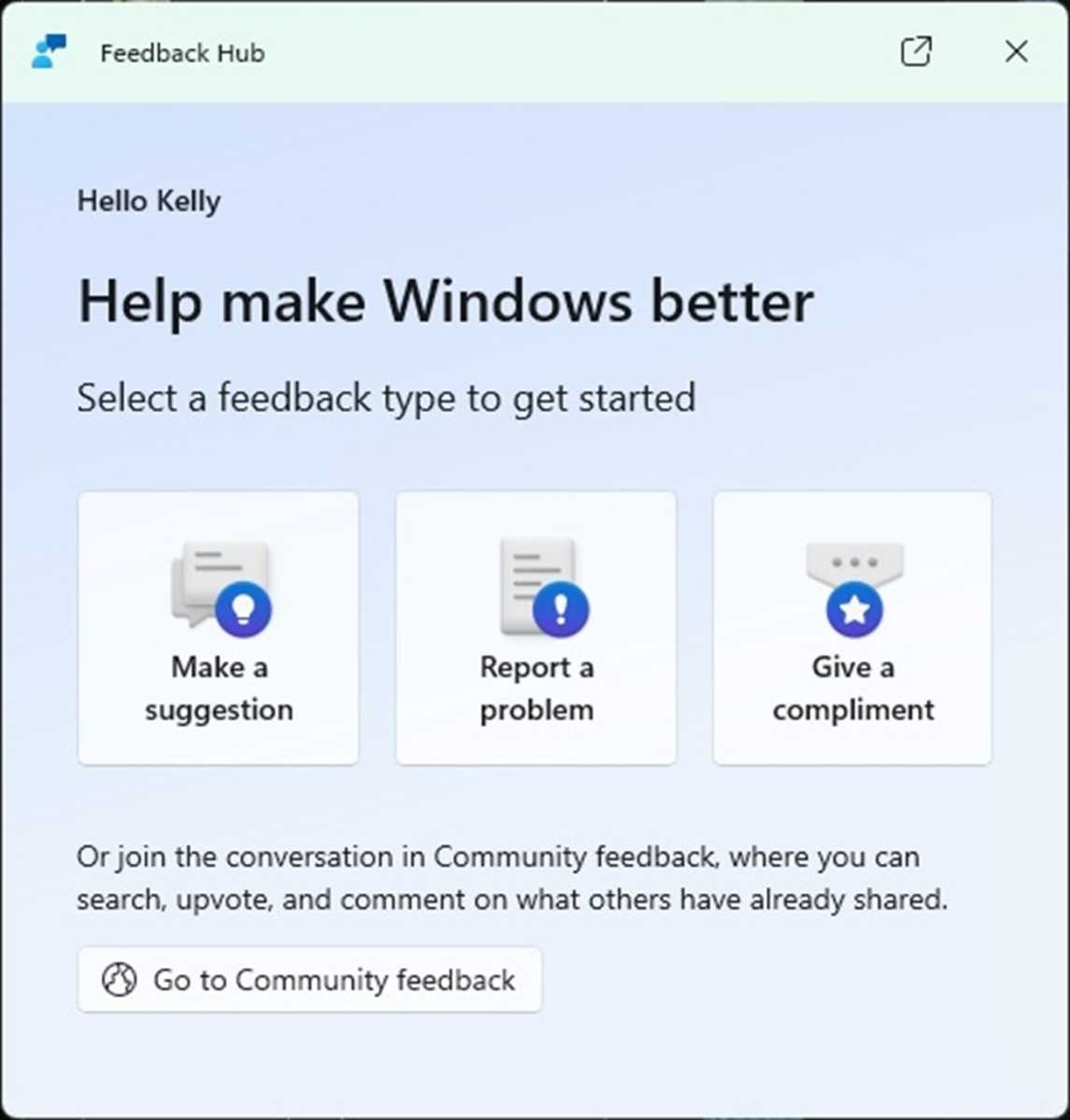
Test Copilot+ features in latest Windows 11 Insider build and report bugs via Feedback Hub.
Key Points
- •Windows 11 reaches 75% market share but poor user reputation.
- •January update bugs worsened perception.
- •Forced AI features criticized as poorly integrated and KPI-driven.
- •Microsoft seeks user feedback on mistakes.
🧠 Deep Insight
AI-generated analysis for this event — not the original article.
🔑 Enhanced Key Takeaways
- •The January 2026 update, identified as KB5034765, caused widespread kernel-level conflicts with third-party security software, leading to the reported system instability.
- •Internal Microsoft telemetry reports leaked in February 2026 indicate that 'AI-first' features like the 'Recall' evolution were consuming up to 15% of background CPU cycles, contributing to the performance degradation users experienced.
- •Microsoft has initiated a 'Windows Feedback Loop' program specifically targeting enterprise IT administrators to decouple AI-driven telemetry from core OS kernel functions in upcoming builds.
📊 Competitor Analysis▸ Show
| Feature | Windows 11 (2026) | macOS Sequoia (16.x) | ChromeOS (AI-Integrated) |
|---|---|---|---|
| AI Integration | Deeply embedded, kernel-level | Modular, privacy-focused | Cloud-centric, lightweight |
| Pricing | Free upgrade (OEM/Retail) | Free (Hardware-locked) | Free (Hardware-locked) |
| Performance Impact | High (Variable) | Low (Optimized) | Minimal (Cloud-offloaded) |
🛠️ Technical Deep Dive
- •The 'Recall' feature utilizes a local vector database (based on SQLite with vector extensions) to index user activity, which caused I/O bottlenecks during the January update.
- •AI features are implemented via the 'Windows Copilot Runtime,' a set of WinRT APIs that interface with the NPU (Neural Processing Unit) via the DirectML driver stack.
- •The January update introduced a regression in the 'Windows AI Platform' service, causing it to enter an infinite loop when attempting to poll the NPU for task scheduling, leading to the observed system hangs.
🔮 Future ImplicationsAI analysis grounded in cited sources
⏳ Timeline
Weekly AI Recap
Read this week's curated digest of top AI events →
👉Related Updates
AI-curated news aggregator. All content rights belong to original publishers.
Original source: cnBeta (Full RSS) ↗
This is a summary, not the original. Read the source, or get the weekly briefing.
The weekly digest
One email a week. Unsubscribe anytime.