Microsoft gaming division faces internal crisis and strategic shifts
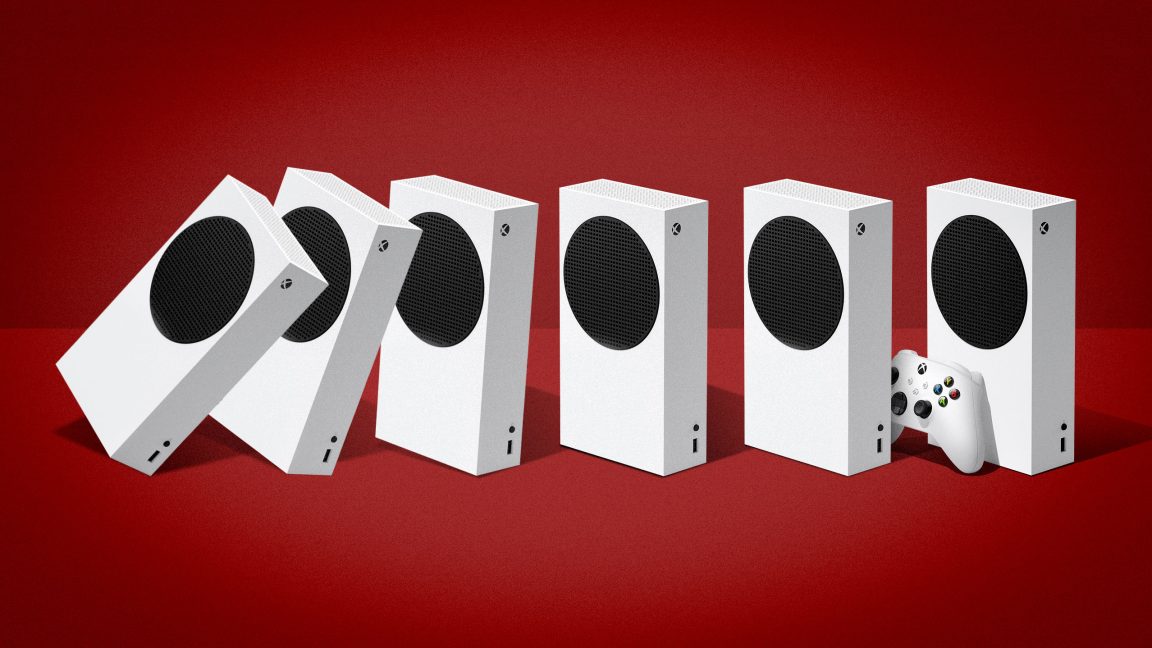
💡Understand how Microsoft's strategic pivot in gaming could reshape their cloud and AI infrastructure priorities.
⚡ 30-Second TL;DR
What Changed
Xbox leadership acknowledges the need for significant structural changes
Why It Matters
This shift suggests a potential pivot in Microsoft's platform-agnostic strategy, which may influence how they integrate AI-driven cloud gaming and cross-platform services.
What To Do Next
Monitor Microsoft's upcoming developer documentation for changes in Azure PlayFab or cloud-gaming integration APIs.
Key Points
- •Xbox leadership acknowledges the need for significant structural changes
- •The brand is struggling with market stagnation and identity issues
- •Microsoft is re-evaluating its long-term gaming strategy to remain competitive
🧠 Deep Insight
Background and context from public sources — not the original article. 28 sources cited.
🔑 Enhanced Key Takeaways
- •Xbox is undergoing a significant leadership change, with Phil Spencer retiring in February 2026 and Asha Sharma, formerly of Microsoft's CoreAI product, taking over as CEO. The company is also reverting its branding from 'Microsoft Gaming' back to 'Xbox' to re-establish its core identity.
- •Following a period of releasing first-party titles on rival platforms in 2024-2025, Xbox is reversing its multiplatform strategy for new major games like 'Gears of War: E-Day' and 'Clockwork Revolution,' making them Xbox console exclusives to drive hardware sales and reinforce brand loyalty.
- •The gaming division reported a 7% year-over-year decrease in overall gaming revenue and a substantial 33% drop in hardware revenue for Q3 FY26 (January-March 2026), leading to plans for significant layoffs and budget cuts in marketing and other areas to address declining profitability.
- •The new strategic direction emphasizes 'affordability, personalization, and openness,' focusing on flexible pricing models, subscription-first access, and customizable experiences to make gaming more accessible across various devices.
- •Despite hardware sales struggles, Xbox views the rising costs of console components as a 'great opportunity' for its cloud gaming services, noting increased usage of Xbox Cloud Gaming as a key part of its diversified strategy.
📊 Competitor Analysis▸ Show
A Markdown table comparing this with competitors (Feature/Pricing/Benchmarks). Return null if not applicable (e.g. op-ed, interview, single-product announcement with no clear competitors).
🛠️ Technical Deep Dive
- Next-Generation Console (Project Helix): Xbox is developing 'Project Helix,' a next-gen console designed to support both Xbox and PC games, with development kits expected to reach studios in 2027.
- Cloud Gaming Infrastructure: Xbox Cloud Gaming received backend infrastructure upgrades around November 2025, enabling streaming of certain games at 1440p resolution and 60 frames per second, significantly improving visual quality and performance.
- Platform Rebuilding: Xbox leadership has acknowledged that its current platform infrastructure hinders its ability to innovate quickly and plans to 'evolve and rebuild' its technology stack across hardware, PC, mobile, and streaming.
🔮 Future ImplicationsAI analysis grounded in cited sources
⏳ Timeline
📎 Sources (28)
Factual claims are grounded in the sources below. Forward-looking analysis is AI-generated interpretation.
- g2a.com
- gamesindustry.biz
- kavout.com
- wikipedia.org
- tweaktown.com
- techtimes.com
- geekwire.com
- gamedeveloper.com
- kotaku.com
- vgchartz.com
- trueachievements.com
- techspot.com
- gamesindustry.biz
- newgamenetwork.com
- thurrott.com
- ign.com
- outlookindia.com
- techpowerup.com
- gamesindustry.biz
- windowscentral.com
- kinja.com
- intellectia.ai
- fandom.com
- ign.com
- wikipedia.org
- wikipedia.org
- gamedeveloper.com
- purexbox.com
Weekly AI Recap
Read this week's curated digest of top AI events →
👉Related Updates
AI-curated news aggregator. All content rights belong to original publishers.
Original source: Ars Technica ↗
This is a summary, not the original. Read the source, or get the weekly briefing.
The weekly digest
One email a week. Unsubscribe anytime.