Microsoft extends Windows 10 support for another year
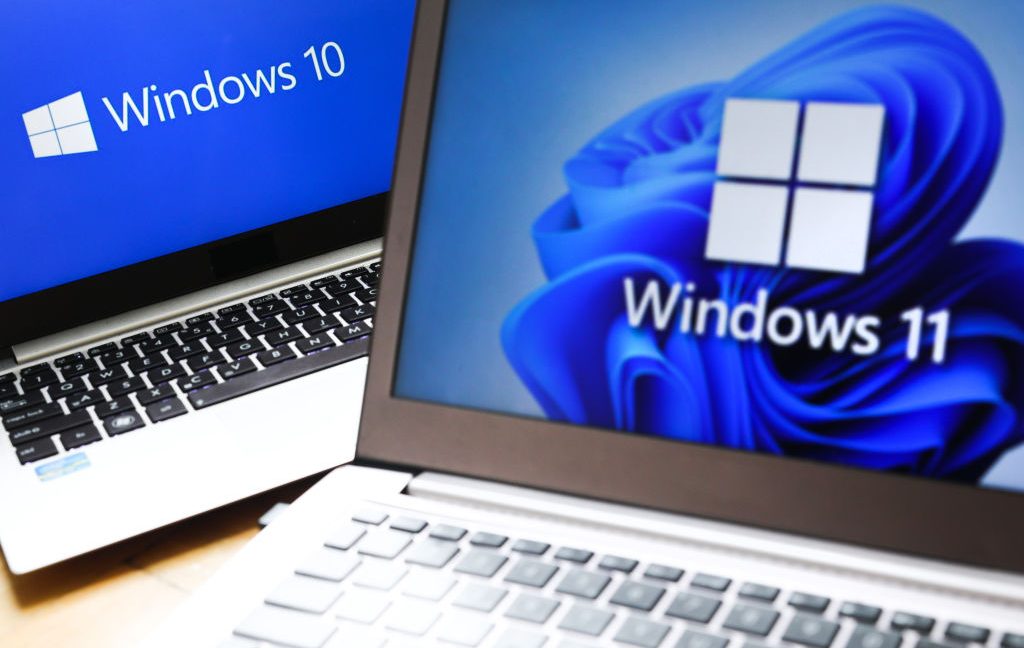
Understand the OS landscape for your AI software deployment as 25% of PCs remain on legacy Windows.
30-Second TL;DR
What Changed
Windows 10 extended support program extended by 12 months
Why It Matters
This extension provides more breathing room for enterprises to manage their AI-ready hardware transition. It prevents potential security gaps for organizations unable to upgrade to Windows 11 immediately.
What To Do Next
Audit your fleet's OS distribution to determine if your AI deployment pipelines require Windows 10 compatibility for the next 12 months.
Key Points
- •Windows 10 extended support program extended by 12 months
- •Approximately 25% of global PC market remains on Windows 10
- •Reflects ongoing challenges in enterprise OS migration
Deep Insight
AI-generated analysis for this event — not the original article.
Enhanced Key Takeaways
- •The Extended Security Update (ESU) program is now available to both enterprise and consumer users, marking a shift from Microsoft's traditional enterprise-only ESU model.
- •Pricing for the additional year of support follows a tiered structure, with costs doubling annually for those who remain on the platform longer.
- •Hardware compatibility requirements for Windows 11, specifically the TPM 2.0 and CPU generation restrictions, remain the primary driver for the persistent Windows 10 market share.
- •Microsoft is positioning this extension as a bridge to allow organizations to complete their transition to cloud-managed endpoints or newer hardware cycles.
- •The extension coincides with Microsoft's broader strategy to maintain security parity across its ecosystem while managing the significant carbon footprint associated with mass hardware disposal.
Competitor Analysis
- Windows 10 (Extended)
- Paid ESU
- macOS (Legacy Support)
- ~3 Years (N-2)
- Linux (LTS Distros)
- 5-10 Years (Varies)
- Windows 10 (Extended)
- Subscription-based
- macOS (Legacy Support)
- Free
- Linux (LTS Distros)
- Free (Open Source)
- Windows 10 (Extended)
- Strict (TPM 2.0)
- macOS (Legacy Support)
- Apple Silicon/T2
- Linux (LTS Distros)
- Minimal/Hardware Agnostic
| Feature | Windows 10 (Extended) | macOS (Legacy Support) | Linux (LTS Distros) |
|---|---|---|---|
| Support Model | Paid ESU | ~3 Years (N-2) | 5-10 Years (Varies) |
| Pricing | Subscription-based | Free | Free (Open Source) |
| Hardware Lock | Strict (TPM 2.0) | Apple Silicon/T2 | Minimal/Hardware Agnostic |
Technical Deep Dive
- The ESU program delivers critical and important security updates via the standard Windows Update infrastructure, ensuring compatibility with existing WSUS and MECM deployments.
- Updates are delivered as cumulative packages that do not include new features, UI changes, or performance optimizations to maintain system stability.
- Systems enrolled in the program must be running Windows 10 version 22H2 to receive the extended security patches.
- Authentication for ESU eligibility is handled through Azure Arc-enabled servers or local provisioning packages for offline environments.
Future ImplicationsAI analysis grounded in cited sources
Timeline
- 2015-07Windows 10 is officially released to the public.
- 2021-10Windows 11 is released, introducing stricter hardware requirements.
- 2023-11Microsoft announces the first paid Extended Security Update program for Windows 10.
- 2025-10Original end-of-support date for Windows 10 consumer and enterprise editions.
- 2026-06Microsoft announces the one-year extension of the Windows 10 ESU program.
Event Coverage
Weekly AI Recap
Read this week's curated digest of top AI events →
AI-curated news aggregator. All content rights belong to original publishers.
Original source: Ars Technica ↗
This is a summary, not the original. Read the source, or get the weekly briefing.
The weekly digest
One email a week. Unsubscribe anytime.