Microsoft: Don't Always Blame Windows Updates
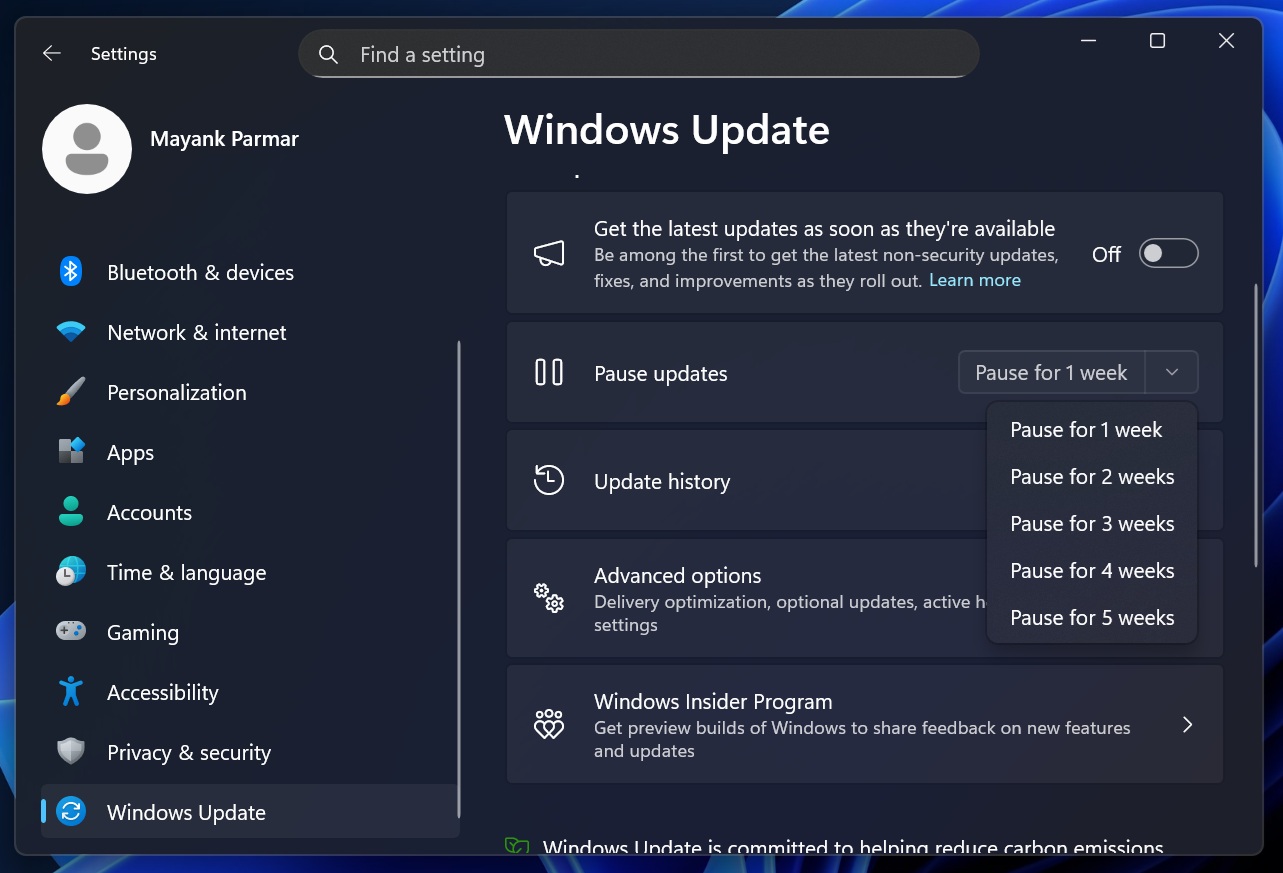
💡Windows pitfalls trip up AI devs—learn to debug restarts properly
⚡ 30-Second TL;DR
What Changed
Raymond Chen, senior Windows engineer, calls out habit of blaming updates
Why It Matters
Promotes better root-cause analysis in IT environments, reducing misguided update rollbacks that could affect production systems.
What To Do Next
Audit pre-update logs in your Windows-based AI dev machines before patching to identify latent issues.
Key Points
- •Raymond Chen, senior Windows engineer, calls out habit of blaming updates
- •Issues often pre-existing and exposed by mandatory restarts after updates
- •Applies to users and enterprise IT teams facing system faults
🧠 Deep Insight
AI-generated analysis for this event — not the original article.
🔑 Enhanced Key Takeaways
- •Raymond Chen's commentary often originates from his long-running 'The Old New Thing' blog, which serves as a primary repository for Windows architectural history and internal engineering philosophy.
- •The phenomenon described is technically categorized as 'reboot-induced failure,' where the system state change during a restart exposes latent corruption in drivers, third-party services, or hardware configurations that were previously dormant.
- •Microsoft's telemetry data indicates that a significant percentage of 'update-related' support tickets are closed as 'no fault found' or attributed to non-Microsoft software, highlighting a persistent disconnect between user perception and actual root cause analysis.
🛠️ Technical Deep Dive
• Windows Update process triggers a 'Restart Manager' session that shuts down applications and services to apply patches, which can reveal race conditions in poorly written third-party drivers. • Latent system corruption, such as file system errors (NTFS) or registry hive inconsistencies, often remains undetected until the system performs a clean boot cycle required by the update process. • The 'Windows Update' service relies on the Component-Based Servicing (CBS) engine, which performs integrity checks; if these checks fail, the update is rolled back, yet users often conflate the rollback process with the system instability that necessitated the rollback.
🔮 Future ImplicationsAI analysis grounded in cited sources
⏳ Timeline
Weekly AI Recap
Read this week's curated digest of top AI events →
👉Related Updates


AI-curated news aggregator. All content rights belong to original publishers.
Original source: cnBeta (Full RSS) ↗
This is a summary, not the original. Read the source, or get the weekly briefing.
Weekly AI briefing
One email a week. Unsubscribe anytime.