metaLead develops peptide tech for pathological metal removal
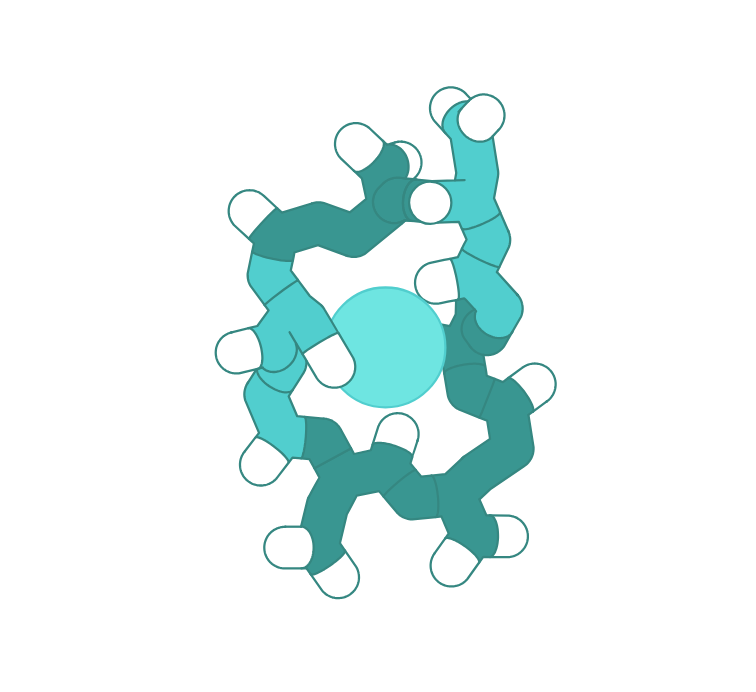
💡Learn how precision peptide engineering is evolving with AI-driven molecular modeling.
⚡ 30-Second TL;DR
What Changed
High selectivity for pathological metal removal
Why It Matters
Advanced biochemical targeting could eventually influence AI-driven drug discovery and protein design workflows.
What To Do Next
Explore protein design models like AlphaFold 3 to simulate how peptide structures interact with specific metal ions.
Key Points
- •High selectivity for pathological metal removal
- •Overcomes limitations of traditional chelating agents
- •Recognized as a top 100 Swiss innovation
🧠 Deep Insight
AI-generated analysis for this event — not the original article.
🔑 Enhanced Key Takeaways
- •metaLead's technology is specifically designed to address metal-related diseases such as Wilson's disease, where copper accumulation causes severe neurological and hepatic damage.
- •The company utilizes a proprietary platform to engineer peptides that mimic natural metal-binding proteins, allowing for precise coordination chemistry within the bloodstream.
- •Unlike traditional small-molecule chelators like D-penicillamine or trientine, metaLead's peptide-based approach aims to minimize systemic toxicity and off-target binding of essential minerals like zinc or iron.
- •The startup originated as a spin-off from the University of Zurich, leveraging academic research in chemical biology and peptide engineering.
- •metaLead has secured early-stage funding and support from Swiss innovation ecosystems, including Innosuisse, to accelerate the preclinical development of their lead candidates.
📊 Competitor Analysis▸ Show
| Competitor | Feature | Pricing | Benchmarks |
|---|---|---|---|
| Syprine (Trientine) | Small molecule chelator | Generic/Variable | Standard of care; high side-effect profile |
| Cuprimine (D-Penicillamine) | Small molecule chelator | Generic/Variable | High toxicity; frequent patient discontinuation |
| Wilson Therapeutics (Alexion) | Copper-binding agents | N/A | Established clinical efficacy in Wilson's disease |
🛠️ Technical Deep Dive
- Platform utilizes modular peptide design to tune binding affinity for specific metal ions (e.g., Cu2+).
- Employs structure-activity relationship (SAR) modeling to optimize peptide stability against proteolytic degradation in vivo.
- Mechanism involves high-affinity sequestration of free metal ions, facilitating renal excretion without disrupting metal-dependent enzymatic processes.
- Peptide scaffolds are engineered for low immunogenicity to support chronic administration protocols.
🔮 Future ImplicationsAI analysis grounded in cited sources
⏳ Timeline
Weekly AI Recap
Read this week's curated digest of top AI events →
👉Related Updates


AI-curated news aggregator. All content rights belong to original publishers.
Original source: 钛媒体 ↗
This is a summary, not the original. Read the source, or get the weekly briefing.
Weekly AI briefing
One email a week. Unsubscribe anytime.