Meta introduces selfie-based verification to combat AI scammers
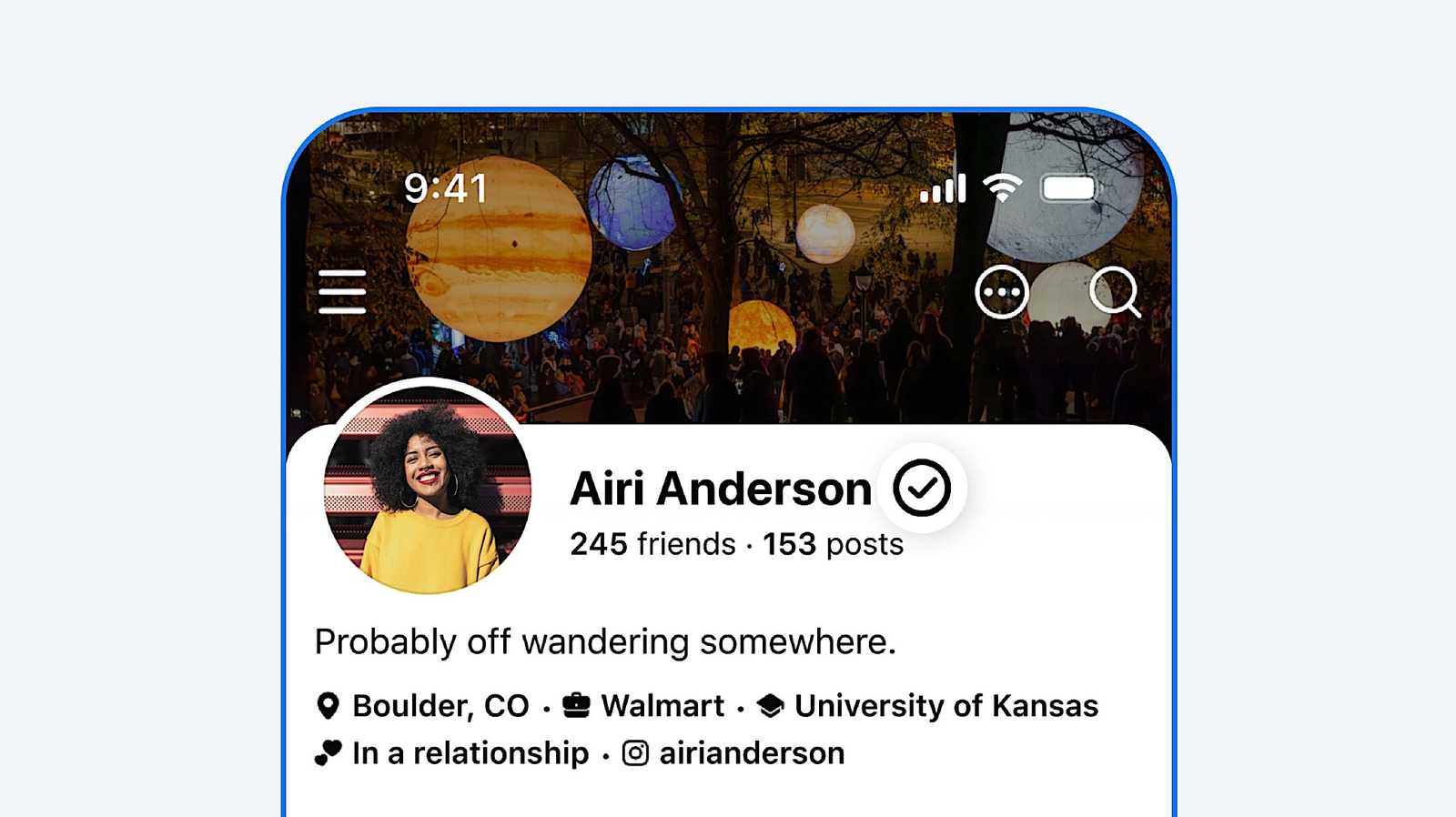
💡See how Meta is using biometrics to fight AI-generated impersonation attacks.
⚡ 30-Second TL;DR
What Changed
New verification badge requires real-time user selfies
Why It Matters
This highlights the increasing necessity of biometric verification as generative AI makes traditional text or image-based identity checks obsolete.
What To Do Next
If you are developing identity verification systems, research liveness detection libraries to mitigate AI-driven spoofing.
Key Points
- •New verification badge requires real-time user selfies
- •Specifically targets scammers using generative AI for impersonation
- •Aims to restore trust in user identity verification on Facebook
🧠 Deep Insight
AI-generated analysis for this event — not the original article.
🔑 Enhanced Key Takeaways
- •The system utilizes liveness detection technology to distinguish between a live human subject and high-resolution AI-generated deepfakes or static images.
- •Meta is integrating this selfie-verification process with its existing 'Meta Verified' subscription service to add an extra layer of security for paying users.
- •The initiative includes a 'Video Selfie' requirement where users must perform specific head movements to prevent replay attacks using pre-recorded media.
- •Data privacy protocols ensure that the biometric templates generated from the selfies are encrypted and deleted from Meta's servers after the verification process is complete.
- •This feature is being rolled out in phases, starting with high-risk regions where AI-driven impersonation scams have seen the highest reported growth rates.
📊 Competitor Analysis▸ Show
| Feature | Meta (Selfie Verification) | LinkedIn (ID Verification) | X (ID Verification) |
|---|---|---|---|
| Primary Method | Liveness Detection/Selfie | Third-party (Persona/Clear) | Third-party (Au10tix) |
| Pricing | Included in Meta Verified | Free (Standard) | Included in X Premium |
| Focus | Anti-Deepfake/Impersonation | Professional Credibility | Account Authenticity |
🛠️ Technical Deep Dive
- Employs a proprietary liveness detection model trained on diverse datasets to detect synthetic artifacts common in generative AI outputs.
- Uses facial geometry mapping to compare the live selfie against the profile picture and previously uploaded government IDs.
- Implements edge-side processing for initial liveness checks to reduce latency and minimize the transmission of raw biometric data.
- Utilizes cryptographic signing of the verification badge to prevent tampering or unauthorized replication of the status.
🔮 Future ImplicationsAI analysis grounded in cited sources
⏳ Timeline
Weekly AI Recap
Read this week's curated digest of top AI events →
👉Related Updates
AI-curated news aggregator. All content rights belong to original publishers.
Original source: Engadget ↗
This is a summary, not the original. Read the source, or get the weekly briefing.
The weekly digest
One email a week. Unsubscribe anytime.